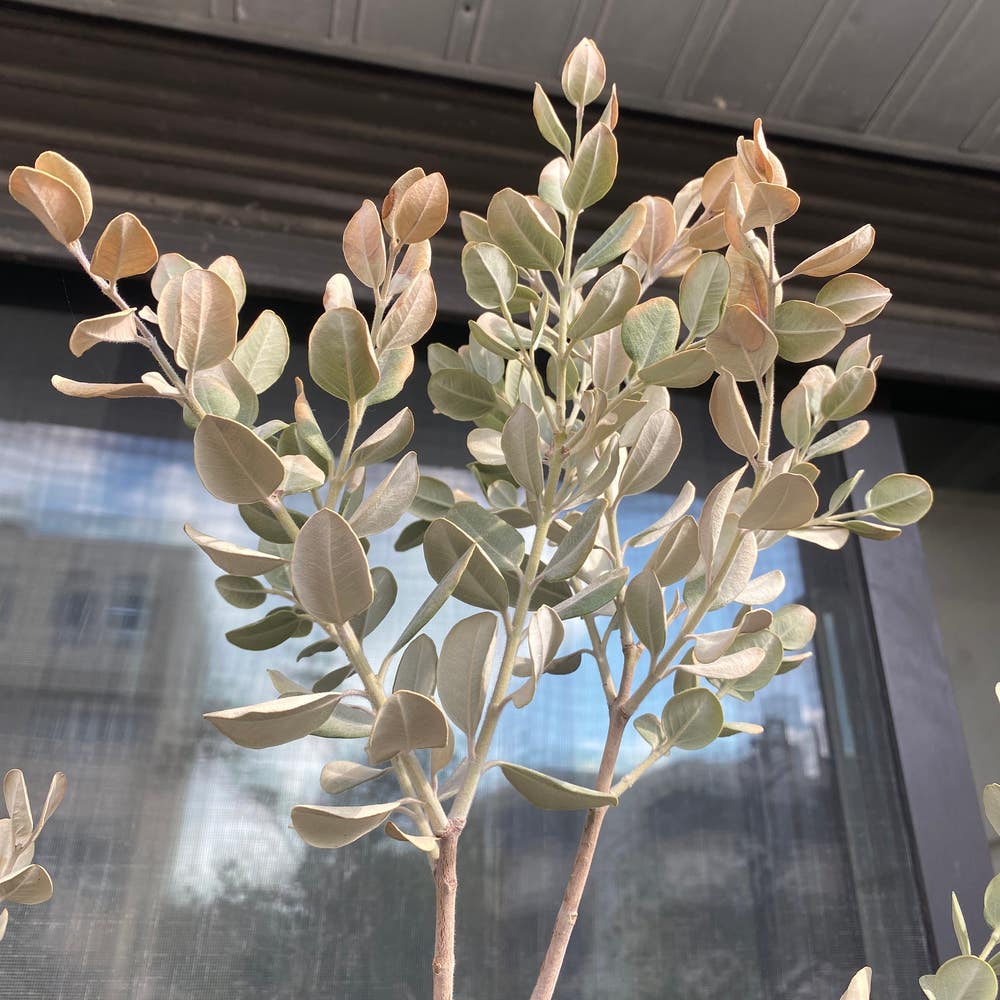
7 Tips for Blooming Your Metrosideros 🌸
Metrosideros subtomentosa
By the Greg Editorial Team
Nov 08, 2024•5 min read
This article was created with the help of AI so we can cover more plants for you. May contain errors. See one? Report it here.
Unlock the secret to vibrant Metrosideros blooms 🌸 and transform your garden into a stunning floral paradise!
- 🌺 Metrosideros flowers bloom in vibrant colors, primarily red, orange, yellow, or white.
- 🌞 Ensure at least six hours of sunlight daily for optimal blooming success.
- 🌿 Regular pruning and pest management are essential for healthy growth and future blooms.
Flower Characteristics
Description of Colors and Structure 🌈
Metrosideros flowers are a vibrant spectacle, predominantly showcasing red or orange hues. Some varieties surprise with delicate yellow or white blooms, adding diversity to their striking appearance.
These flowers are arranged in dense spikes, creating a visually captivating display. The numerous stamens contribute to a fluffy look, making them a favorite among garden enthusiasts.
Self-Pollination vs. External Pollination 🐝
When it comes to pollination, Metrosideros plants typically require external pollination. While some species can self-pollinate, they thrive best with the help of pollinators.
Bees and other insects play a crucial role in this process, transferring pollen and ensuring healthy flower production. Their activity not only supports the plant's reproduction but also enhances the overall ecosystem.
Blooming Process
Stages and Timing 🌸
The blooming process of Metrosideros unfolds in distinct stages. It begins with bud formation, progresses to the opening of flowers, and culminates in full bloom.
Typically, this vibrant display occurs during the summer months in its native habitat. From the initial bud formation to full bloom, you can expect a duration of about 4 to 6 weeks.
Lifespan of Flowers 🌼
Once fully opened, Metrosideros flowers usually last for about 1 to 2 weeks. However, their lifespan can be influenced by various environmental conditions, such as temperature and humidity.
Understanding these factors can help you anticipate the beauty of your blooms and plan for their care. With the right conditions, you can enjoy a stunning floral display that brightens your garden.
As you nurture your Metrosideros, keep in mind the importance of post-blooming care to maintain plant health. This will set the stage for the next section, where we’ll explore how to encourage even more blooms.
Encouraging Blooms
Tips for Promoting Flowering 🌸
To encourage your Metrosideros to bloom beautifully, start with optimal conditions. These plants thrive in full sunlight, so ensure they receive at least six hours of direct light each day.
Soil type is crucial as well; well-draining, sandy loam is ideal. Regular watering is essential, but avoid waterlogging. Aim for consistent moisture, especially during the blooming season.
Fertilization plays a significant role in promoting flowering. Use a balanced fertilizer, rich in phosphorus, to support bloom development. Apply it every 4-6 weeks during the growing season for best results.
Influencing Factors 🌦️
Environmental factors can significantly impact blooming. Temperature fluctuations, humidity levels, and seasonal changes all play a part in how well your Metrosideros flowers.
Maintaining plant health is equally important. Regular pruning helps shape the plant and encourages new growth, while effective pest management prevents infestations that could hinder blooming.
By creating the right environment and caring for your plant, you can enjoy a vibrant display of flowers year after year.
Next, let’s explore what happens to your Metrosideros after it blooms and how to care for it during this phase.
Post-Flowering Care
🌼 Plant Behavior After Blooming
After the vibrant blooms of the Metrosideros fade, the plant enters a new phase. You might notice leaf drop, which is a natural response, as well as seed formation or a shift towards vegetative growth.
Post-flowering care is crucial for maintaining the health of your plant. Proper attention during this period ensures that it remains robust and ready for the next blooming cycle.
🔄 Life Cycle Clarification
It's a common misconception that Metrosideros dies after flowering. In reality, this resilient plant continues to thrive, producing new growth and preparing for future blooms.
Understanding this aspect of its life cycle can help you appreciate the ongoing beauty and vitality of your Metrosideros. With the right care, it can flourish for many seasons to come.
Unique Aspects
🌟 Unusual Characteristics
Metrosideros species are fascinating for their unique adaptations that enhance flowering. Many varieties have evolved to thrive in challenging environments, developing thick, waxy leaves that minimize water loss and maximize sunlight absorption.
These adaptations allow them to produce vibrant blooms even in less-than-ideal conditions. For example, some species can tolerate poor soil and drought, making them resilient and reliable bloomers.
🌈 Variations Among Species
Different Metrosideros species exhibit distinct flowering habits. While some bloom profusely with bright red or orange flowers, others may surprise you with softer hues like yellow or white.
This diversity not only adds visual interest but also reflects the unique ecological niches each species occupies. Understanding these variations can help you choose the right type for your garden or landscape.
🤓 Trivia About Reproductive Strategy
Did you know that Metrosideros can reproduce vegetatively through root suckers? This means they can spread and establish new plants without the need for flowering, making them incredibly adaptable.
This strategy allows them to thrive in various environments, ensuring their survival and expansion. Additionally, in many native regions, Metrosideros flowers hold cultural significance, symbolizing resilience and beauty.
Their vibrant blooms are often celebrated in local traditions, showcasing the deep connection between these plants and the communities that cherish them. Embracing this knowledge can deepen your appreciation for these remarkable plants and their role in the ecosystem.
⚠️ Safety First
This content is for general information and may contain errors, omissions, or outdated details. It is not medical, veterinary advice, or an endorsement of therapeutic claims.
Always consult a qualified healthcare professional before using any plant as food, medicine, or supplement.
Never eat any plant (or feed one to pets) without confirming its identity with at least two trusted sources.
If you suspect poisoning, call Poison Control (800) 222-1222, the Pet Poison Helpline (800) 213-6680, or your local emergency service immediately.
Spotted an error? Please report it here.
Enjoy vibrant Metrosideros blooms 🌼 year after year with Greg's personalized care tips and reminders that ensure your plant gets the sunlight and nutrients it craves!