🌍 3 Tips for Choosing Soil for Your Metrosideros
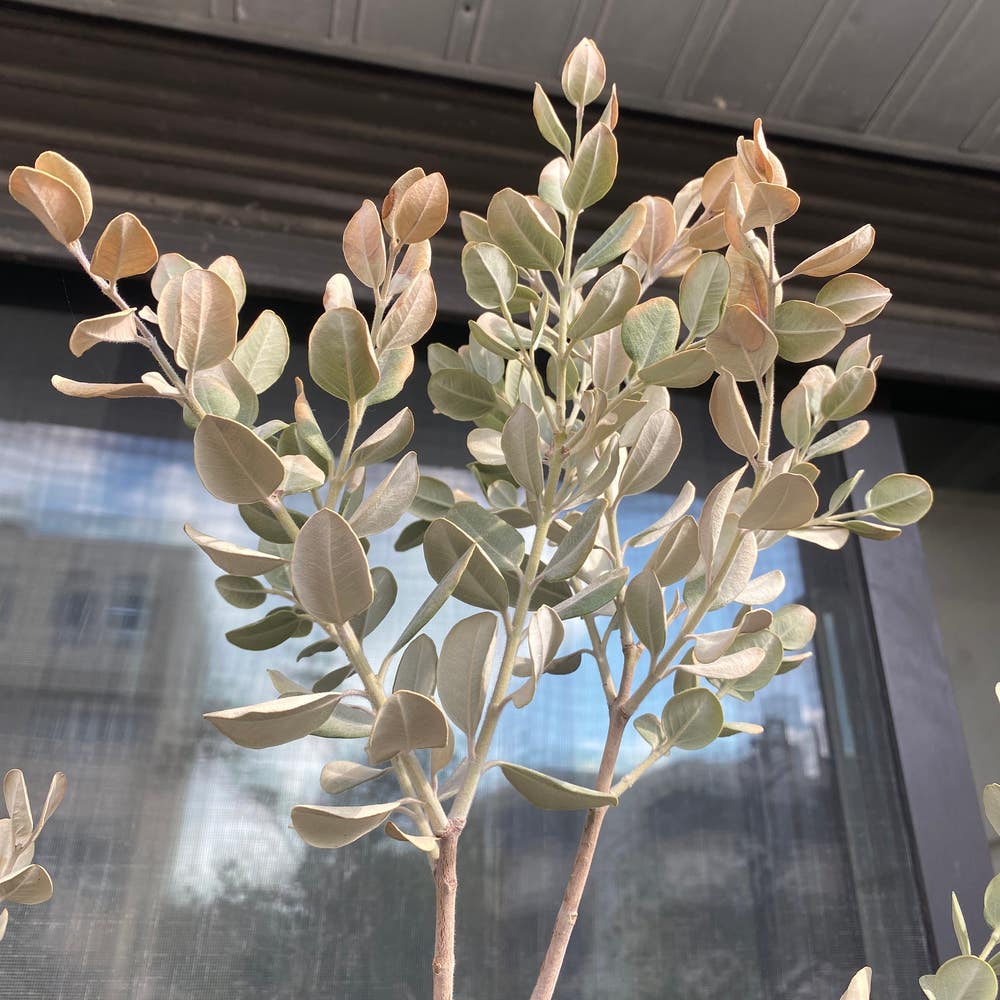
Metrosideros subtomentosa
By the Greg Editorial Team
Nov 08, 2024•5 min read
This article was created with the help of AI so we can cover more plants for you. May contain errors. See one? Report it here.
Unlock vibrant Metrosideros growth by mastering soil health and drainage! 🌱💧
- 🌱 Healthy soil is vital for Metrosideros; watch for mold and compaction signs.
- 🔬 Regular soil testing ensures optimal pH and nutrient levels for thriving plants.
- 🏡 Create a custom soil mix with peat, perlite, and compost for best results.
Identifying Unhealthy Soil
🕵️♂️ Signs of Unhealthy Soil
Identifying unhealthy soil is crucial for the well-being of your Metrosideros. One common indicator is moldy soil, which often appears as white or gray mold on the surface. If you notice a sour or musty smell, it signals anaerobic conditions that can harm your plants.
Another sign is soil compaction. If you struggle to insert your finger or a tool into the soil, it’s a clear symptom of compaction. This condition can lead to poor root penetration and reduced aeration, making it harder for your plants to thrive.
🧼 Solutions for Moldy Soil
If you encounter moldy soil, take immediate action. Start by scraping off the affected top layer and disposing of it properly. This simple step can significantly improve the health of your soil.
Next, focus on improving air circulation. Increase spacing between plants to avoid overcrowding, which can trap moisture and promote mold growth. Additionally, adjust your watering practices by allowing the soil to dry out between waterings, preventing excess moisture that encourages mold.
🧪 How to Test Soil Health
Testing your soil health is essential for maintaining a thriving garden. Use commercial soil testing kits to measure pH, nutrient levels, and moisture content. These kits provide valuable insights into the condition of your soil.
Don’t overlook visual inspection. Regularly check for signs of pests or diseases, as these can indicate underlying soil issues. Keeping an eye on your soil’s health will help you make informed decisions for your Metrosideros.
By understanding the signs of unhealthy soil and implementing effective solutions, you can create a thriving environment for your plants. Next, let’s explore the ideal soil pH for optimal growth.
Ideal Soil pH
Recommended pH Range 🌱
For your Metrosideros, the optimal soil pH is between 5.5 and 6.5. This range is crucial for healthy growth and effective nutrient uptake.
Maintaining this pH level supports overall plant health, ensuring that your trees thrive in their environment.
Effects of pH on Growth 📉
Soil pH significantly affects nutrient availability. When pH levels fall outside the ideal range, essential nutrients become less accessible to your plants.
Poor pH can stunt growth and make your Metrosideros more vulnerable to diseases, impacting their vitality and resilience.
How to Adjust Soil pH ⚖️
If you need to lower the pH, consider incorporating sulfur or peat moss into your soil mix. These amendments help create a more acidic environment.
To raise the pH, lime or wood ash can be effective in increasing alkalinity.
Regular soil testing is key; aim to conduct tests every 6-12 months to keep tabs on your pH levels. This proactive approach ensures your Metrosideros receive the best possible care.
With the right pH balance, your trees will flourish, setting the stage for healthy growth and vibrant foliage. Next, let’s explore how to create a homemade soil mix tailored to their needs.
Creating a Homemade Soil Mix ((difficulty:easy))
🌱 Components of an Ideal Mix
Creating the perfect soil mix for your Metrosideros starts with the right components. Aim for a blend that includes 40% peat moss or coconut coir for moisture retention, 30% perlite or pumice for drainage, and 30% compost to provide essential nutrients and support microbial activity.
🛠️ Step-by-Step Guide
Follow these simple steps to craft your homemade soil mix:
- Gather materials: Collect peat moss, perlite, compost, and any additional amendments you might want.
- Combine base ingredients: In a large container, mix equal parts of peat moss and perlite.
- Add compost: Incorporate the compost into the mixture, ensuring a balanced ratio.
- Mix thoroughly: Stir the ingredients until you achieve a uniform texture.
- Test pH: Finally, check the pH of your mix and make adjustments if necessary.
🌍 Benefits of Using Homemade Mix
Opting for a homemade soil mix offers several advantages. It allows you to tailor the mix specifically to the needs of your Metrosideros, ensuring optimal growth conditions.
Additionally, this mix provides improved drainage and aeration compared to many commercial options. Plus, it's a cost-effective and environmentally friendly choice that can enhance your gardening experience.
With your homemade soil mix ready, you're well on your way to nurturing healthy Metrosideros plants. Next, let’s explore the importance of soil drainage and aeration for optimal plant health.
Soil Drainage and Aeration
🚰 Importance of Drainage
Proper soil drainage is crucial for the health of your Metrosideros. It prevents root rot and encourages robust root development, ensuring your plants thrive.
Additionally, effective drainage maintains optimal moisture levels without the risk of waterlogging. This balance is essential for healthy growth and overall plant vitality.
🛠️ How to Improve Drainage
To enhance drainage, consider incorporating coarse materials like sand or gravel into your soil mix. These additions help facilitate water flow, preventing excess moisture from accumulating.
Another effective strategy is to use raised beds or pots equipped with drainage holes. This setup allows excess water to escape, further protecting your plants from soggy conditions.
🌬️ Recommended Amendments for Aeration
For improved aeration, adding perlite or pumice to your soil mix is highly beneficial. These materials increase porosity, allowing air to circulate freely around the roots.
Incorporating organic matter is also a smart move. It not only enhances soil structure but also improves moisture retention while promoting air circulation, creating a healthy environment for your Metrosideros.
With these strategies, you can ensure your soil remains well-drained and aerated, setting the stage for vibrant plant growth. Next, let’s explore how to create a homemade soil mix tailored to your Metrosideros’ specific needs.
⚠️ Safety First
This content is for general information and may contain errors, omissions, or outdated details. It is not medical, veterinary advice, or an endorsement of therapeutic claims.
Always consult a qualified healthcare professional before using any plant as food, medicine, or supplement.
Never eat any plant (or feed one to pets) without confirming its identity with at least two trusted sources.
If you suspect poisoning, call Poison Control (800) 222-1222, the Pet Poison Helpline (800) 213-6680, or your local emergency service immediately.
Spotted an error? Please report it here.
Elevate your Metrosideros' health with tailored soil care tips 🌱 from Greg, ensuring your plants flourish in their ideal environment!