7 Ideal Companions for Your Metrosideros 👫
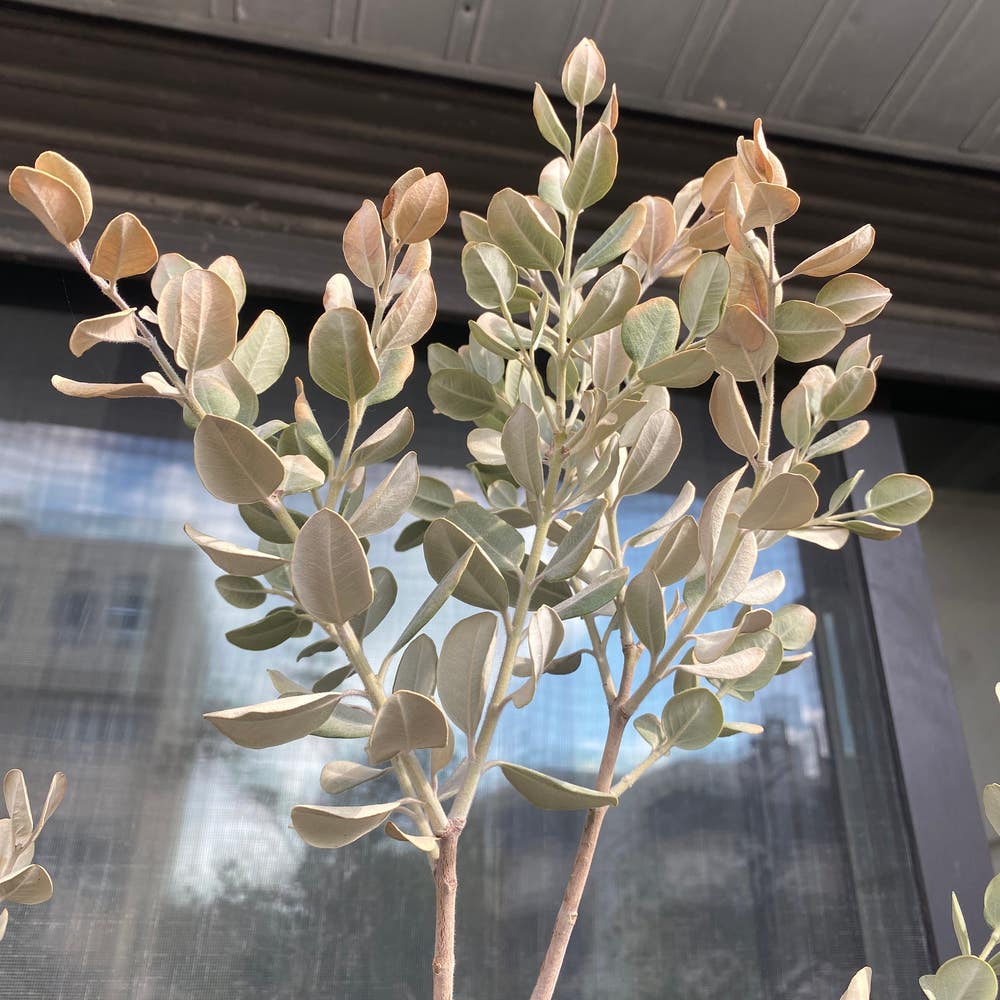
Metrosideros subtomentosa
By the Greg Editorial Team
Nov 08, 2024•6 min read
This article was created with the help of AI so we can cover more plants for you. May contain errors. See one? Report it here.
Boost your Metrosideros garden's health 🌱 with companion planting for a vibrant, thriving ecosystem!
- 🌱 Companion planting boosts Metrosideros growth by fostering beneficial plant relationships.
- 🦜🌼 Kowhai and native flax enhance beauty and attract wildlife to your garden.
- ❌ Avoid eucalyptus and invasive species to protect Metrosideros from competition and growth inhibition.
Benefits of Companion Planting for Metrosideros
🌱 Enhancing Growth and Health
Companion planting is a powerful strategy to enhance the vitality of your Metrosideros. By selecting compatible plants, you can create relationships that promote growth, improve health, and increase resilience against pests and diseases.
These plant partnerships can also improve soil health and nutrient availability. Certain companions can fix nitrogen or break up compacted soil, making it easier for Metrosideros roots to thrive.
🌼 Importance of Garden Diversity
Diversity in your garden is not just visually appealing; it’s essential for a healthy ecosystem. By incorporating a variety of plants, you promote biodiversity, which can lead to a more balanced environment.
Diverse plantings can also enhance pest control and resilience. When different species coexist, they can deter pests and diseases, reducing the need for chemical interventions and fostering a more sustainable garden.
Incorporating companion plants not only benefits your Metrosideros but also contributes to a thriving garden ecosystem. This approach creates a harmonious environment where plants support each other, leading to a more vibrant and resilient landscape.
As we explore the ideal companion plants for Metrosideros, consider how each one can contribute to this dynamic relationship.
Ideal Companion Plants
🌾 Native Flax
Native flax is a striking addition to your garden, featuring tall, sword-like leaves that come in vibrant colors. It thrives in well-drained soils and coastal conditions, making it a perfect companion for Metrosideros.
🌼 New Zealand Rock Daisy
The New Zealand rock daisy is a low-growing, mat-forming plant with beautiful silver foliage. It prefers similar soil and light conditions, serving as an excellent ground cover that suppresses weeds and retains soil moisture.
🌳 Kowhai
Kowhai is a small tree adorned with bright yellow flowers that can brighten any garden. It shares similar climate and soil preferences with Metrosideros, attracting native birds and enhancing visual appeal with its contrasting colors.
🌸 Hebe
Hebe shrubs are evergreen and come in various flower colors, providing year-round foliage and blooms. They thrive in well-drained soils and full sun, complementing the vibrant flowers of Metrosideros beautifully.
🌿 Mānuka
Mānuka is a shrub known for its white to pink flowers and aromatic leaves. It thrives in coastal environments, offering pest-repellent properties while attracting beneficial insects to your garden.
🌊 Coastal Rosemary
Coastal rosemary is a hardy shrub with small, aromatic leaves and delicate white flowers. It prefers well-drained soils and tolerates coastal conditions, effectively deterring pests while providing a lush backdrop for Metrosideros.
🌺 Flax Lily
Flax lily is a grass-like perennial featuring blue flowers and berries that add texture and color to your garden. It grows well in similar soil types and light conditions, attracting pollinators and enhancing the overall aesthetic.
These companion plants not only enhance the beauty of your Metrosideros but also contribute to a thriving garden ecosystem. By choosing the right companions, you can create a vibrant and resilient landscape that flourishes year-round.
Plants to Avoid
🌿 Eucalyptus
Eucalyptus trees may seem appealing, but they come with a significant drawback. Their allelopathic properties can inhibit the growth of nearby plants, including your beloved Metrosideros.
🍃 Certain Ferns
While ferns can add lush greenery to your garden, some varieties compete heavily for water and nutrients. This competition can stunt the growth of Metrosideros, making it essential to choose your ferns wisely.
🚫 Invasive Species
Invasive plants are a gardener's nightmare. Their aggressive growth can outcompete Metrosideros for vital resources, leading to a less vibrant and healthy garden overall.
Avoiding these plants will help ensure that your Metrosideros thrives alongside its companions. By making informed choices, you can create a flourishing garden ecosystem that supports your plants' growth and health.
Pest Management Strategies
🌱 Companion Plants in Pest Management
Companion planting is a powerful strategy for managing pests naturally. By selecting the right plants, you can create a garden environment that deters harmful insects while attracting beneficial ones.
Certain companion plants emit scents or produce compounds that repel pests. For instance, planting marigolds alongside your Metrosideros can help keep aphids at bay.
🐛 Specific Pests
Common pests that threaten Metrosideros include aphids, scale insects, and caterpillars.
Signs of infestation vary: look for sticky residue, discolored leaves, or visible insects on your plants. If left unchecked, these pests can cause significant damage, stunting growth and reducing the vibrancy of your Metrosideros.
🚫 Companion Plants that Deter Pests
Several companion plants are particularly effective at repelling pests that affect Metrosideros.
- Garlic: Its strong scent deters aphids and other insects.
- Basil: Known to repel flies and mosquitoes, it can also attract beneficial insects like bees.
- Nasturtiums: These vibrant flowers can act as a trap crop, luring aphids away from your Metrosideros.
Integrating these plants not only protects your Metrosideros but also enhances the overall health of your garden ecosystem. By fostering a diverse plant community, you create a more resilient environment that thrives together.
With a solid understanding of pest management through companion planting, you're well-equipped to maintain a flourishing garden. Next, let's explore how to enhance the visual appeal of your Metrosideros with thoughtful plant combinations.
Visual Appeal and Aesthetic Considerations
🎨 Color and Texture Combinations
Companion plants can significantly enhance the vibrant red flowers of Metrosideros. Consider pairing them with plants that offer contrasting colors, such as the bright yellow blooms of Kowhai or the silver foliage of New Zealand Rock Daisy.
These combinations create a striking visual impact, drawing the eye and adding depth to your garden. A palette that includes blues, yellows, and greens can harmonize beautifully with the fiery reds of Metrosideros, ensuring a lively and engaging landscape.
🌼 Seasonal Interest
Different companion plants provide year-round visual interest, keeping your garden dynamic through the seasons. For instance, while Metrosideros may bloom in summer, plants like Hebe can offer colorful flowers in spring and fall.
Timing is crucial; select companions that bloom at different times to maintain a continuous display. This strategy not only enhances aesthetics but also supports local wildlife throughout the year.
🌿 Creating a Cohesive Design
Planning companion plant arrangements around Metrosideros requires thoughtful consideration of heights, colors, and growth habits. Taller plants like Kowhai can serve as a backdrop, while low-growing species like New Zealand Rock Daisy can fill in the foreground.
Aim for a balanced design that allows each plant to shine without overshadowing others. This cohesive approach will create a visually appealing garden that showcases the beauty of Metrosideros while promoting a healthy ecosystem.
As you design, remember that the right companions can elevate your garden's overall aesthetic and functionality. With careful planning, your Metrosideros will thrive in a vibrant, harmonious environment.
⚠️ Safety First
This content is for general information and may contain errors, omissions, or outdated details. It is not medical, veterinary advice, or an endorsement of therapeutic claims.
Always consult a qualified healthcare professional before using any plant as food, medicine, or supplement.
Never eat any plant (or feed one to pets) without confirming its identity with at least two trusted sources.
If you suspect poisoning, call Poison Control (800) 222-1222, the Pet Poison Helpline (800) 213-6680, or your local emergency service immediately.
Spotted an error? Please report it here.
Boost your Metrosideros' health and beauty with ideal companion plants, and let Greg provide you with tailored care reminders to keep your garden thriving! 🌼 Flourish together!