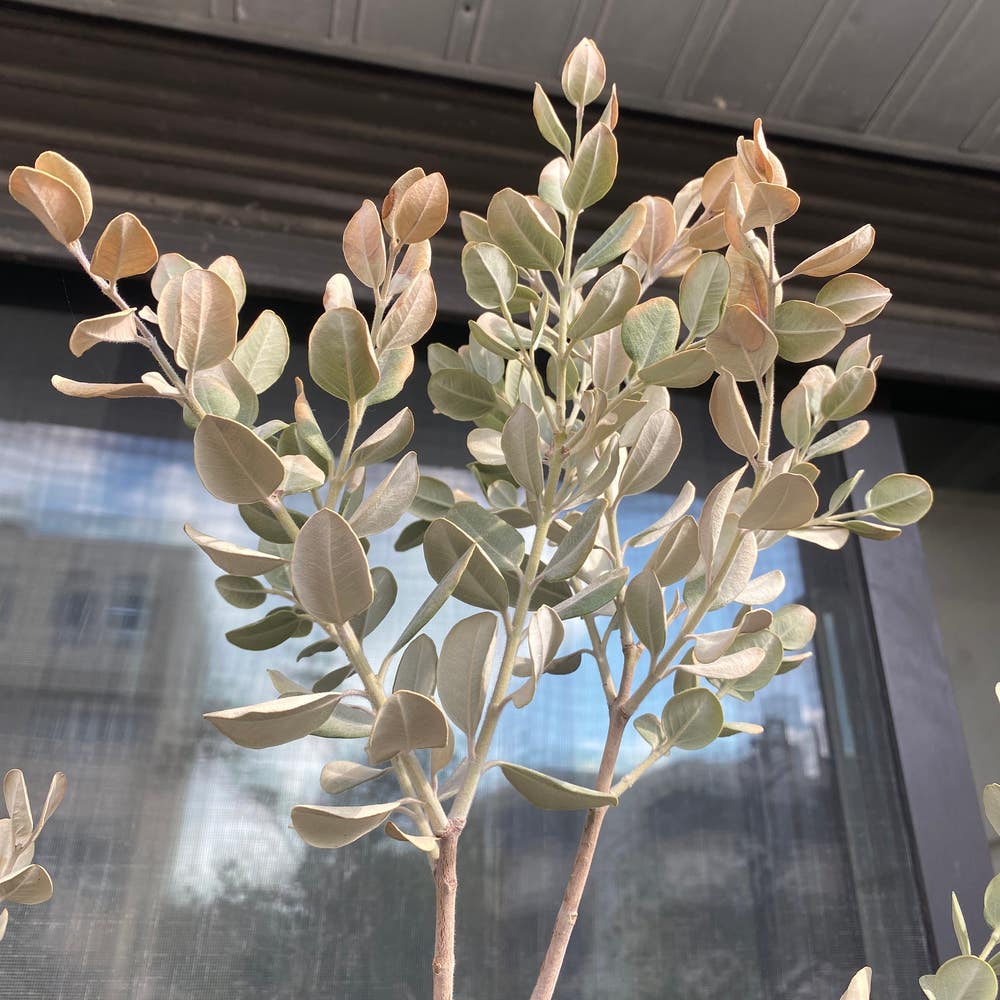
☀️ Light Requirements For Your Metrosideros
Metrosideros subtomentosa
By the Greg Editorial Team
Nov 08, 2024•4 min read
This article was created with the help of AI so we can cover more plants for you. May contain errors. See one? Report it here.
Master the light needs of your Metrosideros 🌞 for stunning blooms and thriving growth indoors and out!
- 🌞 Metrosideros needs 6-8 hours of bright indirect light daily for healthy growth.
- 🪴 Rotate your plant regularly for even light distribution and uniform growth.
- 💡 Use LED or fluorescent lights if natural light is insufficient for indoor plants.
Indoor Light Requirements
Importance of Natural Light 🌞
For your Metrosideros to thrive indoors, it’s crucial to provide optimal light conditions. Aim for bright indirect light for 6-8 hours daily, as this promotes healthy growth while avoiding the risk of leaf scorch from direct sunlight.
To maximize natural light, consider placement carefully. South-facing windows are ideal, as they receive the most sunlight throughout the day. Additionally, rotating your plant regularly ensures even light exposure, helping all sides grow uniformly.
Recommended Grow Light Options 💡
If natural light isn’t sufficient, using grow lights can be a game-changer. LED grow lights are a fantastic choice due to their energy efficiency and adjustable spectrum, allowing you to tailor the light to your plant's needs. Fluorescent lights also work well as supplemental lighting, providing a good balance for indoor environments.
Setting up grow lights requires some attention to detail. Keep the lights 12-24 inches away from the plant, depending on the type of light you choose. For optimal growth, ensure your Metrosideros receives 12-16 hours of light exposure daily, mimicking its natural habitat.
By understanding and implementing these light requirements, you can create a thriving indoor environment for your Metrosideros. This foundation will set the stage for the next section, where we’ll explore outdoor light requirements and how they differ from indoor needs.
Outdoor Light Requirements
Ideal Sunlight Exposure 🌞
Metrosideros thrives in full sun, requiring a minimum of 6 hours of direct sunlight daily. This exposure is crucial for promoting robust flowering and healthy growth.
In addition to full sun, these plants can tolerate partial shade. They adapt well to dappled sunlight or morning sun with afternoon shade, making them versatile for various garden settings. Keep in mind that different varieties may have unique light preferences, so it's essential to know your specific plant's needs.
Adaptability to Different Light Conditions 🌤️
Coastal conditions can significantly impact the light exposure of your Metrosideros. These plants show remarkable tolerance to wind and salt spray, which can influence their overall light requirements.
As seasons change, so do light conditions. Regularly monitor light changes throughout the year and adjust your plant's outdoor placement accordingly. This proactive approach ensures your Metrosideros receives the optimal light it needs to flourish.
With the right light exposure, your Metrosideros will not only survive but thrive, setting the stage for vibrant blooms and lush foliage. Next, let’s explore how light influences flowering and the blooming process.
Impact of Light on Flowering
How Light Influences Blooming 🌼
Light plays a crucial role in the blooming process of your Metrosideros. Simply put, more light translates to more vibrant and abundant blooms.
To achieve optimal flowering, consistent light exposure is essential during the blooming season. This means ensuring your plant receives the right amount of sunlight daily, which can significantly enhance its flowering potential.
Specific Light Conditions for Optimal Flowering ☀️
For the best results, aim for at least six hours of direct sunlight each day. This exposure not only boosts flower production but also intensifies the color and size of the blooms.
Keep in mind that fluctuations in light can affect blooming. Regularly assess your plant's light conditions and adjust as necessary to maintain that vital consistency.
In summary, providing your Metrosideros with the right light conditions is key to unlocking its full flowering potential. Next, let’s explore common light-related issues and how to address them effectively.
Common Light-Related Issues and Solutions
🌱 Signs of Insufficient Light
When your Metrosideros isn't getting enough light, it will often show clear signs. One of the most common symptoms is leggy growth, where the stems stretch out and the foliage becomes sparse.
Another indicator is reduced flowering. You might notice fewer blooms or smaller flowers, which can be disappointing if you're hoping for a vibrant display. Recognizing these signs early can help you adjust the light conditions for recovery.
☀️ Adjusting Light Conditions for Optimal Growth
Improving light exposure is essential for your plant's health. Start by relocating your Metrosideros to a brighter area where it can soak up more natural light.
If you're growing indoors, consider implementing grow lights. These can provide the necessary light spectrum that your plant craves.
Additionally, monitoring and adjusting light duration and intensity is crucial. Aim for a consistent light schedule, ideally around 12-16 hours daily, to promote robust growth and flowering.
By making these adjustments, you can ensure your Metrosideros thrives and flourishes beautifully. Now, let’s explore how light influences flowering and the best conditions for vibrant blooms.
⚠️ Safety First
This content is for general information and may contain errors, omissions, or outdated details. It is not medical, veterinary advice, or an endorsement of therapeutic claims.
Always consult a qualified healthcare professional before using any plant as food, medicine, or supplement.
Never eat any plant (or feed one to pets) without confirming its identity with at least two trusted sources.
If you suspect poisoning, call Poison Control (800) 222-1222, the Pet Poison Helpline (800) 213-6680, or your local emergency service immediately.
Spotted an error? Please report it here.
Keep your Metrosideros thriving with optimal light exposure 🌞 by using Greg's tailored reminders and tips to ensure it gets the care it needs for stunning blooms!