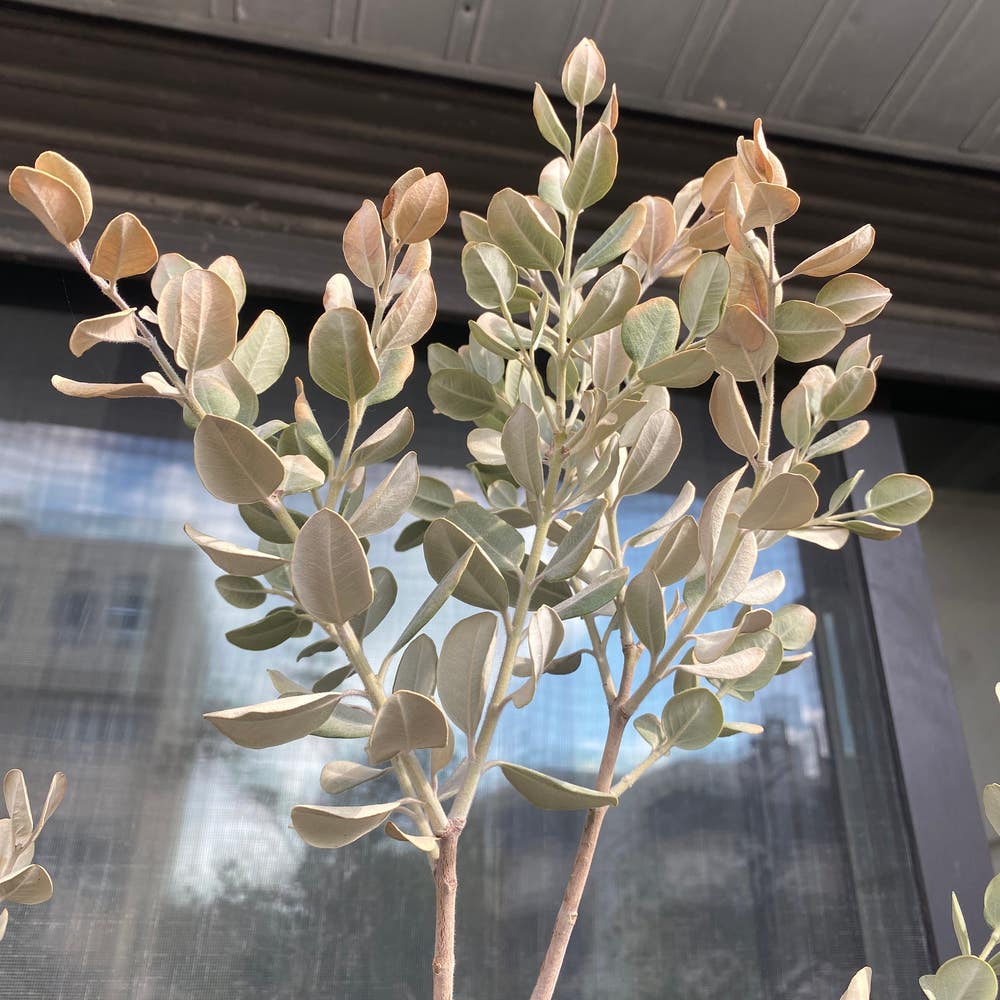
🌱 Fertilizing Metrosideros to Double Its Growth
Metrosideros subtomentosa
By the Greg Editorial Team
Nov 08, 2024•5 min read
This article was created with the help of AI so we can cover more plants for you. May contain errors. See one? Report it here.
Transform your Metrosideros into a lush masterpiece 🌿 with expert fertilization tips for vibrant growth and blooms!
- 🌱 Choose between organic and synthetic fertilizers for optimal Metrosideros growth.
- 🌼 Fertilize in spring and summer to boost growth and blooming potential.
- ⚖️ Monitor nitrogen levels; yellow leaves indicate a need for fertilization.
Types of Fertilizers Suitable for Metrosideros
🌱 Organic vs. Synthetic Fertilizers
When it comes to fertilizing Metrosideros, understanding the difference between organic and synthetic fertilizers is crucial.
Organic fertilizers are derived from natural sources, offering a slow release of nutrients. This gradual process not only nourishes the plant over time but also enhances soil health, promoting beneficial microbial activity.
On the other hand, synthetic fertilizers provide quick results, delivering nutrients directly to the plant. However, they come with a risk of over-fertilization, which can lead to nutrient imbalances and harm the plant.
Choosing the right fertilizer depends on your gardening goals and the specific needs of your Metrosideros. Organic options are ideal for long-term soil health, while synthetic fertilizers can be beneficial for immediate growth spurts.
In the end, a balanced approach that considers both types may yield the best results for your plants. This way, you can enjoy the lush growth of Metrosideros while maintaining a healthy garden ecosystem.
Next, let’s explore the best times to fertilize your Metrosideros for optimal growth.
When to Fertilize Metrosideros
🌱 Best Seasons for Fertilization
Spring is the ideal time to start fertilizing your Metrosideros. As new growth emerges, this is when your plant is most receptive to nutrients.
In summer, consider an additional feeding. This supports the active growth phase, ensuring your plant thrives during the warm months.
⚠️ Signs Indicating the Need for Fertilization
Keep an eye out for yellowing leaves, which often indicate a nitrogen deficiency. This is a clear sign that your Metrosideros needs a nutrient boost.
If you notice poor growth or reduced blooming, it’s time to reassess your fertilization strategy. These symptoms signal that your plant may be lacking essential nutrients.
⏰ Timing Based on Growth Cycles and Blooming Periods
For optimal results, fertilize your Metrosideros 4-6 weeks before expected flowering. This pre-bloom fertilization helps set the stage for vibrant blooms.
After blooming, don’t forget about post-bloom fertilization. This step supports recovery and prepares your plant for the next growth cycle, ensuring it remains healthy and vigorous.
With these guidelines, you can effectively time your fertilization efforts, promoting robust growth and beautiful blooms in your Metrosideros. Next, let’s explore how much fertilizer to apply for the best results.
How Much to Fertilize Metrosideros
📏 Guidelines for Dosage Based on Plant Size and Age
When it comes to fertilizing Metrosideros, dosage is key. For young plants, aim for just 1/4 to 1/2 of the recommended dosage to avoid overwhelming them.
Mature plants, on the other hand, can handle the full dosage as per the product instructions. This ensures they receive the nutrients they need to thrive.
📅 Frequency of Fertilization Throughout the Growing Season
Establishing a fertilization schedule is crucial for optimal growth. Generally, you should fertilize every 4-6 weeks during the active growth phase.
If your soil is nutrient-poor, consider adjusting this frequency to more often. Your plants will appreciate the extra boost!
🌱 Adjusting Fertilizer Amounts for Container vs. Ground Planting
The growing environment significantly influences fertilizer needs. For container plants, use lower doses more frequently due to the limited soil volume available.
In contrast, ground-planted Metrosideros can handle larger doses but require less frequent applications. This approach helps maintain a balanced nutrient supply without risking over-fertilization.
Understanding these guidelines will set your Metrosideros up for success. Next, let’s explore how to avoid the pitfalls of over-fertilization.
Avoiding Over-Fertilization
🌱 Symptoms of Over-Fertilization in Metrosideros
Over-fertilization can be detrimental to your Metrosideros. One of the most common signs is leaf burn, where the tips and edges of leaves turn brown, indicating that the plant is stressed.
Another symptom is stunted growth. If your plant shows reduced vigor and fewer blooms, it may be struggling with excess nutrients rather than thriving.
🚨 Steps to Take if Over-Fertilization Occurs
If you suspect over-fertilization, act quickly. Start by flushing the soil with water to dilute the excess nutrients, which helps restore balance.
Next, monitor your plant's recovery. Adjust your future fertilization practices based on its response to ensure it gets the right amount of nutrients moving forward.
🧪 Importance of Soil Testing Before Fertilization
To prevent over-fertilization, consider the importance of soil testing. Testing helps you assess existing nutrient levels, giving you a clearer picture of your soil's fertility.
With this information, you can tailor your fertilization approach. This proactive step helps prevent nutrient imbalances, ensuring your Metrosideros receives exactly what it needs to flourish.
By being mindful of these aspects, you can cultivate a healthy, vibrant Metrosideros that thrives without the risk of over-fertilization. Next, let’s explore the tools and techniques that can enhance your fertilization efforts.
Tools and Techniques for Fertilizing Metrosideros
🛠️ Recommended Tools for Applying Fertilizer
To effectively fertilize your Metrosideros, having the right tools is essential. Handheld spreaders work wonders for granular fertilizers, ensuring even distribution across the soil.
For liquid fertilizers, a simple watering can is your best friend. It allows for precise application, minimizing waste and maximizing nutrient uptake.
📏 Techniques for Even Distribution of Fertilizer
Even distribution of fertilizer is crucial for healthy growth. Apply the fertilizer in a circular pattern around the root zone to ensure all roots receive nutrients.
Be cautious to avoid direct contact with the plant's stems and leaves. This prevents potential damage and ensures the fertilizer reaches the soil where it can do the most good.
🌱 Best Practices for Incorporating Fertilizers into the Soil
Incorporating fertilizers into the soil enhances nutrient absorption. After applying the fertilizer, lightly till the soil to mix it in, promoting better access for the roots.
Don’t forget to water thoroughly after fertilization. This step activates the nutrients, helping them penetrate the soil and reach your Metrosideros effectively.
By following these tools and techniques, you can optimize your fertilization process, ensuring your Metrosideros thrives beautifully. Next, let’s explore how to avoid over-fertilization and its potential pitfalls.
⚠️ Safety First
This content is for general information and may contain errors, omissions, or outdated details. It is not medical, veterinary advice, or an endorsement of therapeutic claims.
Always consult a qualified healthcare professional before using any plant as food, medicine, or supplement.
Never eat any plant (or feed one to pets) without confirming its identity with at least two trusted sources.
If you suspect poisoning, call Poison Control (800) 222-1222, the Pet Poison Helpline (800) 213-6680, or your local emergency service immediately.
Spotted an error? Please report it here.
Boost your Metrosideros growth with smart fertilization tips 🌿 from Greg, ensuring your plant thrives with personalized reminders and expert guidance!