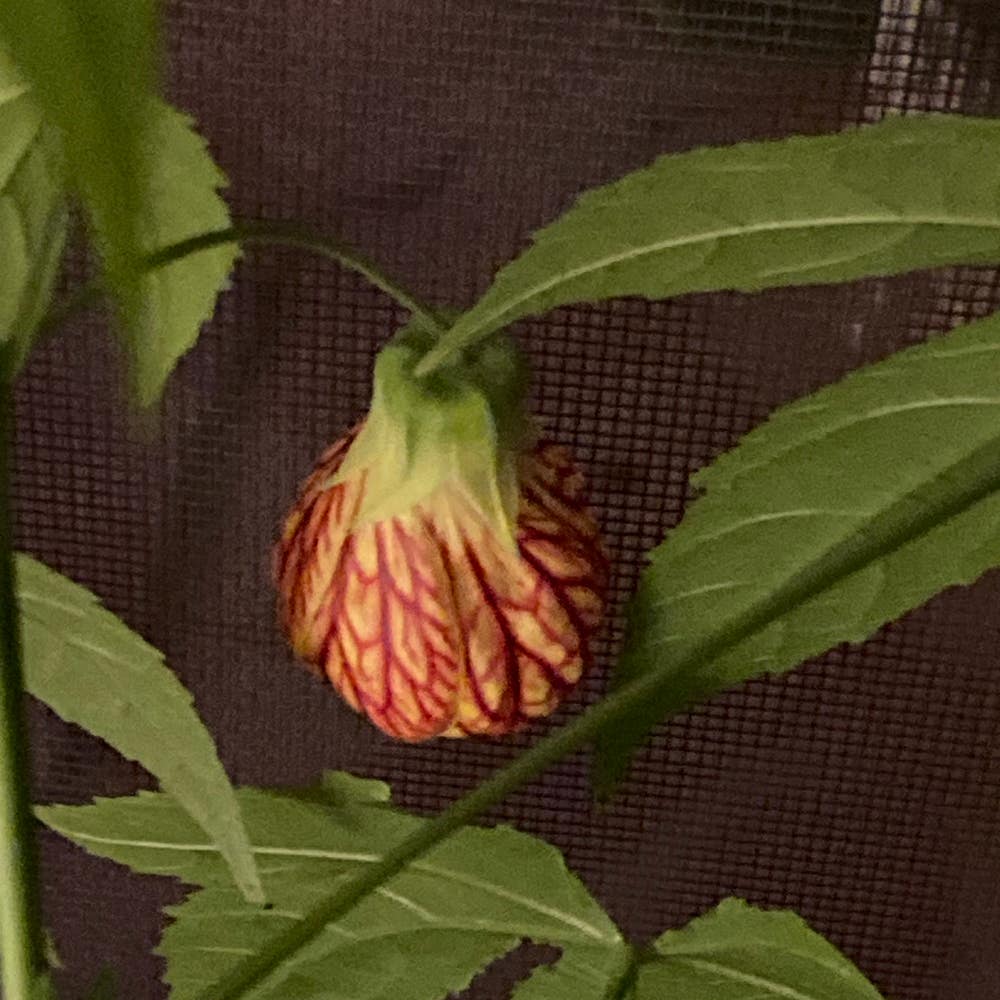
When to Plant: Abutilon 'Lucky Lantern Tangerine'
Abutilon 'Lucky Lantern Tangerine'
By the Greg Editorial Team
Jul 24, 2024•6 min read
This article was created with the help of AI so we can cover more plants for you. May contain errors. See one? Report it here.
- 📅 Frost dates dictate planting time; find yours for a safe window.
- 🌡️ Ideal soil temp: 65-72°F post-last frost for Abutilon growth.
- 🌱 Start seeds indoors 8-10 weeks before the last frost for a head start.
Understanding Frost Dates
❄️ Importance of Frost Dates
Frost dates are the gardeners' crystal ball, revealing the safest times to plant frost-sensitive species like Abutilon 'Lucky Lantern Tangerine'. They mark the boundaries of the growing season, guiding you to sow seeds when the risk of frost has waned and to harvest before the icy grip of winter returns.
- Spring Frost Date: The average date of the last expected frost in spring, signaling the start of the safe planting window.
- Fall Frost Date: The average date of the first expected frost in fall, indicating when to conclude planting and begin preparations for overwintering or harvesting.
🔍 Finding Your Frost Date
Discovering your local frost dates is akin to unlocking a secret garden schedule. Here's how to unearth this crucial information:
- Consult Online Resources: Websites like the National Centers for Environmental Information provide frost date calculators based on historical climate data.
- Local Extension Services: Your county's cooperative extension service can offer hyper-local frost date estimates.
- Gardening Communities: Tap into the knowledge of local gardening clubs or forums for anecdotal insights on frost patterns.
Remember, frost dates are not set in stone; they're based on probabilities. Always keep an eye on the current weather forecasts and be prepared to shield your Abutilon 'Lucky Lantern Tangerine' from unexpected late or early frosts.
Soil and Sun Considerations
🌡️ Soil Temperature for Planting
Abutilon 'Lucky Lantern Tangerine' thrives when the soil temperature is just right.
- Ideal soil temperature for germination and growth: 65-72°F.
- Planting should be timed when soil consistently reaches this range, typically after the last frost date.
🌞 Day Length Impact
The length of the day is a natural cue for Abutilon 'Lucky Lantern Tangerine', influencing both planting and flowering times.
- Longer days in spring and summer encourage growth and blooming.
- Ensure at least 4 hours of direct sunlight daily, with partial shade tolerated in hotter months.
Regional Planting Guide
🌴 Florida Planting Time
Florida's gardening calendar varies significantly from north to central to south. Here's when to plant Abutilon 'Lucky Lantern Tangerine' in each region:
- North Florida: Plant in March, after the last frost.
- Central Florida: February to March is your window.
- South Florida: You can start as early as January, given the warm climate.
🌞 California Timing
California's climate diversity demands attention to regional specifics:
- Coastal Areas: Plant from February to March.
- Inland Valleys: Wait until March to avoid late frosts.
- Desert Regions: Early March is ideal, leveraging mild temperatures.
🤠 Texas Growing Season
Texas's size means a staggered planting approach:
- Northern Texas: Aim for mid-March to April.
- Central Texas: Late February to March is prime time.
- Southern Texas: You can safely plant in late February.
🗽 New York Planting Months
New York's cooler climate narrows the planting window:
- Upstate: Wait until May to avoid late frosts.
- Downstate: April is typically safe for starting your Abutilon.
❄️ Colorado's Unique Climate
Colorado gardeners need to account for elevation:
- Lower Elevations: Plant in mid to late April.
- Higher Elevations: Delay until late May or early June.
🌦️ Ohio Weather Patterns
Ohio's transitional climate means:
- Southern Ohio: Plant in April.
- Northern Ohio: It's safer to wait until May.
Remember, these are guidelines. Always check local frost dates and adjust for microclimates or unusual weather patterns.
Seed Starting and Transplanting
🌱 Starting Indoors
Starting your Abutilon 'Lucky Lantern Tangerine' seeds indoors is a smart move for a head start on the growing season. Here's how to get those seeds sprouting:
- Begin 8-10 weeks before the last frost date.
- Sow seeds in flats, cells, or pots with a seed starting mix.
- Maintain soil temperatures around 75-85ºF for optimal germination.
- Keep the soil evenly moist and provide plenty of light once seeds sprout.
- Fertilize seedlings every 7-10 days with a diluted liquid fertilizer.
- Harden off seedlings by gradually exposing them to outdoor conditions before transplanting.
🌿 Direct Sowing vs Transplanting
Choosing between direct sowing and transplanting depends on your local climate and the specific needs of Abutilon 'Lucky Lantern Tangerine':
Direct Sowing:
- Ideal for warm climates with a long growing season.
- Sow seeds after the last frost when the soil has warmed sufficiently.
- Ensure the outdoor spot gets full sun and has well-draining soil.
Transplanting:
- Recommended for areas with shorter growing seasons.
- Transplant seedlings outdoors after the risk of frost has passed.
- Acclimate seedlings to prevent shock from sun and temperature changes.
Remember, timing is everything. Start indoors to control growing conditions and transplant for robust, well-established Abutilon 'Lucky Lantern Tangerine' plants.
Nationwide Planting Calendar
Crafting a planting calendar for Abutilon 'Lucky Lantern Tangerine' involves considering each state's unique climate. Here's a state-by-state guide to help you pinpoint the best time to plant for a flourish of tangerine blooms.
🌴 Southern States
- Florida: Plant from February to March, after the last frost.
- Georgia: Mid-March to April is ideal, post-frost.
- Texas: Varies widely; early March in the south, late March to early April in the north.
🏜️ Western States
- California: Coastal areas, February to March; inland, wait until March to April.
- Arizona: Plant in March, avoiding the intense summer heat.
🌾 Midwest States
- Illinois: April to early May, once the soil has warmed.
- Ohio: Late April to May, after the threat of frost has passed.
🌲 Northeastern States
- New York: May, after the last frost date.
- Pennsylvania: Mid to late April, as the ground thaws.
🏔️ Mountain States
- Colorado: Late May to early June, considering elevation and temperature.
- Montana: June, after prolonged cold weather subsides.
🌧️ Pacific Northwest
- Washington: April to May, when the rainy season lessens.
- Oregon: April, taking advantage of the moist spring soil.
🌞 Southeastern States
- North Carolina: April, after the last frost.
- Tennessee: Early April, as temperatures begin to rise.
🌾 Central States
- Kansas: April, post-frost and pre-summer heat.
- Nebraska: Late April to May, once the frost danger is minimal.
❄️ Northern States
- Minnesota: Late May to early June, after frost and when the soil is warm.
- Wisconsin: May to early June, aligning with the short growing season.
🌺 Alaska and Hawaii
- Alaska: June, during the brief, warm summer.
- Hawaii: Planting can occur year-round due to the tropical climate.
Remember, these are general guidelines. Always check local extension services and weather forecasts for the most accurate planting times in your area.
⚠️ Safety First
This content is for general information and may contain errors, omissions, or outdated details. It is not medical, veterinary advice, or an endorsement of therapeutic claims.
Always consult a qualified healthcare professional before using any plant as food, medicine, or supplement.
Never eat any plant (or feed one to pets) without confirming its identity with at least two trusted sources.
If you suspect poisoning, call Poison Control (800) 222-1222, the Pet Poison Helpline (800) 213-6680, or your local emergency service immediately.
Spotted an error? Please report it here.
Ensure your Abutilon 'Lucky Lantern Tangerine' thrives 🌱 by letting Greg track your local frost dates and customize your planting calendar for success.