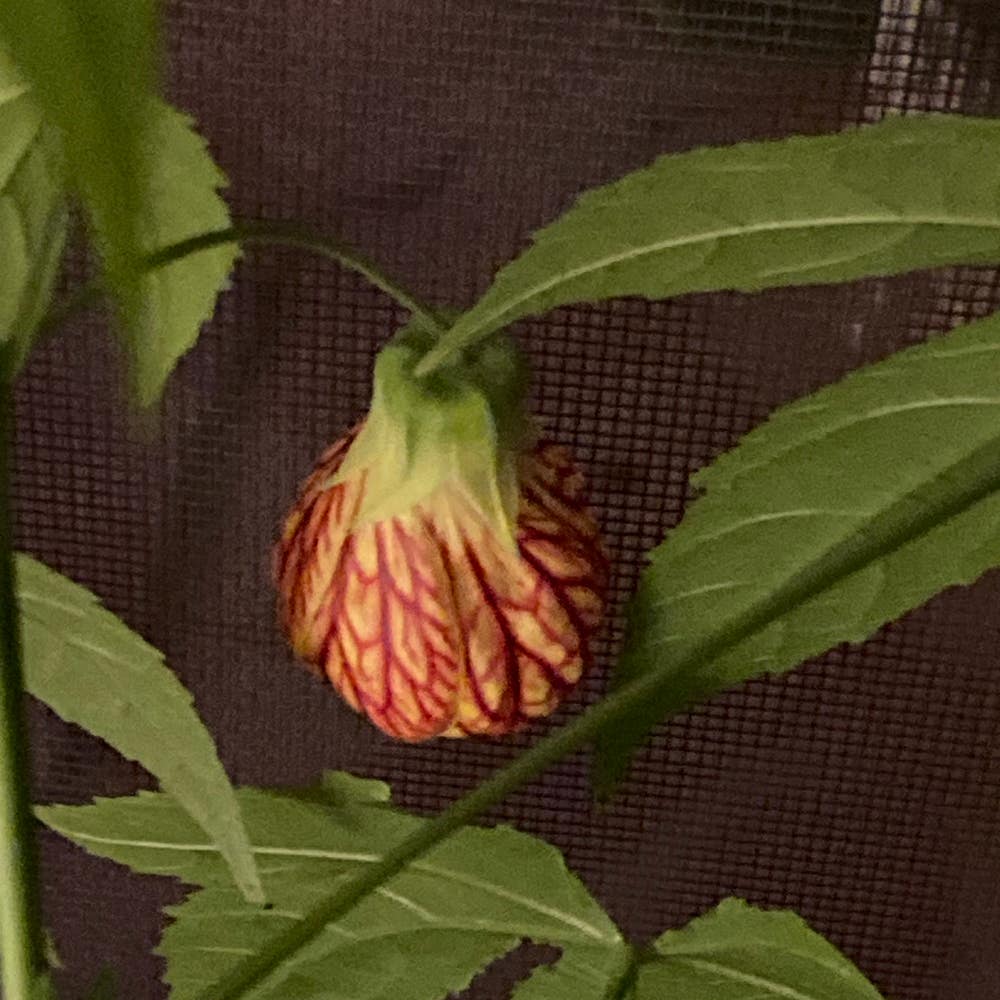
Abutilon 'Lucky Lantern Tangerine' Drooping Leaves
Abutilon 'Lucky Lantern Tangerine'
By the Greg Editorial Team
Jul 24, 2024•5 min read
This article was created with the help of AI so we can cover more plants for you. May contain errors. See one? Report it here.
- 🌱 Drooping leaves signal distress; look for softness, sagging, and discoloration.
- 💧🌞 Watering, light, and environment are common droopiness causes; balance is key.
- 🛠️ Prevent droopiness with routine care, early detection, and environment control.
Identifying Drooping Leaves
Drooping leaves in Abutilon 'Lucky Lantern Tangerine' are a visual red flag, indicating that your plant may be in distress. Here's how to spot the signs:
- Softness and Sagging: Healthy leaves are firm and hold their shape. If they feel soft to the touch and sag, it's time to take a closer look.
- Downward Curling: Leaves that curl downward, away from their natural growth pattern, are signaling that something isn't right.
- Discoloration: Keep an eye out for leaves changing color. A shift from vibrant green to dull yellow or brown is a distress signal.
- Uniformity of Symptoms: Assess whether the droopiness is affecting the entire plant or just a few leaves. This can help pinpoint the issue.
- Leaf Resistance: Gently lift a leaf. A healthy one will show some resistance, while a droopy one will feel flimsy.
🚩 By regularly inspecting your Abutilon 'Lucky Lantern Tangerine' and recognizing these symptoms early, you can take swift action to address any problems.
Common Causes of Droopiness
💧 Watering Issues
Overwatering and underwatering are like two extremes on a plant-care seesaw, each causing leaves to droop in their own way. Here's how to tell them apart:
- Overwatering: Leaves turn soft and yellow, and the soil feels like a wet sponge.
- Underwatering: Leaves become crispy and the soil is as dry as a bone.
To check soil moisture:
- Use a finger test: Insert a finger about an inch deep. If it's damp, hold off on watering; if it's dry, it's time to water.
- Consider a moisture meter for a more precise measurement.
🌞 Light and Exposure
Just like us, plants need their light to be just right. Here's what to look for:
- Inadequate light: Leaves may stretch towards the light source and appear weak.
- Excessive light: Leaves can become scorched, looking bleached or having brown crispy edges.
To find the best lighting conditions:
- Observe the plant's response to its current location.
- Move the plant to a spot with bright, indirect light and monitor for improvement.
🌡️ Environmental Stress
Temperature and humidity can make or break your plant's happiness. Keep an eye out for:
- Temperature fluctuations: Sudden changes can cause leaves to droop or drop.
- Incorrect humidity: Too low and leaves desiccate; too high and they can become limp.
Adjusting to optimal conditions involves:
- Keeping the plant away from drafts and heat sources.
- Using a humidifier or pebble tray to maintain consistent humidity levels.
Corrective Actions
🌊 Balancing Water Intake
Watering your Abutilon 'Lucky Lantern Tangerine' correctly is pivotal to reviving droopy leaves. Here's how to get it right:
- Check the top inch of soil for dryness before watering; if it's damp, hold off.
- Modify your watering habits with the seasons—more in the summer, less in the winter.
- To prevent root rot, ensure your pot has drainage holes and use well-draining soil.
🌞 Regulating Light and Shade
Your plant's light exposure can make or break its health. Follow these tips to find the balance:
- Provide bright, indirect light, shielding the plant from harsh direct sunlight.
- Rotate the plant periodically for even growth and prevent one-sided leaf droop.
🌿 Stabilizing Environment
Creating a stable environment is key to avoiding droopy leaves. Implement these methods:
- Use a pebble tray or humidifier to maintain consistent humidity levels.
- Keep the temperature steady, avoiding sudden changes that can stress the plant.
- Monitor with thermometers and adjust using fans or heating mats as necessary.
Prevention Strategies
📅 Routine Care Schedule
Creating a consistent care schedule for your Abutilon 'Lucky Lantern Tangerine' is like setting up a health regimen for peak performance. Here's how to keep your plant in top shape:
- Watering: Adjust the frequency and amount with the changing seasons, ensuring you're not over or under-doing it.
- Feeding: Stick to a regular feeding timetable, tailoring it to your plant's growth phases and seasonal needs.
- Pruning: Keep your plant tidy by regularly removing dead or yellowing leaves, which can also help prevent disease.
🔍 Early Detection and Response
Spotting early signs of distress in your plant can be the difference between a quick fix and a long-term problem. Stay vigilant:
- Monitor leaf color and texture changes, which can signal the need for care adjustments.
- Act swiftly at the first sign of droopiness to address potential issues like pests, disease, or environmental stressors.
Summary and Proactive Care
Preventing droopy leaves in your Abutilon 'Lucky Lantern Tangerine' is about vigilance and timely adjustments. Here's a quick recap of the steps to keep your plant thriving:
- Monitor your plant closely. Changes in leaf posture are your first clue that something's off.
- Adjust watering practices. Ensure you're neither overwatering nor underwatering by checking soil moisture regularly.
- Balance light exposure. Your plant needs just the right amount of light; too little or too much can cause stress.
- Maintain a stable environment. Keep temperature and humidity levels consistent to avoid environmental stress.
Remember, proactive care is key. It's not just about reacting to problems but preventing them from occurring in the first place. Keep a log of your plant's condition and the care it receives; this can help you spot patterns and make smarter care decisions. As the seasons change, so should your care routine—stay flexible and ready to adapt. With these strategies in place, your Abutilon 'Lucky Lantern Tangerine' should remain perky, with leaves that are firm and vibrant.
⚠️ Safety First
This content is for general information and may contain errors, omissions, or outdated details. It is not medical, veterinary advice, or an endorsement of therapeutic claims.
Always consult a qualified healthcare professional before using any plant as food, medicine, or supplement.
Never eat any plant (or feed one to pets) without confirming its identity with at least two trusted sources.
If you suspect poisoning, call Poison Control (800) 222-1222, the Pet Poison Helpline (800) 213-6680, or your local emergency service immediately.
Spotted an error? Please report it here.
Nurture your Abutilon 'Lucky Lantern Tangerine' back to vigorous vitality 🌿 with Greg's personalized care reminders for just the right water, light, and stable environment.