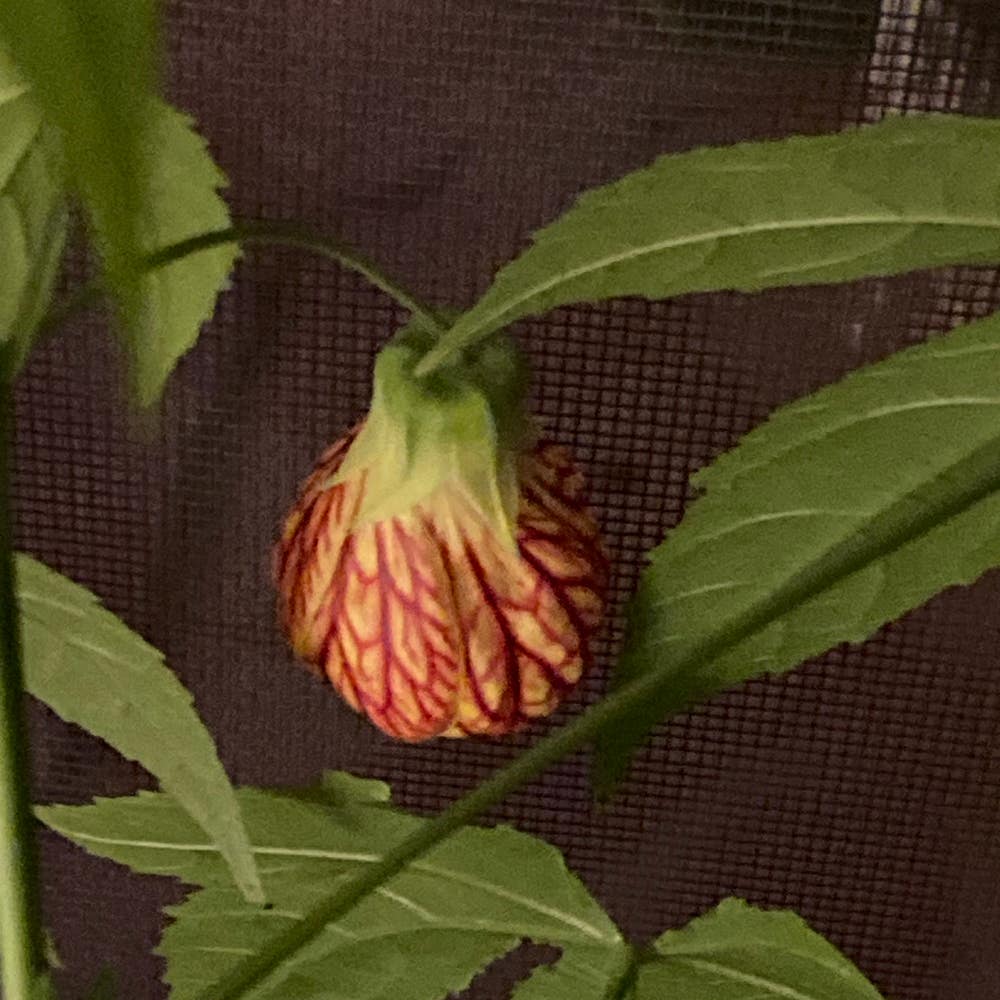
Direct Sunlight and Your Abutilon 'Lucky Lantern Tangerine'
Abutilon 'Lucky Lantern Tangerine'
By the Greg Editorial Team
Jul 24, 2024•4 min read
This article was created with the help of AI so we can cover more plants for you. May contain errors. See one? Report it here.
- 🌞 Direct sunlight is essential but not always necessary for Abutilon's flourishing.
- 🍂🌱 Seasonal adjustments ensure optimal sunlight for 'Lucky Lantern Tangerine'.
- 🌿 Observe and adapt to signs of sunlight exposure for plant health.
Sunlight Simplified
Direct sunlight is the plant world's equivalent of standing in the spotlight—no shades, no curtains, just the full, unfiltered power of the sun shining down. It's the kind of light that casts sharp, defined shadows, the kind you'd see on a clear day at noon when the sun is high in the sky.
- Direct Sunlight: Sunlight that hits the plant directly without any barriers.
- Indirect Sunlight: Sunlight that reaches the plant but is diffused or softened, often by passing through a medium like clouds or window curtains.
Imagine the sun as a bright lamp. If your plant is basking right under it, that's direct sunlight. Move it to the side, where the light is still bright but not glaring on it, and you've got indirect sunlight. Here's how to tell the difference:
- Look at the shadows: Sharp and dark means direct; soft and faint means indirect.
- Think about the time of day: The midday sun is usually direct, while early morning or late afternoon light is often gentler and indirect.
- Consider the setting: A plant on a windowsill without a sheer curtain is likely getting direct sun, whereas one set back in the room or behind a sheer curtain is in indirect light.
🌞 Understanding these differences is key to positioning your Abutilon 'Lucky Lantern Tangerine' just right.
Abutilon's Sunlight Needs
🌞 Assessing Sunlight Requirements:
- Abutilon 'Lucky Lantern Tangerine' appreciates bright light but may not require direct sunlight to flourish.
- Positioning the plant close to a window can satisfy its light appetite without the risks that come with unfiltered sun exposure.
🟢 Recognizing Signs of Appropriate Sunlight Exposure:
- Look for vibrant, well-colored leaves and steady growth—these are your plant's way of giving a green thumbs up.
- A happy Abutilon 'Lucky Lantern Tangerine' will display its gratitude through abundant flowering in the right light conditions.
🔥 Identifying Signs of Excessive Sunlight Exposure:
- If the leaves start to look like they've had a rough day at the beach—think wilting, yellowing, or browning—it's time to dial back the sunbathing.
- Leaf burn is a clear SOS signal; move your plant to a spot with diffused light to prevent further damage.
Positioning Your Plant
Window direction is crucial for the well-being of your Abutilon 'Lucky Lantern Tangerine'. In the Northern Hemisphere, a south-facing window offers the most consistent light, while in the Southern Hemisphere, north-facing windows are ideal.
- East-facing windows provide gentle morning sunlight, perfect for easing your plant into the day.
- West-facing windows deliver stronger afternoon light, which may require some shielding during the hottest hours.
Adapting to your hemisphere is key to finding the perfect spot for your Abutilon 'Lucky Lantern Tangerine'.
- In sunnier climates, an east or west window might suffice.
- In less intense sunlight areas, aim for a south-facing window in the Northern Hemisphere or a north-facing one in the Southern Hemisphere.
Remember, as the seasons change, so does the sun's angle.
- Move your plant closer to the window during winter to capture weaker rays.
- Pull it back in the summer to protect it from the stronger sun.
By understanding these nuances, you can ensure your Abutilon 'Lucky Lantern Tangerine' thrives in just the right amount of direct sunlight.
Seasonal Sunlight Strategies
As the seasons shift, so does the angle and intensity of sunlight, which means your Abutilon 'Lucky Lantern Tangerine' care routine needs to adapt. Here's how to keep your plant thriving all year round.
- Spring and Fall: These seasons offer a Goldilocks zone of sunlight—usually not too harsh, not too weak. It's the perfect time for your Abutilon to bask in direct sunlight, especially in the morning.
- Summer: The sun's rays intensify, and your plant might need a siesta from the midday heat. Use sheer curtains or move it to a spot with morning sun and afternoon shade to prevent leaf scorch.
- Winter: Light becomes a scarce commodity. If your Abutilon starts to look a bit gloomy, consider supplementing with grow lights to mimic those long, sunny days it misses.
Remember, the key is to observe your plant's cues. If it's reaching for the light or its leaves are fading, it's time to adjust its spot to capture those rays. Conversely, if the leaves are crispy or bleached, dial back the sun exposure. Keep rotating your plant for even light distribution and consider reflective surfaces to brighten up darker corners. With these strategies, your Abutilon 'Lucky Lantern Tangerine' will stay vibrant through every season.
⚠️ Safety First
This content is for general information and may contain errors, omissions, or outdated details. It is not medical, veterinary advice, or an endorsement of therapeutic claims.
Always consult a qualified healthcare professional before using any plant as food, medicine, or supplement.
Never eat any plant (or feed one to pets) without confirming its identity with at least two trusted sources.
If you suspect poisoning, call Poison Control (800) 222-1222, the Pet Poison Helpline (800) 213-6680, or your local emergency service immediately.
Spotted an error? Please report it here.
Ensure your Abutilon 'Lucky Lantern Tangerine' enjoys the perfect sunbath year-round ☀️ with Greg's custom reminders to adjust its spot with the changing seasons!