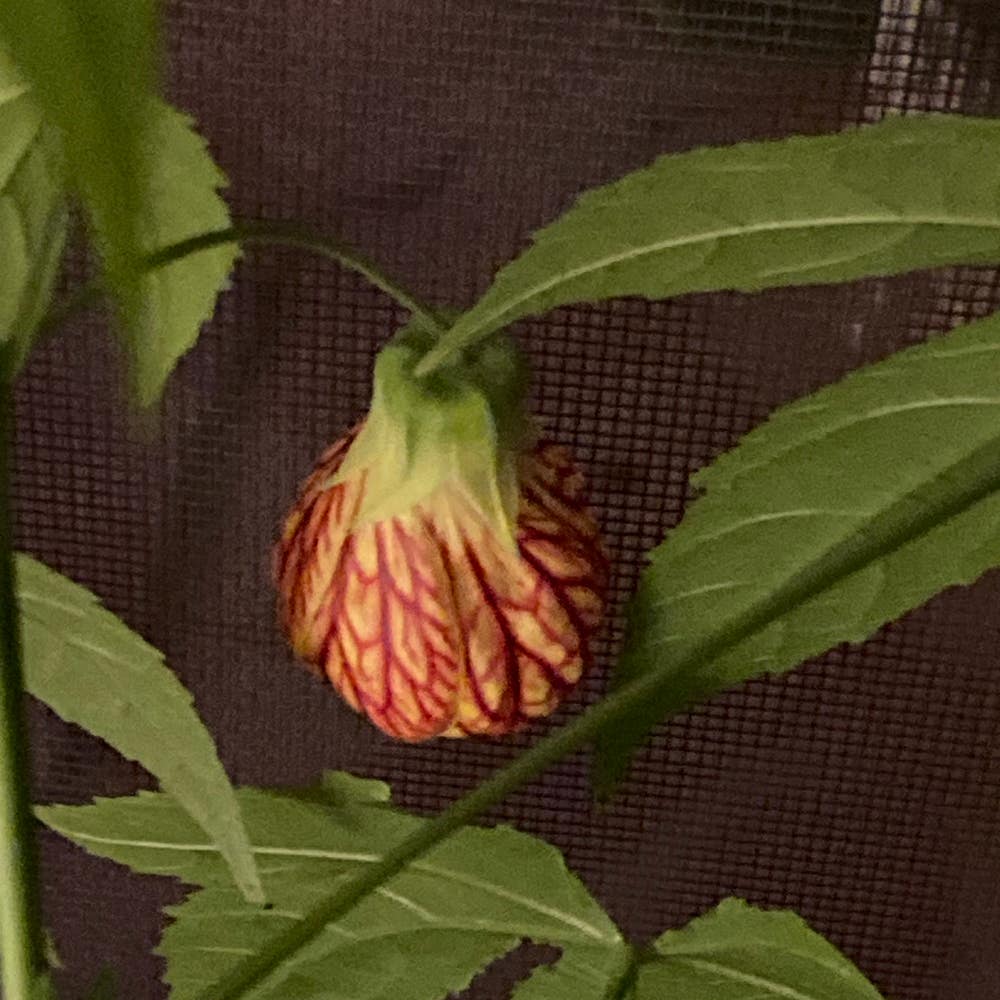
Growing Your Abutilon 'Lucky Lantern Tangerine' Indoors
Abutilon 'Lucky Lantern Tangerine'
By the Greg Editorial Team
Jul 24, 2024•8 min read
This article was created with the help of AI so we can cover more plants for you. May contain errors. See one? Report it here.
- 🌱 Bright, indirect sunlight is essential for 'Lucky Lantern Tangerine' health.
- 💦 Water wisely—aim for moist, well-draining soil to prevent root issues.
- 🌡️ Maintain 60-80ºF and 50-75% humidity for optimal indoor growth conditions.
Optimal Indoor Light
Understanding the right light conditions is key to the thriving of your Abutilon 'Lucky Lantern Tangerine'. This plant prefers bright, indirect sunlight, akin to the dappled shade of its native rainforest floor.
🌟 Understanding Indoor Light Levels
- Assess the natural light in your space using a simple light meter or observe how sunlight moves through the room throughout the day.
- Avoid placing your Abutilon in direct sunlight, which can cause leaf burn, indicated by gray or brown patches.
💡 Supplementing with Grow Lights
- Consider grow lights if your indoor space lacks sufficient natural light, but remember they are a supplement, not a substitute for sunlight.
- LED grow lights are preferable as they provide a spectrum of light that promotes growth without excessive heat.
🌞 Positioning for Bright, Indirect Sunlight
- Position your plant near a window that filters light, but not where the midday sun will hit it directly.
- Rotate your plant regularly to ensure even light exposure.
- Use reflective surfaces to gently increase light availability to your plant.
Watering and Drainage
Mastering the art of watering begins with understanding your Abutilon's thirst. It craves consistency—a soil moisture level akin to a wrung-out sponge.
- Moisture check: Before watering, insert your finger into the soil up to the first knuckle; if it feels dry, it's time to water.
- Seasonal sync: Adjust watering frequency with the plant's growth cycle and ambient weather conditions.
- Water quality: Use room-temperature water, ideally rainwater or filtered tap water to avoid salt buildup.
Overwatering is a common misstep that can lead to a host of problems. Keep an eye out for these telltale signs:
- Leaves turning yellow or brown and falling off.
- A musty smell indicating rot, stemming from overly damp soil.
- Stunted growth despite adequate light and nutrition.
Choosing the right pot is as crucial as the watering itself. Your pot should not only complement your home's aesthetic but also support the health of your 'Lucky Lantern Tangerine'.
- Drainage holes: Non-negotiable for any pot; they're the escape route for excess water.
- Pot material: Terra cotta and other porous materials help soil dry out more evenly, reducing the risk of overwatering.
- Size matters: A pot too large for your plant can retain unnecessary moisture; opt for one that's just right.
Remember, the goal is to mimic the natural drying cycle of soil, providing your Abutilon with the perfect environment to thrive indoors.
Humidity Preferences
Abutilon 'Lucky Lantern Tangerine' enjoys a humidity level that mimics its tropical origins. Aim for a range between 50% and 75% for optimal growth.
- Use a hygrometer to monitor indoor humidity levels.
- If the air is too dry, especially during winter months, employ a humidifier to inject moisture into the environment.
- For a quick humidity boost, mist your plant regularly with water. Just be cautious not to overdo it, as too much moisture can lead to fungal issues.
- Grouping plants together is a simple yet effective way to create a microclimate with higher humidity.
- Pebble trays filled with water placed beneath the plant pots can also help increase local humidity through evaporation.
Remember, maintaining consistent humidity is as important as reaching the ideal range. Sudden changes can stress the plant, so adjust your methods gradually and keep an eye on the hygrometer readings.
Temperature Requirements
Abutilon 'Lucky Lantern Tangerine' thrives in a cozy climate, but is no fan of dramatic temperature swings. Here's how to keep it comfortable:
🌡️ Ideal Indoor Temperature Range
- Maintain a steady temperature between 60 to 80ºF (15.56 to 25ºC) for optimal growth.
- Shield your plant from temperatures below 60ºF (15ºC) to prevent cold stress.
🌬️ Managing Seasonal Temperature Changes
- As seasons change, so should your approach. Winter might call for a spot away from chilly drafts, while summer may necessitate some shade.
- Keep a close eye on the thermometer and make gradual adjustments to avoid shocking your plant.
- Remember, heating and air conditioning can significantly alter indoor humidity and temperature, so monitor and adjust as needed to maintain a consistent environment.
Soil and Nutrition
Selecting the right soil mix for your Abutilon 'Lucky Lantern Tangerine' is akin to laying a strong foundation for a house. It's crucial for the plant's growth and overall health. Here's what to consider:
- Aim for a loamy soil mix that strikes the perfect balance between drainage and moisture retention.
- The soil should be nutrient-rich, offering a buffet of both macro and micro-nutrients essential for plant growth.
Soil pH is not just a number; it's a critical factor that affects your plant's ability to absorb nutrients.
- Test the soil pH regularly to ensure it remains slightly acidic, which is ideal for Abutilon.
- Adjust the pH using amendments like lime to increase alkalinity or sulfur to increase acidity, as needed.
When it comes to fertilization, think of it as a balanced diet for your plant.
- During the growing season, a monthly dose of a balanced, water-soluble fertilizer is typically sufficient.
- Avoid over-fertilizing, which can lead to nutrient burn and inhibit flowering.
- Consider using organic fertilizers for a slow-release option that also improves soil health over time.
Pest Prevention and Health
Pests can be a real headache for indoor gardeners, but with the right strategies, your 'Lucky Lantern Tangerine' can remain unscathed.
🐜 Identifying Common Indoor Pests
Keep an eye out for these unwelcome guests:
- Aphids: Tiny, sap-sucking insects that cluster on new growth and under leaves.
- Spider mites: Minuscule pests that weave fine webs on the plant and cause yellowing leaves.
- Mealybugs: White, cottony bugs that leave a sticky residue on leaves and stems.
- Fungus gnats: Small, dark-colored flies that buzz around the soil surface.
🛡️ Implementing Pest Prevention Strategies
Prevention is your first line of defense:
- Inspect new plants for pests before introducing them to your home.
- Quarantine newcomers to prevent the spread of any hidden pests.
- Keep your gardening tools and pots clean to minimize the risk of infestation.
🩺 Recognizing Signs of Disease
Stay vigilant for these symptoms of distress:
- Yellowing leaves that may indicate overwatering or nutrient deficiencies.
- Brown spots or patches on leaves, often a sign of fungal infections.
- Stunted growth or wilting, which can be caused by root rot or other diseases.
Regular inspections and a clean environment are your best tactics against pests and diseases. By staying proactive, you can ensure your Abutilon 'Lucky Lantern Tangerine' remains healthy and vibrant.
Aesthetic Plant Maintenance
Pruning for Shape and Health:
- Aim for an open structure to enhance light penetration and air flow.
- Remove dead or dying segments to promote healthy new growth.
- Sanitize your pruning tools before each use to prevent disease spread.
Cleaning for Vibrant Foliage:
- Wipe leaves gently with a damp cloth to remove dust and potential pests.
- Occasionally shower the foliage to dislodge any accumulated grime.
- Trim old stems to rejuvenate the plant and maintain an ornamental appeal.
Ensuring Adequate Air Circulation:
- Prune to prevent overcrowding, which can stifle airflow.
- Position the plant in a location where air can circulate freely around it.
- Avoid placing the plant in tight, enclosed spaces where air movement is minimal.
Seasonal Care Adjustments
Adapting care for your 'Lucky Lantern Tangerine' as seasons change is crucial for its thriving indoors. Here's how to keep it in top shape year-round.
🌬️ Adapting Care in Winter and Summer
Winter:
- Reduce watering as growth slows; allow the soil to dry out more between waterings.
- Hold off on fertilization; the plant is in a dormant phase.
- Ensure the plant receives the brightest light available, as days are shorter.
Summer:
- Increase watering frequency to cope with higher temperatures and growth spurts.
- Begin a regular fertilization schedule with a balanced, diluted fertilizer.
- Protect the plant from direct sunlight, which can be too intense and cause leaf scorch.
🌊 Adjusting Water, Light, and Fertilizer
Water:
- In spring and fall, maintain a consistent watering schedule, allowing only the topsoil to dry out before the next watering.
- Monitor the plant's response to seasonal humidity changes and adjust accordingly.
Light:
- Rotate the plant periodically to ensure even light exposure.
- Consider supplemental grow lights during darker months to maintain vibrant foliage.
Fertilizer:
- Resume fertilization in early spring as the plant exits dormancy.
- Taper off feeding as you approach autumn to prepare the plant for winter rest.
By tuning into your Abutilon's seasonal cues, you'll foster a resilient indoor companion that dazzles year-round.
⚠️ Safety First
This content is for general information and may contain errors, omissions, or outdated details. It is not medical, veterinary advice, or an endorsement of therapeutic claims.
Always consult a qualified healthcare professional before using any plant as food, medicine, or supplement.
Never eat any plant (or feed one to pets) without confirming its identity with at least two trusted sources.
If you suspect poisoning, call Poison Control (800) 222-1222, the Pet Poison Helpline (800) 213-6680, or your local emergency service immediately.
Spotted an error? Please report it here.
Achieve the perfect rainforest ambiance for your Abutilon 'Lucky Lantern Tangerine' 🌿 with Greg's smart light and watering plans, tailored to your home's unique environment.