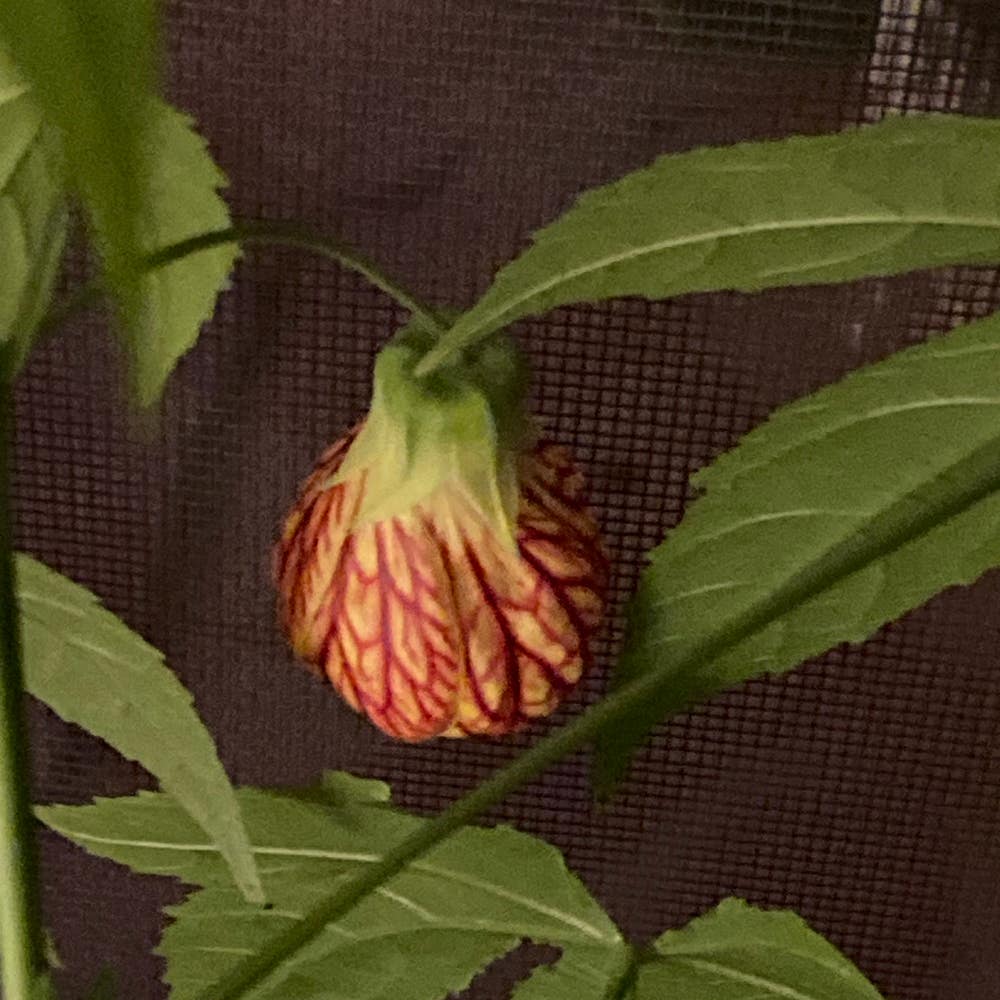
6 Winter Threats to Your Abutilon 'Lucky Lantern Tangerine'
Abutilon 'Lucky Lantern Tangerine'
By the Greg Editorial Team
Jul 24, 2024•6 min read
This article was created with the help of AI so we can cover more plants for you. May contain errors. See one? Report it here.
- 🍂 Adjust care for dormancy: Less water, no fertilizer.
- ❄️ Protect from frost: Use covers and create microclimates.
- 🌱 Indoor transition: Acclimate to light, maintain humidity.
Winter Dormancy Care
Winter prompts a notable shift in the Abutilon 'Lucky Lantern Tangerine', marking a period of rest. Recognizing the signs of dormancy is crucial for tailored care.
- Leaves may drop or growth may slow, indicating the plant's energy conservation.
- A cooler environment, around 15°C, mimics the plant's natural dormant state.
Adjusting care routines is essential to support your Abutilon through winter dormancy.
🌨️ Reduce watering to match the plant's decreased absorption rate. 🚫 Cease fertilization; the plant's nutrient needs are minimal during this rest phase. 🌞 Relocate the plant to a bright area where it can enjoy winter sunlight without the stress of high heat.
By respecting the dormancy period, you're setting the stage for a vibrant spring revival.
Frost Protection Measures
Implementing Frost Protection Strategies for Outdoor Plants
- Wrap plants with frost cloth, which allows light and air penetration and can stay on for several days.
- Employ frost covers or boxes on cold nights, ensuring they're removed during the day for sunlight and ventilation.
- Insulate the soil with a thick layer of mulch to maintain warmth and protect the roots.
Creating a Suitable Microclimate for Cold Hardiness
- Identify microclimates in your garden, such as areas near southern-facing walls or under the canopy of larger plants, which can offer warmer spots.
- Utilize strategic planting to avoid wind tunnels and frost pockets, placing the Abutilon in locations that maximize environmental protection.
- Consider installing a temporary greenhouse or using PVC hoops and frost cloth to create a controlled climate around your plant.
Watering Adjustments
During winter, the Abutilon 'Lucky Lantern Tangerine' slows its pace, requiring less water as it enters a state of dormancy. It's crucial to adjust your watering routine to prevent root issues that can arise from overwatering.
- Check the soil's moisture level before watering; it should feel dry about an inch below the surface.
- Extend the intervals between watering sessions, ensuring the plant's soil is not perpetually damp.
Recognizing the signs of overwatering is key to maintaining plant health during the colder months.
- Yellowing leaves and a general look of wilting can indicate too much water.
- If the soil feels soggy or you notice a musty smell, it's time to cut back on watering and improve drainage.
By staying responsive to your plant's needs and the cooler environment, you can navigate winter watering with confidence, setting the stage for vibrant growth come spring.
Fertilizer Schedule
Abutilon 'Lucky Lantern Tangerine' enters a phase of rest in winter, signaling a time to adjust your fertilizing approach. Here's how to get it right:
Pausing or reducing fertilization during dormant periods:
- As growth slows, your plant's nutrient requirements drop. Begin by reducing the frequency of fertilization about 8 weeks before the expected fall frost.
- Stick to a light feeding schedule, opting for a half-strength application every 6 to 8 weeks. This keeps your plant healthy without overwhelming it.
Understanding nutrient needs in colder months:
- Observe your plant closely. If it continues to show new growth, it may benefit from a slight increase in nutrients.
- Conversely, if your Abutilon seems to be in deep dormancy, further reduce the fertilization. Yellowing leaves or stalled growth are signs you might be overdoing it.
- Remember, consistency is key. Maintain a regular, but reduced, schedule to prevent any shock to the plant's system.
Indoor Care Strategies
Transitioning your Abutilon 'Lucky Lantern Tangerine' indoors when winter hits can shield it from the cold while keeping it thriving. Here's how to create a cozy winter haven for your plant.
🌬️ Transitioning to Indoor Care for Harsh Winters
- Gradually acclimate your plant to indoor lighting to prevent shock. Start with a shaded area and slowly increase exposure to bright, indirect light.
- Keep the plant away from drafty windows and doors to avoid temperature fluctuations that can lead to leaf drop.
- Position your plant in a spot that mimics its natural light conditions, using grow lights if necessary to supplement shorter daylight hours.
💡 Managing Light and Humidity for Indoor Plants
- Ensure bright, indirect sunlight by placing near a window or using a grow light, especially during the darker winter months.
- Combat dry indoor air caused by heating systems with a humidifier or by placing a water-filled pebble tray beneath the plant pot.
- Group plants together to create a microclimate with higher humidity, benefiting all your indoor greenery.
- Regularly mist your Abutilon to maintain moisture, but be cautious not to overdo it and invite fungal issues.
Spring Transition Tips
Pruning and Repotting for Post-Winter Recovery
- Prune dead or damaged growth to stimulate new, healthy shoots. Aim to encourage a compact form.
- Choose a time when the plant shows signs of new growth for repotting, as this is when it's most resilient.
- Use fresh potting mix to replenish nutrients and give the roots room to expand.
- Be gentle with the roots to minimize stress and allow for quick recovery.
Gradually Reintroducing Outdoor Conditions
- Start by placing your Abutilon 'Lucky Lantern Tangerine' outside for a few hours each day in a sheltered spot.
- Gradually increase exposure to outdoor temperatures and sunlight over a week or two.
- Monitor the plant's response to ensure it's not experiencing shock or sunburn.
- Once acclimated, choose a permanent outdoor spot where it will receive ample sunlight and protection from strong winds.
Ensuring Winter Recovery
After the cold season, assessing the impact of winter on your Abutilon 'Lucky Lantern Tangerine' is crucial for its revival. Look for signs of life in the stems—new growth indicates recovery. If you notice any branches that haven't bounced back, they may need extra support or pruning.
- Check for green shoots as a sign of recovery.
- Prune dead or damaged branches to encourage new growth.
Preparing for robust spring growth involves a careful balance of care and patience. As temperatures rise, your plant will need more water and nutrients to support the new leaves and flowers it's eager to produce.
- Gradually increase watering as the plant resumes active growth.
- Consider a light application of fertilizer to give it a boost after winter's rest.
Stay vigilant for pests or diseases that can take advantage of your plant's vulnerable state. Early detection and intervention are key to ensuring a full recovery.
- Inspect your plant regularly for any signs of pest infestation or disease.
- Take action quickly if any issues are detected to prevent them from hindering your plant's spring comeback.
⚠️ Safety First
This content is for general information and may contain errors, omissions, or outdated details. It is not medical, veterinary advice, or an endorsement of therapeutic claims.
Always consult a qualified healthcare professional before using any plant as food, medicine, or supplement.
Never eat any plant (or feed one to pets) without confirming its identity with at least two trusted sources.
If you suspect poisoning, call Poison Control (800) 222-1222, the Pet Poison Helpline (800) 213-6680, or your local emergency service immediately.
Spotted an error? Please report it here.
Navigate your Abutilon 'Lucky Lantern Tangerine' through winter's rest and spring into growth 🌱 with Greg's tailored watering schedules and frost alerts.