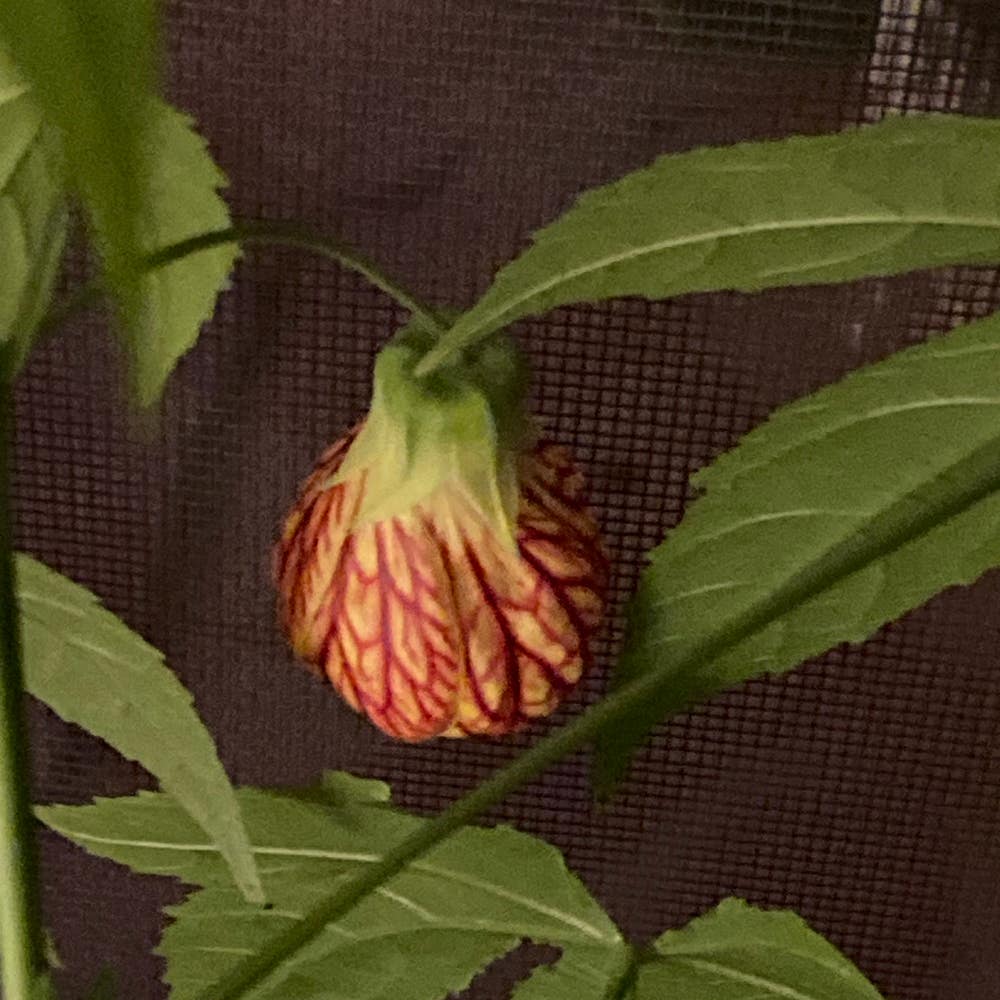
Best Tips for Abutilon 'Lucky Lantern Tangerine' Health
Abutilon 'Lucky Lantern Tangerine'
By the Greg Editorial Team
Jul 24, 2024•6 min read
This article was created with the help of AI so we can cover more plants for you. May contain errors. See one? Report it here.
- 💧 Overwatering and underwatering can both harm your plant; learn the signs.
- 🌡️🌞 Stable warm temperatures and correct light are crucial for health.
- 🌱 Prevent pests and diseases with early detection and proper care.
Watering Woes
💧 Overwatering Signs
Water can be a friend or foe to your Abutilon 'Lucky Lantern Tangerine'. Too much love in the form of water leads to telltale signs of distress:
- Yellowing leaves that feel soft and mushy.
- A constant state of wet soil, often with a foul odor.
- Wilting paradoxically appearing alongside soggy conditions.
- Stunted growth, as roots suffocate and rot sets in.
To rescue your overwatered plant:
- Stop watering immediately and let the soil dry.
- Check for root rot; trim any blackened or mushy roots.
- Repot with fresh, well-draining soil if necessary.
- Resume a more moderate watering routine, guided by the Greg app.
🌵 Underwatering Signs
Conversely, underwatering leaves your Abutilon 'Lucky Lantern Tangerine' gasping for hydration:
- Leaves and stems that droop like they've given up.
- Dry, crispy leaf tips and shriveled foliage.
- Soil that's pulled away from the pot, bone-dry to the touch.
Revival steps for an underwatered plant:
- Give a thorough, even watering until excess drains out.
- Monitor soil moisture closely, never letting it go bone-dry again.
- Use the Greg app to establish a watering schedule that quenches your plant's thirst without overdoing it.
Light and Temperature
💡 Light Issues
Abutilon 'Lucky Lantern Tangerine' thrives in bright, indirect light. Here's how to spot and fix light-related stress:
- Brown tips or crispy patches indicate too much direct sunlight.
- A leggy plant with sparse leaves suggests insufficient light.
To adjust light conditions:
- Rotate your plant regularly to ensure even growth.
- Use grow lights to supplement natural light, especially in darker months.
- Employ timers to mimic natural daylight cycles, promoting consistent growth.
🌡️ Temperature Stress
These plants prefer a stable, warm environment. Temperature stress can manifest as:
- Slow growth and leaf discoloration from inconsistent temperatures.
- Wilting or browning leaf tips when too close to heat sources.
Creating a stable temperature environment involves:
- Keeping the plant away from drafts and sudden temperature changes.
- Using thermometers to monitor room temperature, aiming for a consistent range.
- If temperatures soar, move the plant to a cooler, shaded area. Conversely, in cooler climates, find a warmer spot away from cold drafts.
Pest and Disease Management
🐛 Battling Pests
Pests can be a real headache for your Abutilon 'Lucky Lantern Tangerine', but with the right know-how, you can show them the door. Here's how to keep your plant pest-free:
Identifying Common Pests and Their Signs:
- Aphids: Look for sticky residue on leaves or stems.
- Spider mites: Watch for fine webs and speckled leaves.
- Whiteflies: Keep an eye out for tiny white insects and sooty mold.
Effective Pest Control Strategies:
- Introduce natural predators like ladybugs for aphids.
- Use insecticidal soap or neem oil as a first line of defense.
- For persistent problems, consider targeted organic or chemical pesticides.
🦠 Fighting Diseases
Fungal diseases can sneak up on your plant, but with these tips, you can keep your 'Lucky Lantern Tangerine' healthy:
Recognizing Symptoms of Fungal Diseases:
- Powdery mildew: Look for white, powdery spots on leaves.
- Root rot: Check for black or brown mushy roots.
- Leaf spot: Be vigilant for brown or black spots on foliage.
Disease Prevention and Treatment Options:
- Improve air circulation around your plant to prevent fungal growth.
- Remove and dispose of any infected plant parts immediately.
- Use appropriate fungicides, considering eco-friendly options first.
Remember, prevention is key. Regularly inspect your plant, keep it in optimal conditions, and act swiftly at the first sign of trouble.
Root and Leaf Care
Root Rot Rescue 🦠
Root rot in Abutilon 'Lucky Lantern Tangerine' can be stealthy, but early detection is key. Here's how to spot and tackle it:
- Yellowing leaves and wilting are distress signals.
- Soft, brown roots instead of firm and white are a clear indication.
- A musty smell from the soil suggests decay.
To rescue your plant:
- Remove the plant and trim away the rotted roots with sterilized tools.
- Repot in fresh, well-draining soil and a clean pot.
- Follow a careful watering schedule and monitor recovery.
Leaf Health 🍃
Leaf issues can mar the beauty of your 'Lucky Lantern Tangerine'. Watch for:
- Scorching, which appears as browned, crispy edges due to too much direct sunlight.
- Yellowing, often a sign of overwatering or poor nutrition.
To improve leaf health:
- Adjust the plant's exposure to light, ensuring bright but indirect light.
- Correct watering habits and consider a nutrient boost if yellowing persists.
Growth and Structure
Encouraging Healthy Growth
Abutilon 'Lucky Lantern Tangerine' thrives when it hits the sweet spot of care, but sometimes growth issues arise. Here's how to spot and fix them:
Diagnosing Growth Problems:
- Yellowing leaves may signal a nitrogen deficiency.
- Spindly stems often point to a lack of potassium.
- Stunted growth can be due to inadequate light or overwatering.
Promoting Robust Growth:
- Ensure balanced fertilization, but avoid over-fertilization to prevent weak stems.
- Rotate the plant regularly for even light exposure.
- Prune strategically to encourage bushiness and prevent leggy growth.
Structural Integrity
Maintaining your plant's structure is key to its health and beauty.
Addressing Leaning and Leggy Growth:
- Prune back to latent buds to promote a fuller shape.
- Increase light intensity if you notice leggy growth.
Techniques for Maintaining Plant Structure:
- Use supports like stakes or trellises for leaning plants.
- Prune during active growth periods with clean, sharp tools.
- Aim for an open structure to facilitate light and air penetration.
Preventive Care Strategies
Routine inspections are the cornerstone of proactive plant care. A keen eye can spot early signs of distress, such as discoloration or the onset of leaf curl.
- Routine Inspection Tips for Early Problem Detection:
- Check for changes in leaf color and texture.
- Inspect the stem and roots for signs of rot or pests.
- Rotate the plant periodically to promote even growth.
Consistent care is simplified with the help of technology. The Greg plant care app can be a valuable ally in maintaining a watering and care schedule tailored to your plant's needs.
- Consistent Care Using the Greg Plant Care App:
- Set reminders for watering and fertilizing.
- Track your plant's health changes and care activities.
- Receive personalized care tips based on your plant's growth stage and seasonal needs.
🌿 Importance of Air Circulation and Proper Fertilization:
- Position your plant in a location where air can flow freely around it.
- Use a balanced fertilizer appropriate for the growing season.
- Prune strategically to prevent overcrowding and promote airflow.
⚠️ Safety First
This content is for general information and may contain errors, omissions, or outdated details. It is not medical, veterinary advice, or an endorsement of therapeutic claims.
Always consult a qualified healthcare professional before using any plant as food, medicine, or supplement.
Never eat any plant (or feed one to pets) without confirming its identity with at least two trusted sources.
If you suspect poisoning, call Poison Control (800) 222-1222, the Pet Poison Helpline (800) 213-6680, or your local emergency service immediately.
Spotted an error? Please report it here.
Avoid the pitfalls of over and underwatering and keep your Abutilon 'Lucky Lantern Tangerine' in top shape with Greg's custom reminders 🌞, tailored to your plant's unique needs.