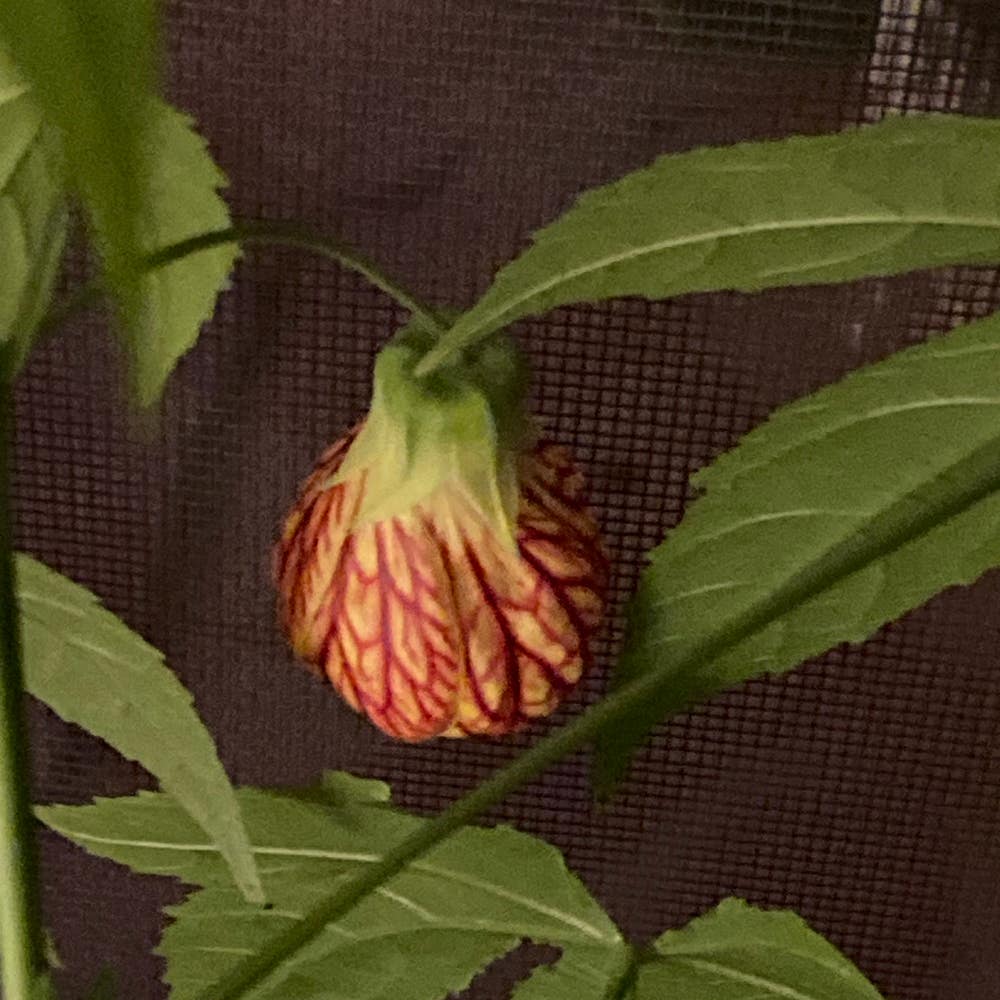
8 Tips for Pruning Abutilon 'Lucky Lantern Tangerine'
Abutilon 'Lucky Lantern Tangerine'
By the Greg Editorial Team
Jul 25, 2024•6 min read
This article was created with the help of AI so we can cover more plants for you. May contain errors. See one? Report it here.
- 🌸 Pruning is vital for health and blooms; deadheading boosts flowering.
- 🌿 Spring is prime pruning time, with fall for light touch-ups.
- ✂️ Use correct tools and techniques for shaping and preventing disease.
Pruning Basics
Pruning your Abutilon 'Lucky Lantern Tangerine' is key to its vitality, encouraging lush foliage and vibrant blooms. Here's what you need to know:
- Shaping: Trim to create a visually pleasing form.
- Bloom Encouragement: Cut back to boost flower production.
- Size Control: Manage growth to keep your plant compact and healthy.
✂️ Pruning vs. Deadheading
Pruning and deadheading serve different purposes but are both essential for a flourishing Abutilon 'Lucky Lantern Tangerine':
Pruning: Involves cutting back stems to improve the plant's overall structure and health.
Deadheading: Refers to removing spent flowers, which encourages continuous blooming.
When to Deadhead: Perform this task regularly, especially during the blooming season, to promote more flowers.
Why Deadhead: It prevents energy waste on seed production, redirecting it to new blooms and growth.
Pruning Tools and Techniques
Pruning Abutilon 'Lucky Lantern Tangerine' requires precision and the right tools. Here's what you'll need for a clean cut:
- Pruning shears: Ideal for most cuts on this plant.
- Loppers: When you need more leverage for thicker branches.
- Pruning saw: For the toughest parts of the plant.
- Disinfectant: To prevent the spread of disease.
Each tool plays a role in shaping your plant's future. Thinning cuts, which involve removing entire branches, enhance air circulation and reduce density. Heading cuts, on the other hand, encourage bushy growth by trimming branch tips. Use these techniques to maintain the plant's natural shape and promote healthy blooms.
✂️ Preparing to Prune
Before you make the first snip, consider these safety tips:
- Sterilize your tools: Wipe blades with alcohol to kill pathogens.
- Inspect your tools: Ensure they are sharp and free of nicks.
- Wear gloves: Protect your hands from plant enzymes and sharp edges.
Remember, pruning is like plant surgery. Clean, precise cuts not only improve the plant's appearance but also its health. Now, with your tools prepped and your safety gear on, you're ready to prune with purpose.
Optimal Pruning Times
Pruning your Abutilon 'Lucky Lantern Tangerine' is less about sticking to a strict calendar schedule and more about syncing with the plant's life cycle. Spring, as the plant emerges from dormancy, is the prime time to prune. This period allows the plant to heal and direct energy towards new growth. Fall can serve as a secondary pruning time, but it's not as ideal as the vigorous spring season.
Best seasons for pruning:
- Spring: The plant is waking up and ready to grow, making it the best time for pruning.
- Fall: Acceptable for light pruning, but not the optimal season.
Signs that indicate the need for pruning:
- Overgrown branches: These can make the plant look untidy and may impede light reaching the inner foliage.
- Dead or damaged stems: Removing these helps prevent disease and encourages healthier growth.
- Sparse blooming: Pruning can stimulate flowering by redirecting the plant's energy.
Timing for Deadheading 🕰️
Deadheading, the process of removing spent flowers, is essential for encouraging Abutilon 'Lucky Lantern Tangerine' to produce more blooms. Regularly snipping off the old flowers prevents the plant from expending energy on seed production, which can lead to a more extended and vibrant flowering period.
- When to deadhead:
- Throughout the blooming season: As soon as flowers begin to fade, remove them to stimulate new blooms.
- After a major flush of flowers: This can encourage another round of blooming.
Step-by-Step Pruning Guide
Pruning Abutilon 'Lucky Lantern Tangerine' is not just about cutting back growth; it's about nurturing the plant's health and enhancing its natural beauty. Here's how to get it right:
- Start by sanitizing your pruning tools to prevent the spread of disease.
- Identify any dead, damaged, or diseased stems for removal. These should be your first cuts.
- Make thinning cuts to remove excess growth and improve air circulation. Cut these stems at their point of origin.
- Use heading cuts to shape the plant and encourage bushier growth. Snip above a leaf node or bud facing the direction you want new growth to take.
- Aim to maintain the plant's natural shape, avoiding over-pruning which can stress the plant.
- After pruning, water the plant lightly to help it recover.
💀 Deadheading Technique
Deadheading the Abutilon 'Lucky Lantern Tangerine' encourages more blooms and redirects the plant's energy from seed production to flower development. Here's the step-by-step:
- Wait for the flowers to fade and wilt before deadheading.
- Using precision pruners, snip the spent flower stem back to the main stem or just above the next set of healthy leaves.
- Make clean cuts at a slight angle to prevent water accumulation and potential rot.
- Regular deadheading throughout the blooming season can result in a more prolonged and vibrant floral display.
Pruning for Plant Health
Pruning isn't just about aesthetics; it's a vital part of keeping your Abutilon 'Lucky Lantern Tangerine' thriving. Here's how to spot and snip the bad to let the good flourish:
- Look for discolored, soft spots indicating rot or fungal infections, often due to overwatering.
- Shriveled sections could mean dehydration or root issues; address these promptly.
- Remove dead, damaged, or diseased foliage to prevent energy drain and disease spread.
- Clear out old pruning stubs to avoid decay and maintain plant vigor.
Promoting air circulation is another key benefit of pruning. It's like giving your plant room to breathe, reducing the risk of disease:
- Thin out overcrowded branches, choosing the stronger ones when two compete for space.
- Ensure the remaining foliage has enough room for airflow, which helps keep pests at bay.
🪴 Rejuvenating Overgrown Plants
When your Abutilon 'Lucky Lantern Tangerine' starts looking more like a wild bush than a charming shrub, it's time for rejuvenation. Here's how to gently restore its health and shape:
- Gradually remove older branches to encourage new growth, avoiding a shock to the system.
- Aim for a balanced reduction in size, keeping the natural form of the plant in mind.
- After pruning, make sure the plant has adequate light and airflow for a strong comeback.
Aftercare and Maintenance
After pruning your Abutilon 'Lucky Lantern Tangerine', it's crucial to shift into recovery mode. Here's how to help your plant flourish post-trim:
- Hydration and Environment: Water the plant thoroughly, aiming for soil that's moist but not soggy. Position your Abutilon to receive ample but not harsh sunlight, and protect it from strong winds or extreme temperatures during its recovery phase.
Monitoring New Growth
🌱 Regular check-ups are key to a successful recovery. Keep an eye out for:
- New leaf buds or flowers, which indicate the plant is healing well.
- Any signs of distress such as yellowing leaves or a lack of new growth, which may require adjustments in care.
Ongoing Shape Maintenance
🌿 To maintain the desired shape and health of your Abutilon 'Lucky Lantern Tangerine':
- Periodically inspect the plant, removing any irregular growth or stray branches.
- Ensure that the natural form of the plant is preserved, promoting an aesthetically pleasing and healthy structure.
⚠️ Safety First
This content is for general information and may contain errors, omissions, or outdated details. It is not medical, veterinary advice, or an endorsement of therapeutic claims.
Always consult a qualified healthcare professional before using any plant as food, medicine, or supplement.
Never eat any plant (or feed one to pets) without confirming its identity with at least two trusted sources.
If you suspect poisoning, call Poison Control (800) 222-1222, the Pet Poison Helpline (800) 213-6680, or your local emergency service immediately.
Spotted an error? Please report it here.
Ensure your Abutilon 'Lucky Lantern Tangerine' thrives ✂️ with Greg's precise pruning reminders, guiding you to lush foliage and continuous blooms.