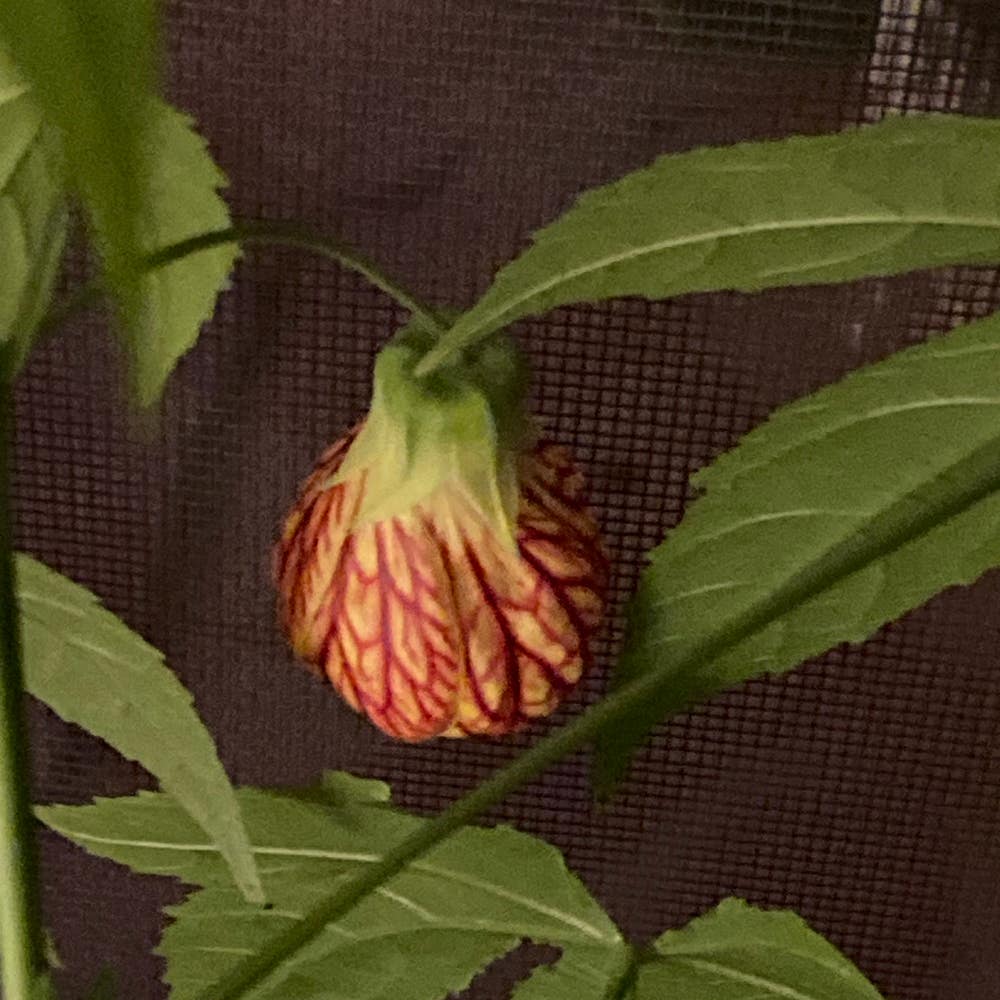
Best Fertilizer for Your Abutilon 'Lucky Lantern Tangerine'
Abutilon 'Lucky Lantern Tangerine'
By the Greg Editorial Team
Jul 24, 2024•4 min read
This article was created with the help of AI so we can cover more plants for you. May contain errors. See one? Report it here.
- 🌱 Balanced NPK crucial for Abutilon 'Lucky Lantern Tangerine' growth and bloom.
- 🧪 Adjust pH and NPK based on growth stage and season for optimal health.
- 🌸 Monitor and tweak fertilization for better blooms, prevent over-fertilization.
Fertilizer Selection
🌿 Essential Nutrients
Abutilon 'Lucky Lantern Tangerine' thrives with the right mix of nutrients. Just like a balanced diet is essential for us, these plants need a mix of nitrogen (N), phosphorus (P), and potassium (K) to flourish.
- Nitrogen is the powerhouse for leaf growth, giving your plant the lush, green appearance.
- Phosphorus is the cheerleader for blooms, encouraging those vibrant tangerine flowers.
- Potassium is the plant's personal trainer, bolstering overall health and disease resistance.
🌱 Recommended Fertilizers
When it comes to choosing a fertilizer, think tailor-made suit rather than off-the-rack. Here are some types that are ideal for Abutilon 'Lucky Lantern Tangerine':
- Organic compost or a gentle organic fertilizer can nourish your plant without overwhelming it.
- A complete balanced fertilizer, with a mix of macronutrients and essential micronutrients, supports both foliage and flowers.
- Slow-release fertilizers ensure a steady supply of nutrients without the risk of over-application.
📊 Understanding NPK Ratios
The NPK ratio on fertilizer packages is like a recipe for your plant's success.
- A balanced 10-10-10 or 20-20-20 ratio can be a good starting point, providing equal parts of each key nutrient.
- During the blooming season, a fertilizer with a higher phosphorus content can encourage more flowers.
- Adjust the NPK balance based on your plant's growth stage and seasonal needs for tailored nutrition.
Fertilization Techniques
🌿 Application Methods
Getting the fertilizer onto your Abutilon 'Lucky Lantern Tangerine' without causing harm is crucial. Here's how to do it right:
- Water your plant lightly before applying fertilizer to prevent root shock.
- Apply granular fertilizer evenly around the base, avoiding direct contact with the leaves and stems.
- For liquid fertilizers, dilute as per the product's instructions and apply to the soil at the base of the plant.
- After fertilizing, water the area again to help the nutrients penetrate the root zone.
🌱 Soil pH Considerations
Soil pH can make or break your fertilization game. It affects how well your plant can absorb nutrients:
- Use a soil test kit to determine the pH level of your soil.
- If the pH is too high (alkaline), you can lower it with sulfur or aluminum sulfate.
- For soil that's too acidic, apply lime to raise the pH.
- Aim for a pH that's just right for Abutilon 'Lucky Lantern Tangerine', typically between 5.5 and 7.5.
💧 Dilution and Dosage
The right dilution and dosage ensure your plant gets just what it needs, no more, no less:
- Follow the fertilizer package instructions for dilution rates. When in doubt, err on the side of too weak rather than too strong.
- Measure liquid fertilizer with a measuring cup or syringe for accuracy.
- Apply diluted fertilizer no more than once every two weeks during the growing season, reducing frequency in the winter.
Over-Fertilization Prevention
Recognizing Signs
- Watch for yellowing leaves, stunted growth, or wilting despite moist soil, which can indicate your Abutilon 'Lucky Lantern Tangerine' has received too much fertilizer.
- Burnt leaf tips and a white, crusty buildup of salts on the soil's surface are clear distress signals.
- A lack of blossoms during the blooming season may also suggest over-fertilization.
🚨 Remedial Actions
- If you notice any of the above signs, immediately stop fertilizing and flush the soil with clean water to dilute the excess nutrients.
- Remove any visible fertilizer buildup from the soil surface.
- For severe cases, repotting the plant in fresh soil can help reset the nutrient balance.
Maximizing Bloom Potential
🌸 Bloom-Boosting Fertilization
To enhance the flowering of your Abutilon 'Lucky Lantern Tangerine', consider these fertilization tips:
- Use a fertilizer with a higher phosphorus content to encourage blooming. A ratio like 10-30-20 is often recommended.
- Apply a bloom-booster just as the growing season begins to set the stage for a spectacular floral display.
- Be cautious with nitrogen levels; too much can lead to lush foliage at the expense of blooms.
- Foliar feeding with a dilute solution can provide an extra boost, but avoid spraying the delicate flowers directly.
🔍 Monitoring and Adjusting
Keep your plant's performance in check with these monitoring strategies:
- Document your fertilization schedule and plant's response in a log to identify what works best.
- Observe your plant closely after fertilizing. Lush, vibrant growth indicates success, while signs like droopiness or leaf burn suggest the need for adjustments.
- Adjust your fertilization approach based on the feedback from your plant. If you notice excessive leaf growth with few flowers, consider reducing nitrogen and increasing phosphorus.
- In case of over-fertilization, flush the soil with water to remove excess salts and give your plant a fresh start.
⚠️ Safety First
This content is for general information and may contain errors, omissions, or outdated details. It is not medical, veterinary advice, or an endorsement of therapeutic claims.
Always consult a qualified healthcare professional before using any plant as food, medicine, or supplement.
Never eat any plant (or feed one to pets) without confirming its identity with at least two trusted sources.
If you suspect poisoning, call Poison Control (800) 222-1222, the Pet Poison Helpline (800) 213-6680, or your local emergency service immediately.
Spotted an error? Please report it here.
Nurture your Abutilon 'Lucky Lantern Tangerine' to flourishing splendor 🌟 with Greg's custom fertilizer reminders, ensuring your plant gets just the right nutrients when it needs them!