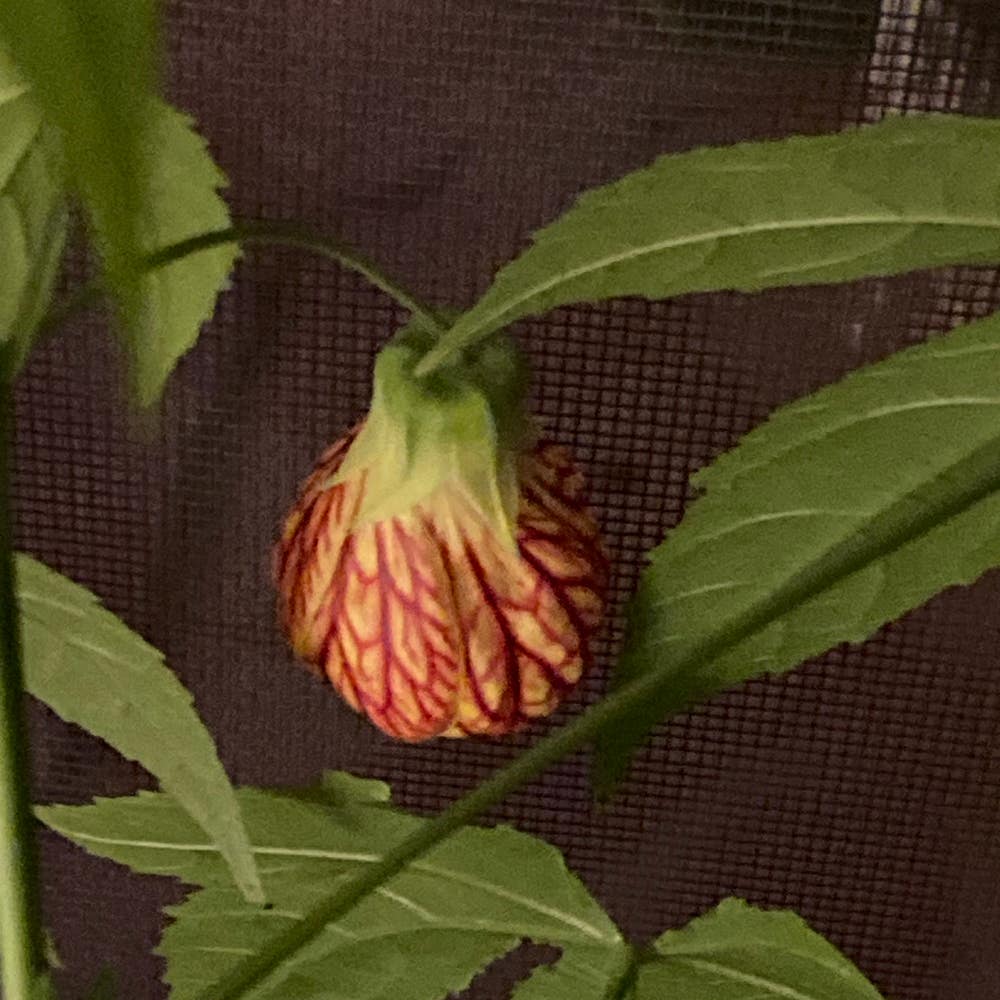
Abutilon 'Lucky Lantern Tangerine' Dropping Leaves
Abutilon 'Lucky Lantern Tangerine'
By the Greg Editorial Team
Jul 24, 2024•5 min read
This article was created with the help of AI so we can cover more plants for you. May contain errors. See one? Report it here.
- 🍂 Environmental stress, watering, nutrients cause Abutilon leaf drop.
- 💦🌡️ Adjust water, light, and temperature to prevent leaf loss.
- 🐛 Watch for pests and use Integrated Pest Management for plant health.
Leaf Drop Causes
The vibrant Abutilon 'Lucky Lantern Tangerine' can sometimes experience leaf drop, a concern for any plant enthusiast. This can be attributed to environmental stress, improper watering, or nutritional imbalances.
🌿 Environmental Stress
Light, temperature, and humidity are pivotal in maintaining the health of your Abutilon's leaves. Here's how to keep these factors in check:
- Ensure the plant receives bright, indirect light. Too much direct sunlight can scorch the leaves, while too little can weaken the plant.
- Maintain a consistent temperature, avoiding extremes that can stress the plant and cause leaf drop.
- Aim for moderate humidity levels, as too dry or too moist air can lead to leaf problems.
💧 Watering Imbalance
Watering practices are often at the heart of leaf drop issues. Here's how to identify and correct watering problems:
- Overwatering: Leaves may turn yellow and feel soft. Ensure the top inch of soil is dry before watering again.
- Underwatering: Leaves may become dry and brittle. Water the plant thoroughly, allowing excess water to drain freely.
🌱 Nutrient Shortfalls
Abutilon 'Lucky Lantern Tangerine' needs a balanced diet to flourish. Look out for these signs and solutions:
- Yellowing leaves could indicate a nitrogen deficiency. Use a balanced fertilizer, especially during the growing season.
- Pale leaves and stunted growth may suggest a lack of essential nutrients. Incorporate a slow-release fertilizer to provide a steady supply of nutrients.
Pest and Disease Management
Leaf drop in Abutilon 'Lucky Lantern Tangerine' can often be traced back to pests and diseases. These unwelcome visitors can stress the plant, leading to the shedding of leaves as a defense mechanism.
🐜 Identifying Common Culprits
- Look for aphids, spider mites, and whiteflies, which are known to target Abutilon species.
- Check for telltale signs like sticky residue, webbing, or discolored and misshapen leaves.
🛠️ Treatment Options
- Introduce natural predators like ladybugs for aphids.
- Apply insecticidal soap or neem oil for a more organic approach.
- In severe cases, consider targeted chemical pesticides as a last resort.
🌿 Integrated Pest Management
Integrated Pest Management (IPM) is a sustainable approach to keeping pests and diseases in check. It combines cultural, biological, and chemical methods, tailored to the specific needs of your plant.
🛡️ Preventative Strategies
- Ensure proper air circulation around your plant to discourage fungal growth.
- Avoid overhead watering to keep leaves dry and less hospitable to pathogens.
- Regularly inspect and prune to remove any infested or diseased foliage.
🕵️ Monitoring and Action Thresholds
- Regularly check your plant for early signs of infestation or disease.
- Establish action thresholds to decide when to intervene, preventing unnecessary treatments.
🦠 Biological and Chemical Controls
- When necessary, use biological controls like beneficial insects to manage pests.
- As a last resort, apply chemical treatments, selecting the least toxic options to minimize environmental impact.
Reviving Dropped Leaves
When your Abutilon 'Lucky Lantern Tangerine' begins to lose leaves, it's not necessarily a final curtain call. Vigilant care can coax the plant back to its former lushness, with new growth emerging as a sign of recovery.
🚨 Immediate Care Adjustments
If you notice your plant's leaves starting to drop, it's time for some quick action:
- Inspect the plant for any signs of pests or diseases and treat them accordingly.
- Assess the moisture level of the soil and adjust your watering routine—ensure it's neither too dry nor waterlogged.
- Check the plant's location; it might require more light or protection from direct sun.
- Evaluate the temperature and humidity levels, as extremes can lead to stress.
Remember, the key is to monitor the plant's response to these changes and keep tweaking as needed.
🌿 Long-Term Plant Health
For the long haul, your plant's health hinges on consistent and attentive care:
- Establish a regular watering schedule that takes into account the changing seasons and the plant's growth cycle.
- Implement a fertilization regimen tailored to the plant's nutritional needs, but be careful not to over-fertilize.
- Prune any dead or damaged foliage to encourage new growth and improve air circulation.
By sticking to a maintenance schedule that includes regular observation and gentle adjustments, you'll not only revive those dropped leaves but also fortify your Abutilon 'Lucky Lantern Tangerine' against future challenges.
Maintaining Healthy Foliage
Consistency in care is the cornerstone of keeping the Abutilon 'Lucky Lantern Tangerine' vibrant and leafy. Just like a well-oiled machine, your plant thrives on a routine that caters to its specific needs.
- Establish a regular watering schedule that takes into account the plant's environment and seasonal changes.
- Implement a fertilization plan that provides balanced nutrients without overfeeding, as both deficiency and excess can lead to leaf drop.
Patience and observation are your allies in the quest for lush foliage. These practices allow you to understand your plant's language and respond to its needs effectively.
- Monitor your plant for subtle signs of distress, such as changes in leaf color or texture, and adjust care practices accordingly.
- Rotate the plant periodically to ensure even light exposure and growth, and prune as needed to promote healthy development.
Remember, a little attention goes a long way. By staying vigilant and responsive, you'll foster a thriving Abutilon 'Lucky Lantern Tangerine' that's as resilient as it is beautiful.
⚠️ Safety First
This content is for general information and may contain errors, omissions, or outdated details. It is not medical, veterinary advice, or an endorsement of therapeutic claims.
Always consult a qualified healthcare professional before using any plant as food, medicine, or supplement.
Never eat any plant (or feed one to pets) without confirming its identity with at least two trusted sources.
If you suspect poisoning, call Poison Control (800) 222-1222, the Pet Poison Helpline (800) 213-6680, or your local emergency service immediately.
Spotted an error? Please report it here.
Prevent leaf drop and cultivate a thriving 🌿 Abutilon 'Lucky Lantern Tangerine' with Greg's personalized care reminders for watering, light, and nutrients.