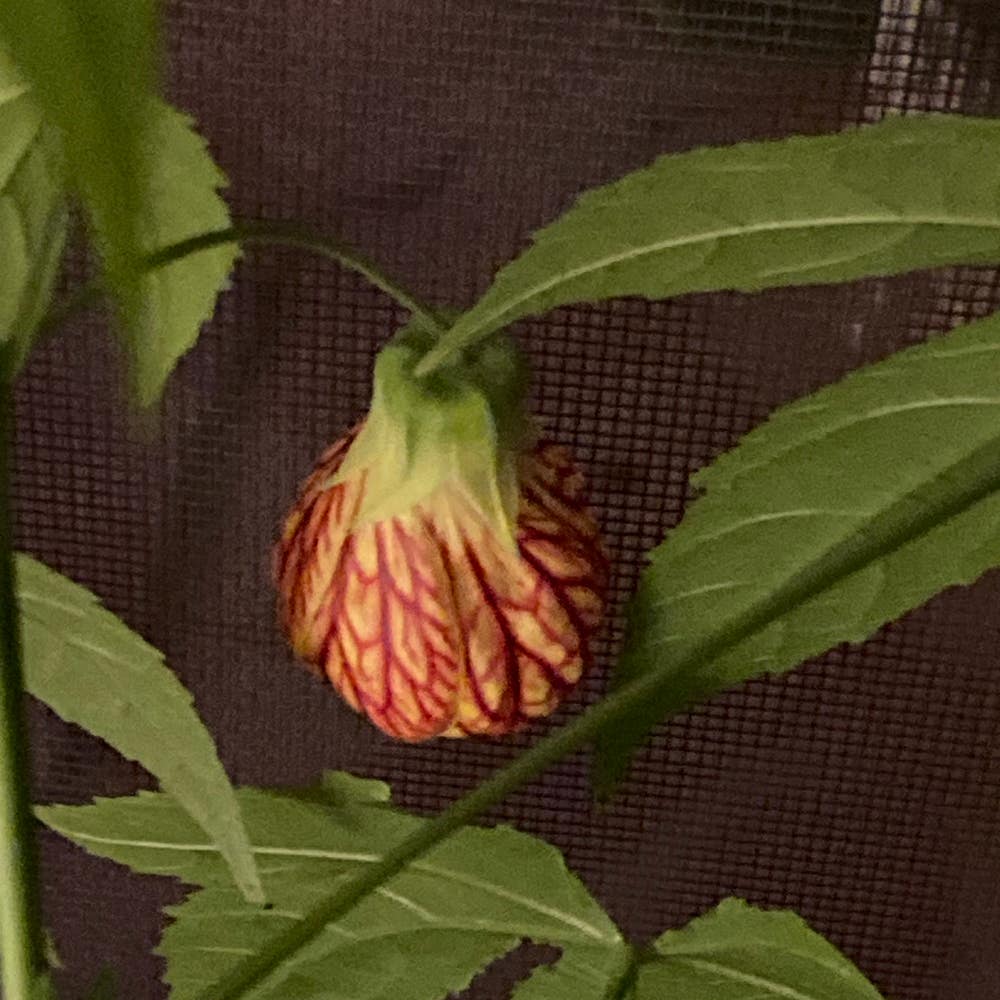
🌞 Your Abutilon 'Lucky Lantern Tangerine''s Light Requirements
Abutilon 'Lucky Lantern Tangerine'
By the Greg Editorial Team
Jul 24, 2024•3 min read
This article was created with the help of AI so we can cover more plants for you. May contain errors. See one? Report it here.
- 🌱 Bright, indirect sunlight is key for Abutilon 'Lucky Lantern Tangerine'.
- 🔄 Rotate plant regularly to promote even growth and flowering.
- 💡 Use full-spectrum LED grow lights when natural light isn't enough.
Optimal Outdoor Lighting
🌞 Bright, Indirect Sunlight
Abutilon 'Lucky Lantern Tangerine' flourishes in that sweet spot of bright, indirect sunlight. Aim for:
- 5-6 hours of indirect light daily, ideally in the morning or late afternoon.
- Protection from harsh midday sun, which can be mitigated by:
- Positioning the plant under a canopy of trees or an east-facing side of your garden.
- Using a sheer curtain or shade cloth during peak sunlight hours to diffuse the strong rays.
🍂 Seasonal Light Changes
As the seasons shift, so should your approach to lighting:
- In spring and summer, balance sun exposure with shade to protect against intense light.
- Come fall, clear away any obstructions to maximize the lower-angle sunlight.
- During winter, ensure your plant still receives ample light; consider supplemental grow lights if natural brightness is scarce.
Indoor Lighting Strategy
🌟 Ideal Indoor Conditions
Abutilon 'Lucky Lantern Tangerine' thrives in bright, indirect light indoors. Here's how to achieve this:
- Position the plant in a room with ample ambient light but shield it from direct sunlight, which can be too harsh.
- East or west-facing windows are ideal, as they provide the gentle morning or evening light that this plant loves.
🪟 Window Placement
Choosing the right window can make all the difference:
- North-facing windows offer consistent indirect light that suits the Abutilon well.
- If using south or west-facing windows, diffuse the light with sheer curtains to protect the plant from intense rays.
- Remember to rotate your plant regularly to ensure even light exposure and prevent leaning.
Enhancing Flowering with Light
💡 Light Intensity and Bloom
To unlock the full blooming potential of your Abutilon 'Lucky Lantern Tangerine', light intensity is key. Just as a well-tuned instrument can enhance a musical performance, the right light conditions can significantly boost flowering.
- Ensure your plant receives bright, indirect light for most of the day.
- Gradually increase light exposure if blooms are sparse, but be cautious to avoid leaf burn.
Offering guidance on increasing light to encourage flowering is like fine-tuning a musical instrument for a performance. It's about hitting the right notes to create a harmonious environment that encourages your Abutilon 'Lucky Lantern Tangerine' to showcase its vibrant blooms.
- Consider repositioning your plant to a brighter location if it's not flowering as expected.
- If natural light is limited, supplement with grow lights, especially those with red wavelengths to simulate the warm end of the spectrum.
Supplementing with Grow Lights
💡 When to Use Grow Lights
Grow lights can be a boon for your Abutilon 'Lucky Lantern Tangerine' when natural light is insufficient. Look out for signs like leggy growth, pale leaves, or a lack of blooms—these are your plant's way of saying it needs more light. Especially during winter or in rooms with limited sunlight, artificial lighting can help fill the gap.
- Leggy growth or stretched stems
- Pale leaves or reduced vibrancy
- Lack of flowering despite proper care
- Shorter days in autumn and winter
- North-facing rooms or obstructed windows
💡 Choosing a Grow Light
Selecting the right grow light is crucial for mimicking the sun's spectrum. LED grow lights are highly recommended for their energy efficiency and ability to provide a full spectrum of light. Here's how to optimize their use:
- Opt for full-spectrum LED lights to cover all the light wavelengths your plant needs.
- Position the lights above your plant, adjusting the distance to avoid overheating.
- Use a timer to maintain consistent light cycles, mimicking natural day and night patterns.
Remember, while grow lights are supplements, they're not a substitute for natural sunlight. Use them to complement, not replace, your plant's exposure to daylight.
⚠️ Safety First
This content is for general information and may contain errors, omissions, or outdated details. It is not medical, veterinary advice, or an endorsement of therapeutic claims.
Always consult a qualified healthcare professional before using any plant as food, medicine, or supplement.
Never eat any plant (or feed one to pets) without confirming its identity with at least two trusted sources.
If you suspect poisoning, call Poison Control (800) 222-1222, the Pet Poison Helpline (800) 213-6680, or your local emergency service immediately.
Spotted an error? Please report it here.
Watch your Abutilon 'Lucky Lantern Tangerine' thrive in its ideal light conditions by using Greg to measure 📏 the perfect spot and schedule reminders for seasonal adjustments.