Best Tips for Blooming Abutilon 'Lucky Lantern Tangerine'
Abutilon 'Lucky Lantern Tangerine'
By the Greg Editorial Team
Jul 24, 2024•4 min read
This article was created with the help of AI so we can cover more plants for you. May contain errors. See one? Report it here.
- 🌺 Vibrant bell-shaped flowers attract pollinators and bloom in spring and summer.
- 🌞💧 Sunlight and consistent watering are key for optimal blooming conditions.
- ✂️🌼 Fertilization and pruning enhance the plant's blooming potential.
Confirms Flowering
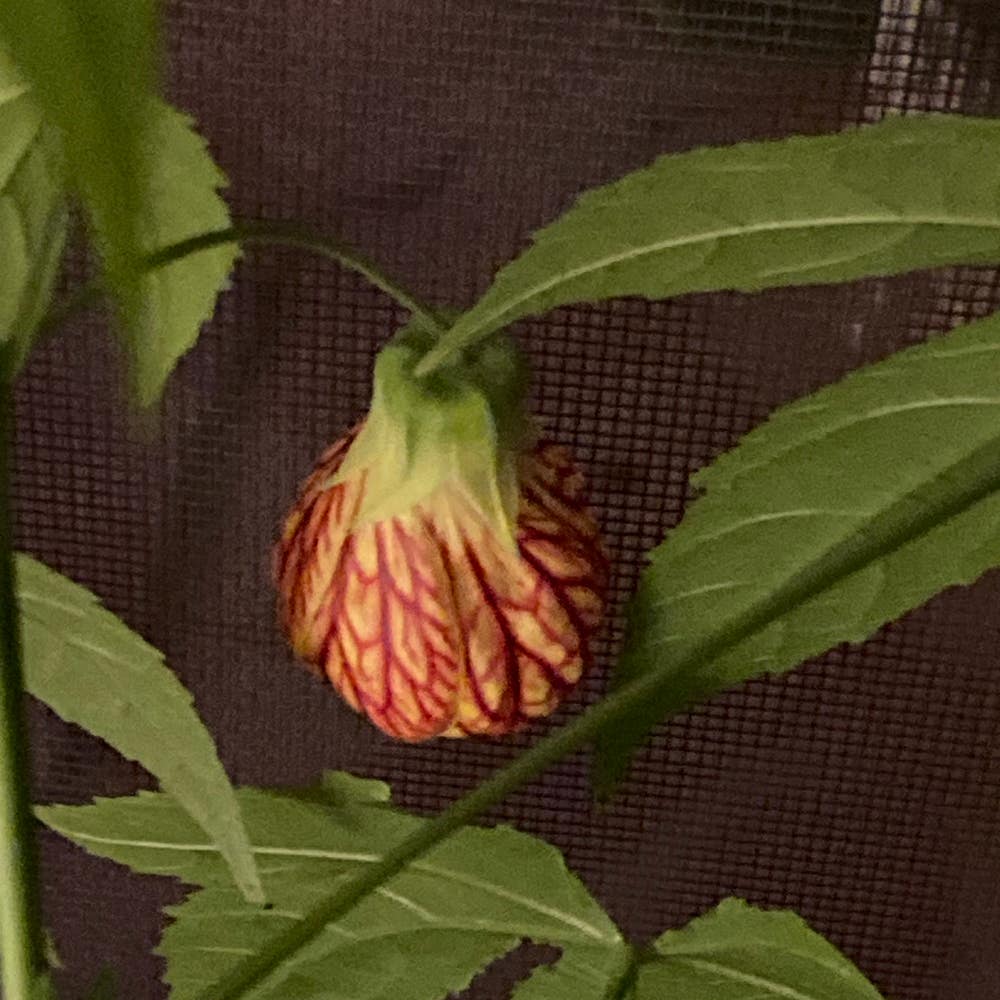
Abutilon 'Lucky Lantern Tangerine' is celebrated for its vibrant, bell-shaped flowers that bring a splash of color to any garden or container.
- The blooms are a captivating coral-peach hue, attracting pollinators like hummingbirds and butterflies.
- Its ornamental value is undeniable, with flowers that create a visual feast from summer until the first frost in many climates.
Flower Characteristics
Abutilon 'Lucky Lantern Tangerine' flowers are a visual delight, boasting a vibrant spectrum of orange hues that can brighten any garden space. The blooms exhibit a classic bell shape, with each petal unfurling to reveal a soft, inviting texture.
- Colors range from a warm, sunny tangerine to deeper shades of orange, often with subtle striations that add depth and character.
- The flower's structure is composed of five overlapping petals with prominent, central stamens that extend outward, adding to the ornamental appeal.
Regarding pollination, Abutilon 'Lucky Lantern Tangerine' is versatile.
- It is capable of self-pollination, allowing it to set seed without the need for external agents.
- However, it also benefits from the activity of pollinators such as bees and butterflies, which can help increase the genetic diversity of the seeds produced.
This dual pollination strategy ensures that even solitary plants have the potential to contribute to the next generation, while also engaging with the broader ecosystem.
Blooming Process
🌺 Bud to Bloom
The journey from bud to bloom in Abutilon 'Lucky Lantern Tangerine' is a captivating transformation. It begins with bud formation, a promise of the vibrant display to come. As temperature and light conditions align, these buds swell and gradually unfurl into the plant's signature bell-shaped flowers.
🌸 Bloom Duration
Once in full splendor, each flower graces the plant for a generous period. Typically, the blooms can last several days, with the entire blooming period extending over several weeks, offering a prolonged visual treat.
🌼 Seasonal Bloom Time
- Spring and summer are the prime seasons for Abutilon 'Lucky Lantern Tangerine' to showcase its fiery orange blooms.
- Climate and care can nudge the bloom chart earlier or later, so gardeners should be mindful of their local conditions.
- In cooler climates, the bloom time may shift, and in optimal conditions, you might even be rewarded with a longer blooming season.
Encouraging Blooms
🌺 Optimal Conditions
Creating the perfect environment is key to seeing those tangerine blooms flourish. Here's what you need to know:
- Soil: Aim for a well-draining mix, perhaps with a blend of potting soil and peat moss, to keep roots happy without waterlogging.
- Light: Abutilon 'Lucky Lantern Tangerine' loves the sun. Full to partial sunlight will do the trick, but more sun equals more blooms.
- Water: Consistency is crucial. Keep the soil moist but not drenched. Overwatering is a no-go as it can lead to root issues.
🌿 Fertilization and Pruning
Feeding and grooming your plant can significantly impact its blooming potential.
- Fertilizer: Choose a balanced, bloom-boosting fertilizer. Apply it during the growing season, but watch out for over-fertilization, which can lead to all leaves and no flowers.
- Pruning: It's like a conversation with your plant. Prune to shape and encourage growth, but don't overdo it. Strategic snipping can stimulate blooming, so focus on:
- Removing dead or yellowing leaves.
- Cutting back leggy stems to promote bushier growth.
- Deadheading spent flowers to encourage new ones.
Post-Flowering and Pollination
After the Blooms
Once the fiery tangerine petals of the Abutilon 'Lucky Lantern Tangerine' fade, the plant enters a critical recovery phase. This period is essential for setting the stage for future blooms and overall plant vigor.
- The plant may develop seed pods if pollination has occurred.
- Deadheading, or the removal of spent flowers, can encourage further blooming and prevent energy diversion to seed production.
🌺 Pollination Methods
For continued blooming, understanding and assisting with pollination can be key.
- Abutilon 'Lucky Lantern Tangerine' can self-pollinate, but attracting pollinators like bees can enhance the process.
- Hand pollination is also an option using a small brush to transfer pollen from one flower to the stigma of another.
- Monitor the plant for seed pod development as an indicator of successful pollination.
⚠️ Safety First
This content is for general information and may contain errors, omissions, or outdated details. It is not medical, veterinary advice, or an endorsement of therapeutic claims.
Always consult a qualified healthcare professional before using any plant as food, medicine, or supplement.
Never eat any plant (or feed one to pets) without confirming its identity with at least two trusted sources.
If you suspect poisoning, call Poison Control (800) 222-1222, the Pet Poison Helpline (800) 213-6680, or your local emergency service immediately.
Spotted an error? Please report it here.
Ensure your Abutilon 'Lucky Lantern Tangerine' blooms brilliantly 🍊 with Greg's tailored watering and fertilization reminders, perfect for a vibrant garden display.