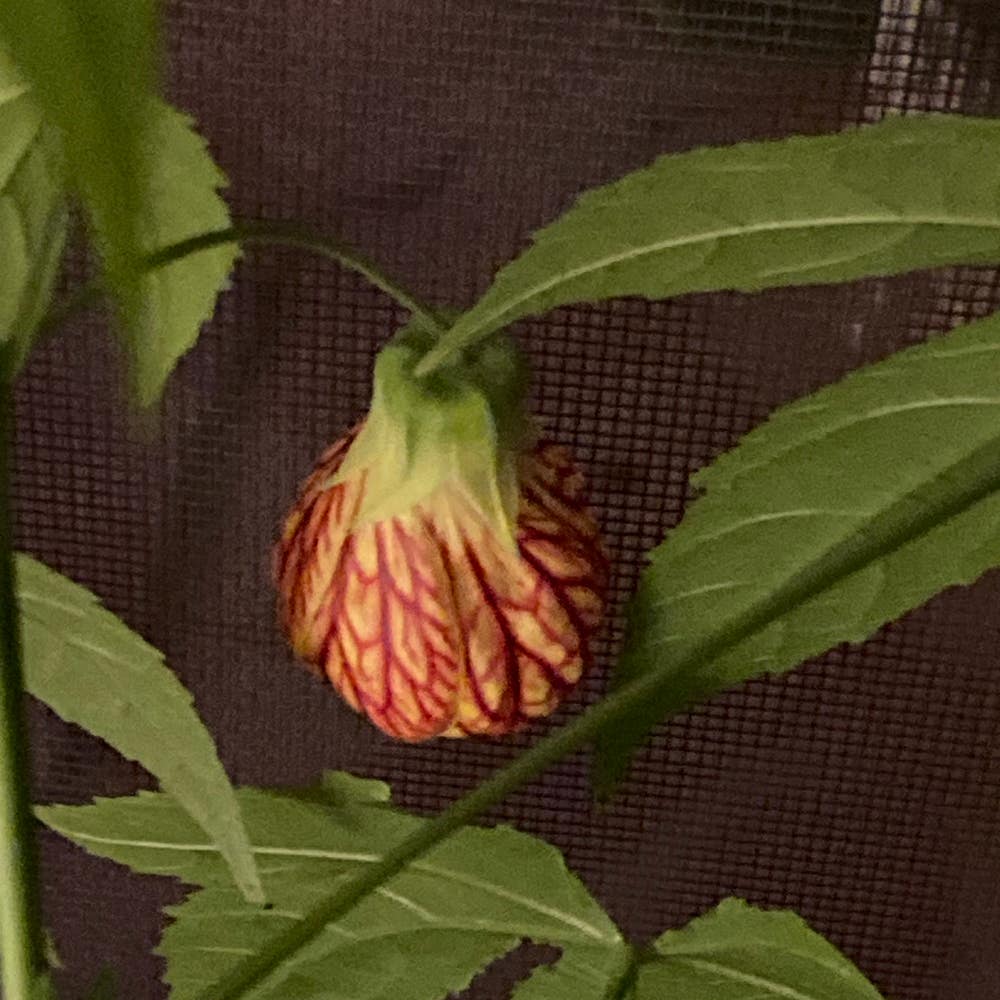
How to Fix Your Abutilon 'Lucky Lantern Tangerine' Wilting
Abutilon 'Lucky Lantern Tangerine'
By the Greg Editorial Team
Jul 24, 2024•5 min read
This article was created with the help of AI so we can cover more plants for you. May contain errors. See one? Report it here.
- 🌱 Water and heat stress are common causes of wilting; check soil and sunlight.
- 💧🔥 Adjust watering and shade to fix wilting; ensure proper drainage and indirect light.
- 🚑 Seek expert help if wilting persists; use online resources for guidance.
Identifying Wilting Causes
💧 Water Stress Indicators
Abutilon 'Lucky Lantern Tangerine' can fall victim to water stress, both from too much and too little hydration. Here's how to tell the difference:
- Overwatering: Look for yellow leaves that feel soft and swollen. If the plant's pot feels unusually heavy or if water stands in the saucer, it's a sign you've been too generous with watering.
- Underwatering: Leaves may appear dry and crispy, with brown edges. The soil will feel dry to the touch, and the plant may be lighter than expected, indicating a lack of moisture.
🌡️ Heat Stress Symptoms
Heat can take a toll on your Abutilon 'Lucky Lantern Tangerine', especially during peak summer temperatures. Keep an eye out for:
- Leaves that wilt or curl during the hottest part of the day, attempting to conserve moisture.
- Scorch marks or a bleached look on the leaves, suggesting the plant is receiving too much direct sunlight.
🦠 Disease-Related Signs
While disease is less common, it's still a potential culprit for wilting. Be on the lookout for:
- Leaves with unusual spots or a mushy texture, which could indicate a fungal infection.
- Stunted growth or a general decline in plant vigor, which may signal a more serious disease or pest issue.
Remember, consistent monitoring is key to catching these signs early and taking corrective action.
Diagnosing Wilting Issues
💧 Soil Moisture Assessment
Checking the soil moisture is your first step in diagnosing water stress. Here's how to do it:
- Use your finger or a moisture meter to check the soil an inch below the surface. If it's dry, it's time to water.
- Look for signs of overwatering, such as dampness at a deeper level, or signs of root rot like mushy, black roots.
🌡️ Environmental Analysis
Next, evaluate your plant's environment for heat stress factors:
- Consider the amount of direct sunlight and the temperature of the area. Abutilon 'Lucky Lantern Tangerine' prefers bright but indirect light.
- Ensure good air circulation and consider shading or relocating your plant during extreme heat.
🦠 Health Check for Diseases
Finally, inspect for diseases that might cause wilting:
- Check for unusual spots, lesions, or discoloration on leaves and stems.
- Look for a sudden decline in vitality, such as drooping or yellowing leaves.
- Remember, disease-related wilting is rare in Abutilon 'Lucky Lantern Tangerine', but staying vigilant is key.
Treating Wilting in Abutilon 'Lucky Lantern Tangerine'
Wilting in your Abutilon 'Lucky Lantern Tangerine' can be disheartening, but with the right approach, you can nurse it back to health.
💧 Correcting Water Stress
Water stress, whether from too much or too little water, is a common cause of wilting. Here's how to address it:
Overwatering:
- Reduce watering frequency and ensure your pot has proper drainage.
- If the soil feels soggy, consider repotting with fresh, well-draining soil.
Underwatering:
- Water the plant thoroughly until excess water drains out the bottom.
- Check soil moisture regularly and establish a consistent watering schedule.
🌡️ Managing Heat Stress
Abutilon 'Lucky Lantern Tangerine' can tolerate heat, but extreme temperatures may lead to wilting:
- Move the plant to a location with bright, indirect light if it's exposed to harsh sunlight.
- Use a shade cloth or relocate the plant during the hottest part of the day.
- Ensure good air circulation around the plant to help reduce temperature stress.
🦠 Addressing Disease Concerns
While disease is a less common cause of wilting, it's important to be vigilant:
- Inspect the plant for signs of infection, such as discolored leaves or a foul smell from the soil.
- Remove any affected parts of the plant with sterilized pruning tools.
- If a disease is suspected, isolate the plant and consult a local nursery or plant expert for advice.
Preventing Future Wilting
🌱 Establishing a Care Routine
Preventing wilting in your Abutilon 'Lucky Lantern Tangerine' starts with a solid care routine. Here's what you need to know:
- Watering: Establish a consistent watering schedule, adjusting for seasonal changes and the plant's growth cycle.
- Pruning: Regularly prune to shape your plant and remove any dead or yellowing leaves, which encourages healthy growth and branching.
- Monitoring: Keep an eye on your plant for any signs of stress or wilting, and be ready to adjust your care practices accordingly.
🌿 Optimizing the Environment
Your plant's environment plays a crucial role in its health. To minimize stress and prevent future wilting, consider these tips:
- Light: Ensure your Abutilon gets balanced light exposure, avoiding direct sunlight that can scorch the leaves.
- Temperature: Maintain a stable temperature, avoiding dramatic shifts that can stress the plant.
- Humidity: Use thermometers and hygrometers to monitor humidity levels, aiming for conditions that mimic the plant's natural habitat.
- Stability: Avoid changes in the plant's environment that could induce stress, like moving it frequently or altering its routine care.
Seeking Expert Help
🚩 Recognizing When to Get Help
Sometimes, despite our best efforts, our plant pals continue to wilt. Here's when to wave the white flag and seek expert advice:
- Persistent wilting that doesn't respond to your corrective measures.
- Rapid decline or significant leaf loss that seems out of the ordinary.
- Suspected severe infections or toxicity issues that are beyond basic troubleshooting.
💻 Utilizing Online Resources
In the digital age, help is often just a click away. Here's how to tap into online wisdom:
- Explore gardening apps like Greg for tailored care tips and community support.
- Use diagnostic apps such as PictureThis to quickly identify issues with your plant.
- Engage with online forums and social media groups where plant enthusiasts and experts gather to share knowledge.
- For more localized advice, reach out to your county extension office or consult with a professional at your local nursery.
Remember, seeking help is a sign of dedication to your Abutilon 'Lucky Lantern Tangerine's well-being, not defeat.
⚠️ Safety First
This content is for general information and may contain errors, omissions, or outdated details. It is not medical, veterinary advice, or an endorsement of therapeutic claims.
Always consult a qualified healthcare professional before using any plant as food, medicine, or supplement.
Never eat any plant (or feed one to pets) without confirming its identity with at least two trusted sources.
If you suspect poisoning, call Poison Control (800) 222-1222, the Pet Poison Helpline (800) 213-6680, or your local emergency service immediately.
Spotted an error? Please report it here.
Revive your wilting Abutilon 'Lucky Lantern Tangerine' by tackling water, heat, or disease troubles, and let Greg's custom care plan 🌱 prevent future wilting with tailored watering and environment monitoring reminders.