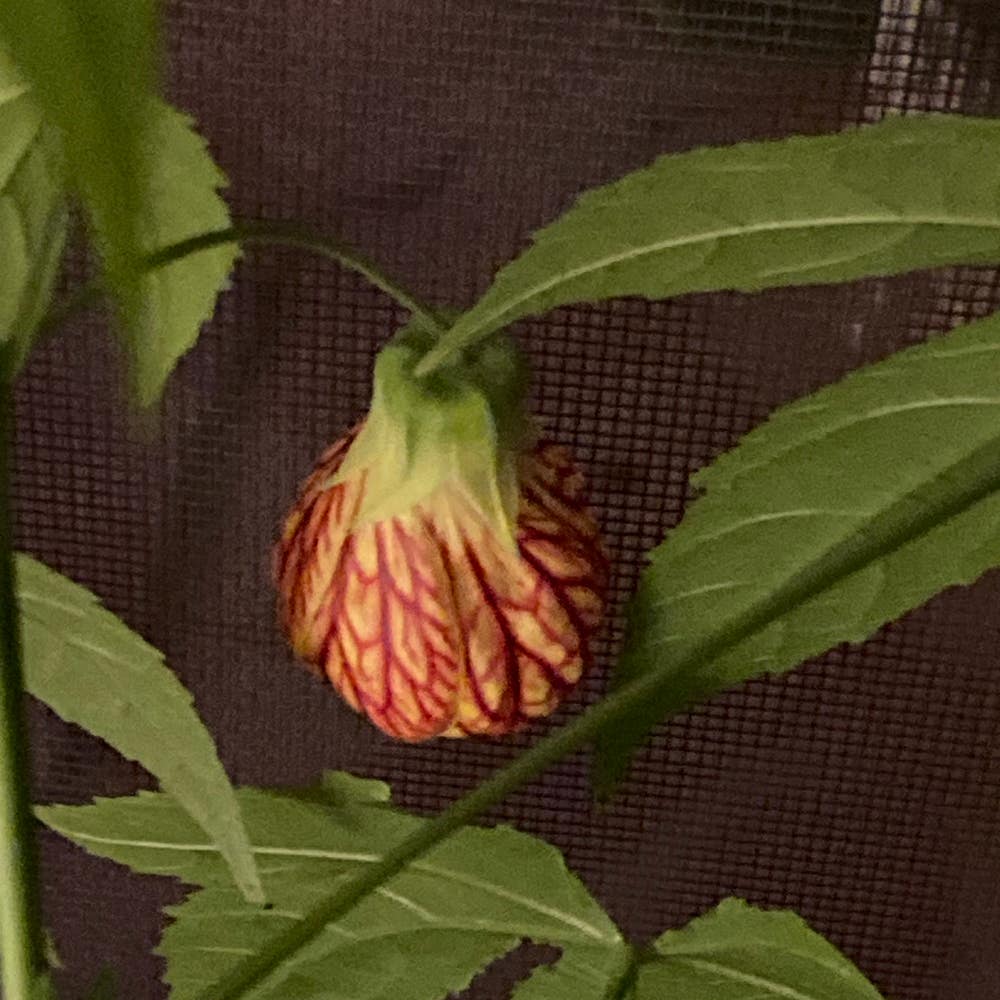
Abutilon 'Lucky Lantern Tangerine' Falling Over
Abutilon 'Lucky Lantern Tangerine'
By the Greg Editorial Team
Jul 24, 2024•3 min read
This article was created with the help of AI so we can cover more plants for you. May contain errors. See one? Report it here.
- 🌱 Over/underwatering, light, temperature affect Abutilon 'Lucky Lantern Tangerine' stability.
- 💧🌞 Adjust watering, lighting, and temperature to prevent drooping leaves.
- 🛠️ Use soil management and pruning for a robust, upright plant.
Diagnosing the Issue
🌊 Inspecting for Overwatering
Overwatering can leave your Abutilon 'Lucky Lantern Tangerine' with leaves as limp as a neglected salad. Look for these telltale signs:
- Yellow leaves with brown spots
- Swollen, translucent leaves that may burst
- Soil that feels like a swamp
Remember, the goal is to keep the soil moist like a wrung-out sponge, not a waterlogged bog.
🏜️ Checking for Underwatering
Underwatering, on the other hand, turns leaves brittle and brown at the tips. Your plant's leaves might curl upwards, signaling a desperate need for water. Before reaching for the watering can, check the soil an inch below the surface—it should be dry, not dust-like.
🌞 Evaluating Light Conditions
Leaves that stretch out or appear bleached are crying out for proper lighting. Your Abutilon needs that perfect balance of light—not too harsh, not too dim—to keep from falling over.
🌡️ Assessing Temperature Effects
Temperature swings can wreak havoc on your plant's leaves, causing them to droop or roll up to conserve moisture. Aim for a consistent temperature range that mimics the warm, stable environment Abutilon 'Lucky Lantern Tangerine' thrives in.
Corrective Measures
Adjusting Watering Habits Watering your Abutilon 'Lucky Lantern Tangerine' correctly is crucial for preventing its leaves from falling over. Here's how to strike the right balance:
- Establish a Routine: Water when the top inch of soil feels dry to the touch.
- Monitor and Adapt: Be flexible and adjust your watering schedule based on the plant's response, climate, and season.
- Use Tools: A moisture meter can provide an accurate indication of when to water, helping to maintain consistent soil moisture.
🌞 Optimizing Light Exposure Proper lighting is essential for keeping your plant upright and healthy. Follow these tips to ensure your Abutilon 'Lucky Lantern Tangerine' gets just the right amount of light:
- Bright, Indirect Sunlight: Position the plant where it can receive plenty of indirect light.
- Rotate Regularly: Turn the plant periodically to promote even growth.
- Consider Grow Lights: If natural sunlight is insufficient, supplement with grow lights, adjusting them to mimic natural daylight hours.
Regulating Temperature Temperature plays a significant role in the health of your Abutilon 'Lucky Lantern Tangerine'. To prevent leaves from drooping, maintain a stable environment:
- Avoid Drafts and Chills: Keep the plant away from cold drafts and sudden temperature changes.
- Consistent Climate: Use climate control or a consistent room temperature to mimic the plant's natural habitat.
- Humidity Matters: Maintain a moderate level of humidity, considering the use of a humidifier or other methods to achieve this.
Strengthening Plant Health
🌱 Soil and Nutrient Management
A thriving Abutilon 'Lucky Lantern Tangerine' starts with the soil. It's the foundation that supports everything above ground. Here's how to ensure your soil is up to the task:
- Choose a well-draining potting mix to prevent waterlogged roots.
- Enrich the soil with organic matter like compost to boost nutrient content.
- Apply a balanced fertilizer, but avoid over-fertilization which can weaken the plant's structure.
🛠 Structural Support
Sometimes, your plant needs a little help standing tall. Here's when and how to offer a helping hand:
- Use stakes or trellises for young or top-heavy plants to prevent leaning.
- Ensure the pot size is appropriate to the plant's size for optimal stability.
✂️ Pruning for Vigor
Pruning is essential for a strong, upright plant. It's not just about aesthetics; it's about promoting healthy growth:
- Prune during the dormant season to shape the plant and prevent weak, leggy growth.
- Remove any crossing, rubbing, or incorrectly growing branches to improve structure and airflow.
- Regularly snip away to encourage bushier growth and a more robust plant.
⚠️ Safety First
This content is for general information and may contain errors, omissions, or outdated details. It is not medical, veterinary advice, or an endorsement of therapeutic claims.
Always consult a qualified healthcare professional before using any plant as food, medicine, or supplement.
Never eat any plant (or feed one to pets) without confirming its identity with at least two trusted sources.
If you suspect poisoning, call Poison Control (800) 222-1222, the Pet Poison Helpline (800) 213-6680, or your local emergency service immediately.
Spotted an error? Please report it here.
Keep your Abutilon 'Lucky Lantern Tangerine' from toppling over 🌱 with Greg's personalized reminders for watering, lighting, and temperature control.