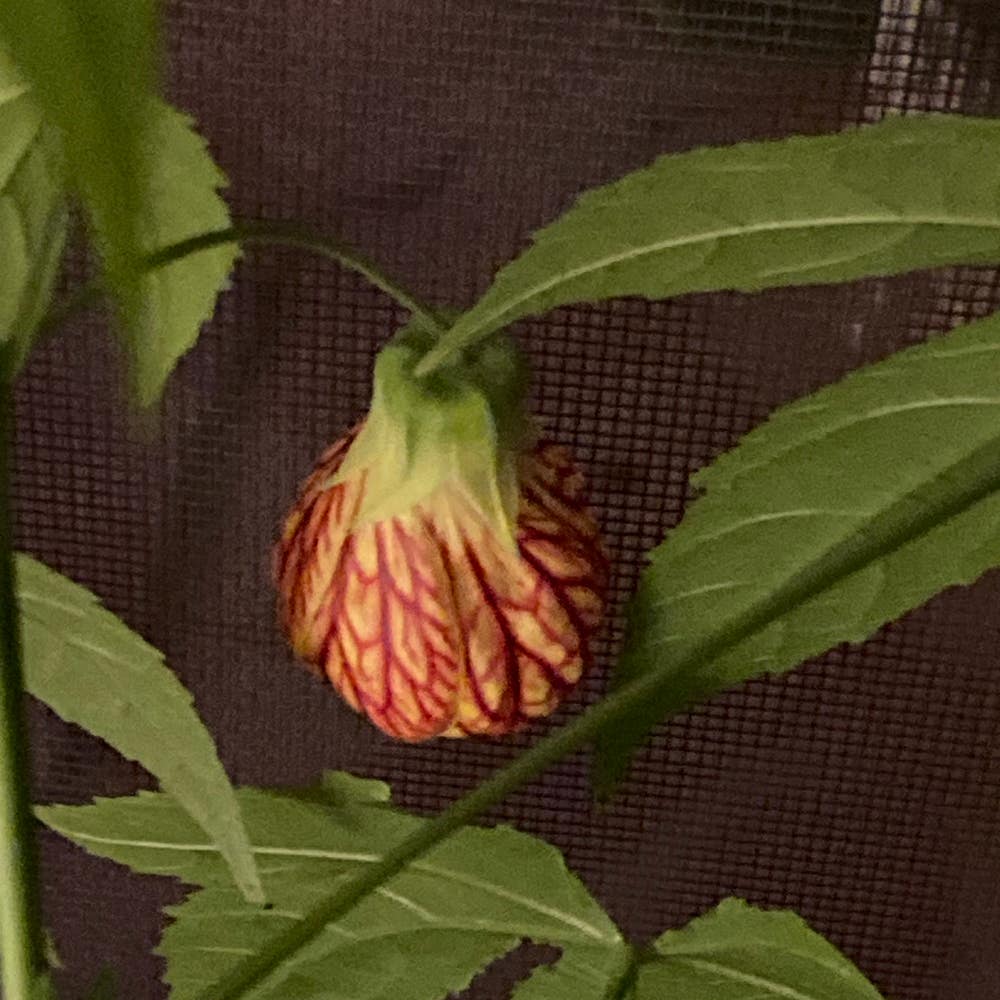
Why Abutilon 'Lucky Lantern Tangerine' Leaves Turn Yellow
Abutilon 'Lucky Lantern Tangerine'
By the Greg Editorial Team
Jul 24, 2024•5 min read
This article was created with the help of AI so we can cover more plants for you. May contain errors. See one? Report it here.
- 🍂 Promptly address yellow leaves to prevent further distress in 'Lucky Lantern Tangerine'.
- 💦🌞 Balance watering, light, and nutrients to maintain healthy, green foliage.
- 🐛 Regular pest and disease checks ensure early treatment and prevention.
Identifying Yellow Leaves
Yellow leaves on your Abutilon 'Lucky Lantern Tangerine' can be a red flag, indicating that your plant may be in distress. It's crucial to recognize these signs early to address any issues promptly.
1. Symptoms and Diagnosis
Yellowing leaves often lose their lush green color, turning a pale or patchy yellow. They might also feel limp, lacking their usual firmness. Here's how to tell if it's a cause for concern or just a natural part of the plant's life cycle:
- Check if the yellowing is uniform or if it appears in specific patterns.
- Observe whether it's the older, lower leaves that are yellowing, which could be a sign of natural aging.
- Look for other symptoms like drooping or a general decline in plant vigor, which could indicate a deeper problem.
🚨 2. Common Causes
Several factors can contribute to the yellowing of leaves in Abutilon 'Lucky Lantern Tangerine':
- Overwatering or underwatering, leading to stress on the plant.
- Nutrient deficiencies, particularly nitrogen, potassium, or phosphorus.
- Improper light exposure, whether too much direct sunlight or insufficient light.
- Pest infestations or diseases that may affect the plant's overall health.
Watering and Soil Moisture
Watering is more art than science, directly influencing the vibrancy of your Abutilon 'Lucky Lantern Tangerine' leaves.
1. 💧 Proper Watering Techniques
Watering your plant correctly is essential to prevent the dreaded yellow leaf. Here's how to nail it:
- Always check the soil moisture before watering; it should be dry a couple of inches down.
- Water deeply, allowing excess to drain, and then wait for the soil to dry out before the next session.
- Adjust your watering frequency with the seasons—less in winter, more when it's growing.
For soil moisture checks, consider these tools:
- Use your finger as a simple gauge.
- Invest in a moisture meter for a more precise reading.
2. 🌱 Soil Considerations
The right soil mix can make all the difference in maintaining that lush green foliage.
- Ensure your soil is well-draining to prevent waterlogging, which can lead to yellow leaves.
- Aim for a slightly acidic soil pH, below 7.0, to help your plant absorb nutrients effectively.
To tweak soil moisture levels:
- Mix in peat moss or vermiculite to increase water retention.
- Add perlite or sand to enhance drainage if the soil is too compacted.
Light and Nutrient Balance
Abutilon 'Lucky Lantern Tangerine' thrives when its light and nutrient needs are met with precision. Let's explore how to achieve that balance.
💡 Lighting Requirements
Bright, indirect light is the sweet spot for your 'Lucky Lantern Tangerine'. Direct sunlight can be too intense, causing leaf burn, while low light may lead to yellowing.
- Position the plant in a spot that receives filtered sunlight throughout the day.
- Use sheer curtains or blinds to diffuse direct sunlight.
- Rotate your plant periodically to ensure even light exposure.
- Consider grow lights if natural light is insufficient, focusing on the red spectrum to encourage blooming.
🍽️ Fertilization Practices
Choosing the right fertilizer and applying it correctly are crucial to preventing yellow leaves.
- Opt for a balanced, slow-release fertilizer that caters to flowering shrubs.
- Fertilize during the growing season, following the manufacturer's instructions to avoid overfeeding.
- Water your plant before applying fertilizer to prevent root burn.
- Monitor your plant for signs of nutrient deficiency or excess, and adjust your fertilization routine accordingly.
- Include micronutrients in your fertilization plan, as deficiencies in elements like iron and manganese can lead to yellowing leaves.
Pest and Disease Control
Yellow leaves on your Abutilon 'Lucky Lantern Tangerine' can be a distress signal, often due to uninvited pests or diseases. Let's dive into how to identify these issues and kick them to the curb.
1. 🌿 Organic and Chemical Treatments
When your plant's leaves start to yellow, it's time to play detective. Look out for common culprits like mealybugs, spider mites, and aphids, which can suck the life out of your plant. Here's how to fight back:
- Start with insecticidal soaps or horticultural oils for a gentle approach.
- For more stubborn issues, like fungal diseases, consider systemic fungicides.
- Always remove any infected parts to prevent the disease from spreading.
- Apply treatments with precision, focusing on affected areas to avoid harming the plant.
2. 💪 Preventive Care
Prevention is your plant's best armor. Regular check-ups can catch problems early, when they're easier to manage. Here's your preventive care checklist:
- Inspect leaves regularly, looking for pests or signs of disease.
- Prune away any yellowing or dead leaves to reduce hiding spots for pests.
- Ensure good drainage and air circulation around your plant.
- Keep the plant strong with proper nutrition, making it less inviting to pests.
- Remember, a clean plant is a resilient plant—wipe those leaves down as part of your routine care.
Maintaining Healthy Foliage
Keeping the Abutilon 'Lucky Lantern Tangerine' in top condition requires a blend of vigilance and adaptability. Here's how to ensure your plant's leaves stay as vibrant as its namesake fruit.
1. 🌿 Monitoring and Adjustments
Regular check-ups are the key to vibrant foliage. Here's how to stay on top of your plant's health:
- Schedule weekly inspections to spot early signs of yellowing or other stress indicators.
- Keep a log of your plant's condition and your care routine to track progress and identify patterns.
- Adjust care practices with precision based on your observations, such as modifying watering frequency or changing the plant's location to receive optimal light.
2. 🌸 Seasonal Considerations
Each season brings its own set of challenges and opportunities for the Abutilon 'Lucky Lantern Tangerine':
- In spring and summer, increase watering and fertilize every few weeks with a balanced fertilizer.
- During fall, prepare the plant for dormancy by reducing watering and stopping fertilization.
- In winter, ensure the plant is protected from cold drafts and provide less water, but monitor humidity levels.
- Use artificial lighting to extend or reduce daylight hours, mimicking natural light cycles to trigger healthy growth phases.
⚠️ Safety First
This content is for general information and may contain errors, omissions, or outdated details. It is not medical, veterinary advice, or an endorsement of therapeutic claims.
Always consult a qualified healthcare professional before using any plant as food, medicine, or supplement.
Never eat any plant (or feed one to pets) without confirming its identity with at least two trusted sources.
If you suspect poisoning, call Poison Control (800) 222-1222, the Pet Poison Helpline (800) 213-6680, or your local emergency service immediately.
Spotted an error? Please report it here.
Keep your 'Lucky Lantern Tangerine' leaves vibrant by letting Greg monitor and adjust 🌿 your plant care, banishing yellow distress signals with ease!