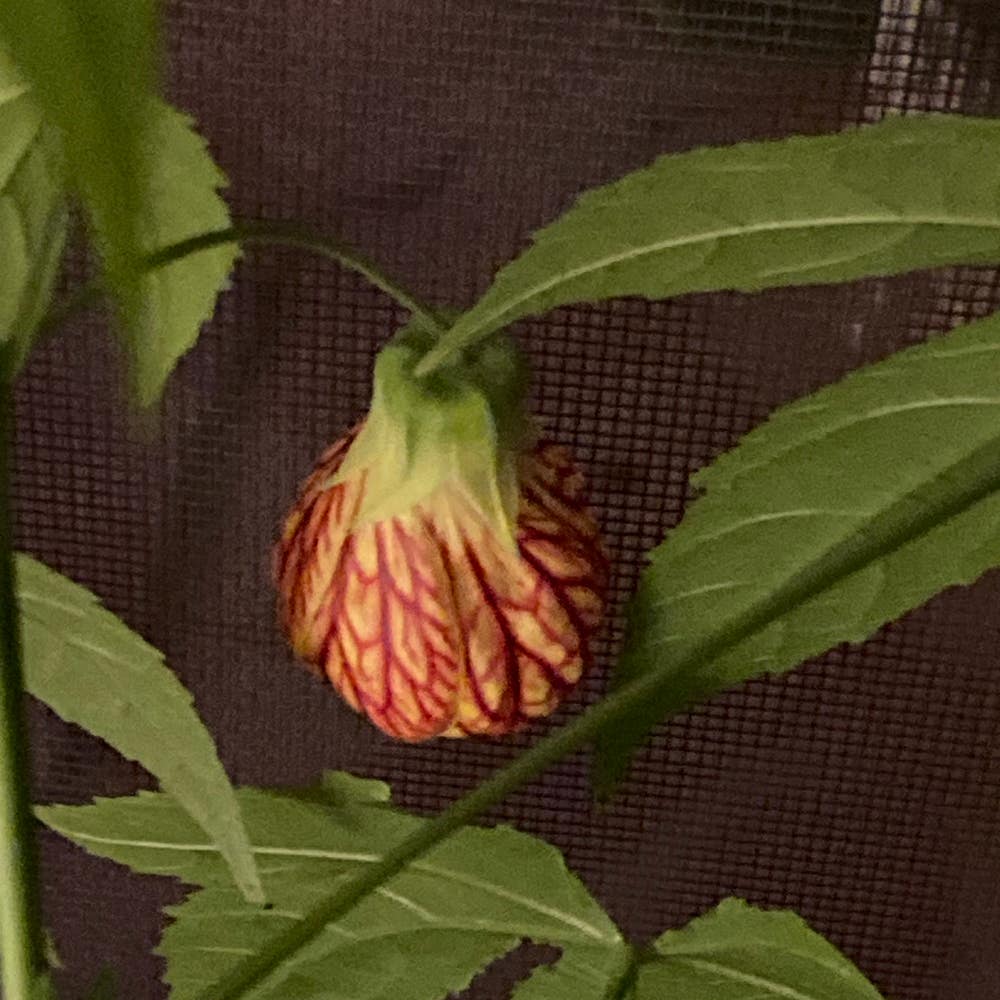
7 Tips for How to Plant Abutilon 'Lucky Lantern Tangerine'
Abutilon 'Lucky Lantern Tangerine'
By the Greg Editorial Team
Jul 24, 2024•4 min read
This article was created with the help of AI so we can cover more plants for you. May contain errors. See one? Report it here.
- 🌱 Seed vs. Transplant: Cost, time, adaptability, and preference guide your choice.
- 🕑 Seeds need timing, soil knowledge, and care; transplanting offers a quicker start.
- 🛡️ Combat challenges: Manage germination, transplant shock, pests, and diseases effectively.
Choosing Your Method
When you're ready to add the vibrant Abutilon 'Lucky Lantern Tangerine' to your garden, deciding whether to start from seeds or transplant seedlings is crucial. Here's a breakdown to help you choose the best route for your green oasis.
Seed Starting Advantages:
- Seeds can be more cost-effective, especially if you need many plants.
- Starting from seeds may offer a wider variety of plant traits.
- You gain the satisfaction of watching your plants grow from the very beginning.
Transplanting Benefits:
- Transplants give you a head start on the growing season.
- Established seedlings are typically more resilient to environmental stress.
- The process is less labor-intensive compared to nurturing seeds.
Cost and Time Considerations:
- Seeds usually cost less but require more time and attention to germinate.
- Transplants are more expensive but can save time and effort.
Local Adaptability Factors:
- Choose seeds or plants that are well-suited to your local climate and soil conditions.
- Consider the micro-environment of your garden, such as sun exposure and drainage.
- Local garden centers often provide varieties that perform well in your area.
🌱 Remember, each method has its merits, and your choice might hinge on personal preference, available space, or the particular growing conditions in your garden.
Starting from Seeds
Starting Abutilon 'Lucky Lantern Tangerine' from seeds is an exciting journey that begins with understanding the right timing and conditions for sowing.
🕰️ Timing Seed Sowing
- Start seeds indoors 6-8 weeks before the last expected frost to give your seedlings a head start.
- Abutilon seeds typically germinate within 2-3 weeks under ideal conditions.
🌱 Selecting Soil and Containers
- Use a well-draining soil mix, combining potting soil, coarse sand, and perlite.
- Choose containers with drainage holes to prevent waterlogging, such as seedling trays or small pots.
🌾 Sowing Depth and Spacing
- Sow seeds at a shallow depth, approximately 1/4 inch, to ensure they receive adequate light.
- Space seeds at least an inch apart to allow for growth and easy transplantation later.
🌡️ Germination Requirements
- Maintain a consistent temperature of 70-75°F (21-24°C) for optimal germination.
- Keep the soil moist but not waterlogged; a spray bottle can help regulate moisture.
🌱 Seedling Growth Conditions
- Provide seedlings with 16 hours of light daily, using grow lights if natural light is insufficient.
- Once seedlings develop a second set of true leaves, fertilize with a half-strength solution.
🌿 Hardening Off Seedlings
- Gradually acclimate seedlings to outdoor conditions over 7-10 days before planting them outside.
- Begin with a few hours of outdoor exposure, progressively increasing each day to avoid shock.
Transplanting Seedlings
Transplanting your Abutilon 'Lucky Lantern Tangerine' seedlings is a pivotal moment in their journey to full bloom.
🕰️ Timing the Transplant
- Choose a day when the weather is mild to avoid stressing the plants.
- Ensure the seedlings are well-established with a robust root system before transplanting.
🌱 Transplanting Step-by-Step
- Water the seedlings before starting to ease the removal from their containers.
- Dig a hole twice as wide as the root ball but just as deep to encourage horizontal root growth.
- Gently place the seedling in the hole, being careful not to disturb the roots.
- Backfill the hole with soil, pressing down lightly to eliminate air pockets.
🌿 Plant Spacing and Soil Backfill
- Space the plants about 18 inches apart to give them ample room to grow.
- Use a mix of garden soil and compost to backfill, providing nutrients for growth.
💧 Post-Transplant Care
- Water the seedlings immediately after transplanting to help settle the soil.
- Apply a layer of mulch to retain moisture and regulate soil temperature.
- Keep an eye on the weather; provide shade or shelter if extreme conditions are forecasted.
Overcoming Planting Challenges
Gardening is full of surprises, but with the right knowledge, you can turn setbacks into growing successes. Let's tackle the common challenges you might face when planting Abutilon 'Lucky Lantern Tangerine'.
🌱 Managing Poor Germination
- Ensure seeds are fresh and sourced from a reliable supplier.
- Use a well-draining soil mix and maintain consistent moisture without waterlogging.
- Provide warmth, as germination may be inhibited by cold temperatures.
🌿 Mitigating Transplant Shock
- Water your plants thoroughly before and after transplanting to ease the transition.
- Gradually acclimate seedlings to outdoor conditions over a week to strengthen their resilience.
- Protect transplanted seedlings with shade or windbreaks if extreme weather is forecasted.
🐛 Addressing Pests and Diseases
- Inspect plants regularly for early signs of infestation or disease.
- Implement organic pest control methods, such as introducing beneficial insects or using neem oil.
- Remove and destroy any diseased plant parts to prevent the spread of pathogens.
By being proactive and attentive, you can overcome these challenges and help your Abutilon 'Lucky Lantern Tangerine' thrive.
⚠️ Safety First
This content is for general information and may contain errors, omissions, or outdated details. It is not medical, veterinary advice, or an endorsement of therapeutic claims.
Always consult a qualified healthcare professional before using any plant as food, medicine, or supplement.
Never eat any plant (or feed one to pets) without confirming its identity with at least two trusted sources.
If you suspect poisoning, call Poison Control (800) 222-1222, the Pet Poison Helpline (800) 213-6680, or your local emergency service immediately.
Spotted an error? Please report it here.
Grow your Abutilon 'Lucky Lantern Tangerine' from seed to bloom with effortless precision 🌱 using Greg's tailored reminders and expert community insights.