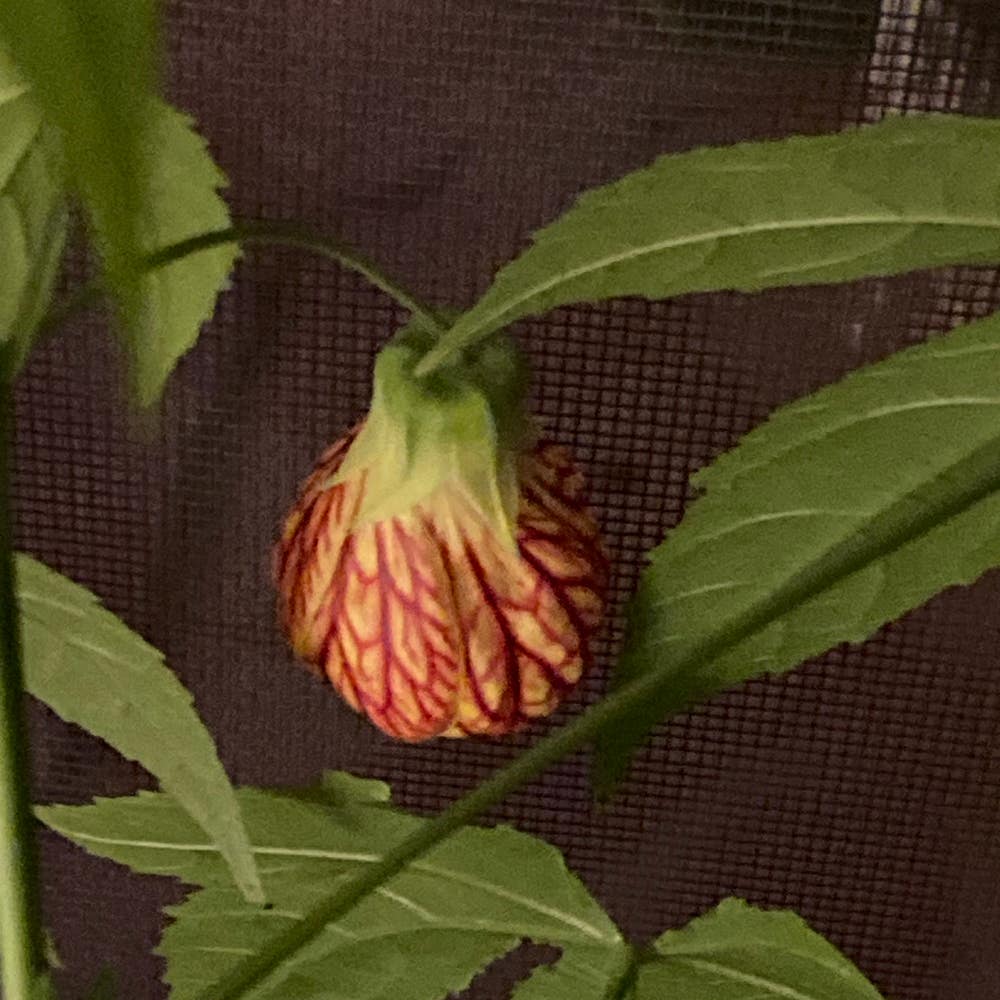
How to Propagate Your Abutilon 'Lucky Lantern Tangerine'
Abutilon 'Lucky Lantern Tangerine'
By the Greg Editorial Team
Jul 24, 2024•6 min read
This article was created with the help of AI so we can cover more plants for you. May contain errors. See one? Report it here.
- 🌱 Choose healthy stems and use rooting hormone for successful stem cutting propagation.
- 🌞🌿 Air layering requires moss, plastic wrap, and humidity control for root development.
- 🤲 Patience and care in propagation lead to rewarding gardening experiences and community sharing.
Stem Cutting Propagation
🌱 Selecting and Preparing Cuttings
To kickstart your propagation, scout for the healthiest stems on your Abutilon 'Lucky Lantern Tangerine'. Here's how to prep them:
- Look for stems that are vibrant, firm, and free of any pests or diseases.
- Use sterilized shears to make a clean cut just below a leaf node, about 4-6 inches long.
- Strip off the lower leaves to avoid rot and focus energy on root growth.
- Allow the cutting to callous for a few days to minimize the risk of rot when planted.
🌿 Rooting and Planting
Rooting your cuttings is like setting the stage for a grand debut. Follow these steps:
- Dip the calloused end into rooting hormone to turbocharge root development.
- Plant the cutting in a well-draining soil mix, burying at least one node.
- Water it just enough to moisten the soil without making it soggy.
🌺 Aftercare for Cuttings
Your cuttings now need a bit of TLC to thrive. Here's what to do:
- Place the pot in a spot with bright, indirect light and maintain a warm environment.
- Keep the soil consistently moist, but be careful not to overwater.
- Patience is key; roots take time to develop, so give your cuttings the chance to grow at their own pace.
Air Layering Technique
🪴 Preparing for Air Layering
Air layering begins with selecting the right stem on your Abutilon 'Lucky Lantern Tangerine'. Look for a stem that's healthy and has grown in the current or previous season. Here's how to get started:
- Choose a vigorous stem that's as thick as a pencil or slightly larger.
- Strip away any leaves from a 3-4 inch section where you'll be working.
- Make two circular cuts around the stem about an inch apart and remove the bark between them to expose the cambium layer.
- Dust the exposed area with rooting hormone to promote root development.
🌱 Encouraging Root Growth
Once you've prepared the stem, it's time to create the right environment for roots to form. Follow these steps:
- Soak sphagnum moss in water for 20-30 minutes, then squeeze out excess water.
- Wrap the moist sphagnum moss around the treated stem section, ensuring it's snug but not too tight.
- Cover the moss with clear plastic wrap to maintain humidity and secure it with wire or twist ties.
🌿 Aftercare for Air Layers
Caring for your air layer is crucial for successful root development. Keep these tips in mind:
- Monitor the moisture level of the moss, keeping it moist like a wrung-out sponge.
- Check for root growth after a few months by looking for condensation on the plastic or gently tugging on the stem.
- Once roots are visible, cut the stem below the new roots and pot your new Abutilon 'Lucky Lantern Tangerine' plant.
Division Propagation
🌱 Dividing Mature Plants
Dividing your Abutilon 'Lucky Lantern Tangerine' is like giving it a new lease on life. The best time to do this is in the spring or early fall, when the plant's growth is most vigorous. Here's how to ensure a successful division:
- Gently lift the plant from its pot or the ground, taking care not to damage the roots.
- Examine the root ball for natural separations, which are your guides for where to divide.
- Use a clean, sharp knife to separate the plant into sections, each with a good mix of roots and shoots.
- Handle the new divisions with care, as these will become your future plants.
🏡 Replanting Divisions
Once you have your divisions, it's time to give them a new home. Follow these steps to replant:
- Prepare pots with well-draining soil, similar to what your mature plant was thriving in.
- Plant each division at the same depth it was previously growing.
- Water the soil generously to help settle the roots and reduce transplant shock.
🌿 Aftercare for Divisions
After replanting, your divisions will need some TLC to recover and grow strong. Keep these tips in mind:
- Provide bright, indirect light; direct sunlight can be too intense for new divisions.
- Maintain consistent moisture in the soil, but avoid waterlogging, which can lead to root rot.
- Watch for new growth as an indicator of successful propagation and gradually transition to regular care.
Seed Propagation
🌱 Collecting and Preparing Seeds
Gathering seeds from your Abutilon 'Lucky Lantern Tangerine' is straightforward. Once the plant's flowers have faded, look for the dry seed pods. Here's how to prep them for planting:
- Wait for the pods to dry on the plant, then pluck them carefully.
- Open the pods to collect the seeds, discarding any plant debris.
- For best results, soak the seeds overnight to soften their coats.
🌿 Sowing and Germination
Creating the perfect nursery for your seeds is crucial for germination. Follow these steps to get your seeds sprouting:
- Sow seeds on the surface of a well-draining soil mix.
- Cover them with a light sprinkle of soil or fine vermiculite.
- Keep the soil warm and consistently moist, but not waterlogged.
- Be patient; germination can take a few weeks, depending on conditions.
🌱 Aftercare for Seedlings
Once your seedlings emerge, they'll need a bit of TLC to thrive. Here's how to care for them:
- Provide bright, indirect light and maintain even soil moisture.
- When the first true leaves develop, start planning for transplanting.
- Gradually acclimate them to more direct light as they grow.
Troubleshooting Propagation
🌱 Common Propagation Challenges
Propagation can be tricky, and even the most attentive gardeners can run into issues. Let's tackle the big ones:
- Root Rot: This soggy setback often stems from overwatering. If your cuttings have gone mushy, cut away the rot, let the soil dry out a bit, and cross your fingers.
- Pest Invasions: Unwanted guests like aphids and mealybugs can wreak havoc. Keep a close eye out and show them the door with a gentle insecticidal soap.
- Stunted Growth: If your plant's growth is as slow as a snail, reassess your watering and lighting. Sometimes, a slight tweak is all it takes.
🚫 Preventative Measures
Prevention is your best defense in the propagation game. Here's how to stay ahead:
- Water Wisely: Overwatering is the root of all evil in propagation. Water only when the top inch of soil is dry.
- Drainage is King: Ensure your pots have drainage holes to prevent water from overstaying its welcome.
- Sterilize Your Tools: Keep your tools as clean as a surgeon's to prevent spreading disease.
- Patience Pays Off: Rushing can ruin roots. Give your plants time to grow at their own pace.
Remember, every challenge is a chance to grow your green thumb. Keep at it, and you'll soon have a propagation victory on your hands.
Wrapping Up Propagation
Embarking on the propagation journey of Abutilon 'Lucky Lantern Tangerine' is not just about growing new plants—it's a gateway to a deeply rewarding gardening experience. As you snip, plant, and nurture, you're not only expanding your garden but also cultivating patience and skill.
- Revel in the transformation of a simple cutting into a vibrant, flowering marvel.
- Share your propagation triumphs with fellow plant enthusiasts, fostering a sense of community and mutual learning.
Remember, each new leaf and root is a testament to your care and dedication. So, take pride in your propagation prowess and enjoy the flourishing results of your green thumb. Happy gardening!
⚠️ Safety First
This content is for general information and may contain errors, omissions, or outdated details. It is not medical, veterinary advice, or an endorsement of therapeutic claims.
Always consult a qualified healthcare professional before using any plant as food, medicine, or supplement.
Never eat any plant (or feed one to pets) without confirming its identity with at least two trusted sources.
If you suspect poisoning, call Poison Control (800) 222-1222, the Pet Poison Helpline (800) 213-6680, or your local emergency service immediately.
Spotted an error? Please report it here.
Turn your Abutilon 'Lucky Lantern Tangerine' propagation into a triumph 🏆 with Greg's personalized care reminders and community support!