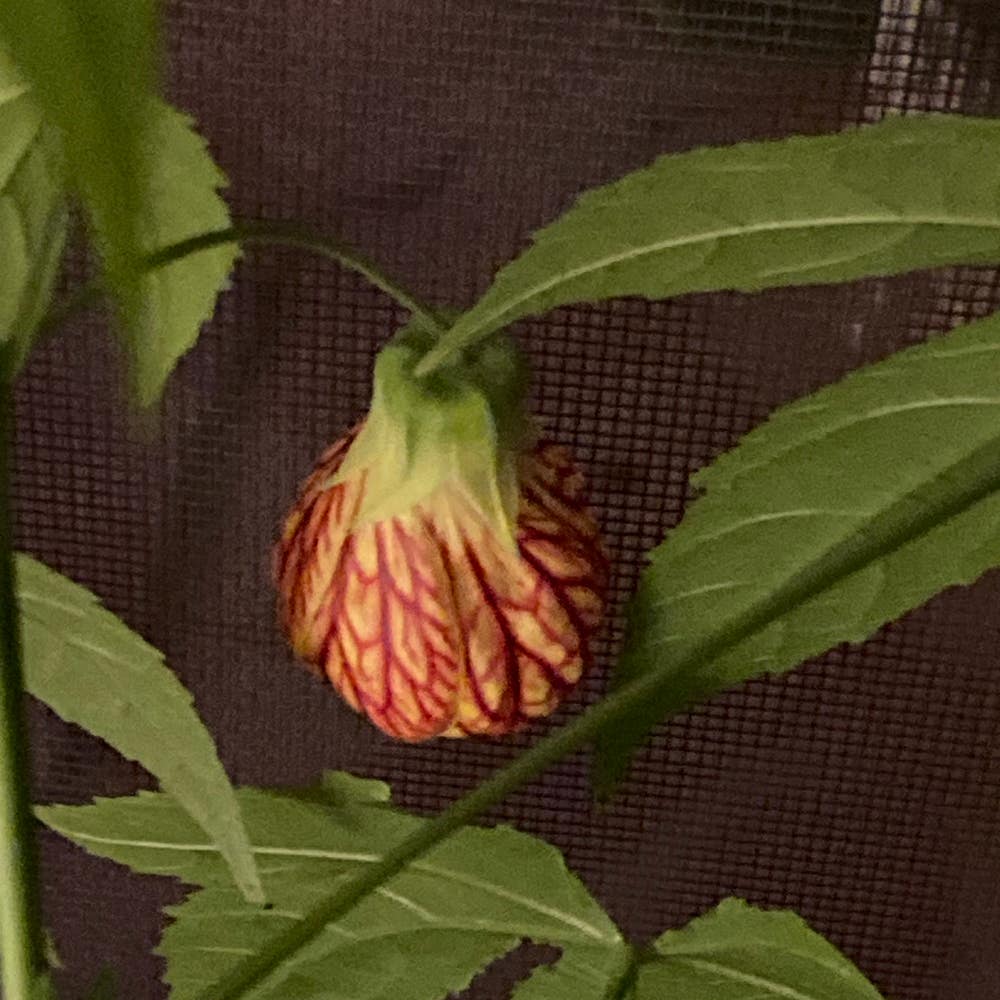
How Often To Fertilize Abutilon 'Lucky Lantern Tangerine'?
Abutilon 'Lucky Lantern Tangerine'
By the Greg Editorial Team
Jul 24, 2024•4 min read
This article was created with the help of AI so we can cover more plants for you. May contain errors. See one? Report it here.
- 🌡️ 68°F-72°F day, 55°F-60°F night optimal for growth and flowering.
- 🍂 Watch for wilting, discoloration as signs of temperature stress.
- 🛡️ Protect from drafts, sudden changes to prevent stress and maintain health.
Optimal Temperature Range
🌡️ Ideal Conditions
Abutilon 'Lucky Lantern Tangerine' flourishes in a warm and cozy temperature range. Here's the sweet spot for this vibrant plant:
- Daytime temperatures should hover between 68°F to 72°F (20°C to 22°C).
- At night, a slight dip to 55°F to 60°F (13°C to 16°C) is ideal.
These conditions mimic the plant's natural environment, setting the stage for healthy growth and abundant flowering.
🌡️ Temperature Consistency
Why is a steady temperature regime a big deal for Abutilon 'Lucky Lantern Tangerine'? Here's the lowdown:
- Consistent temperatures prevent stress, allowing the plant to focus on growth and blooming.
- Fluctuations can disrupt the plant's internal processes, leading to a lackluster display or even a halt in flowering.
Think of it as maintaining a comfortable rhythm for your plant's life cycle, avoiding the hiccups that come with sudden changes.
Recognizing Temperature Stress
Symptoms of Stress
😓 Abutilon 'Lucky Lantern Tangerine' communicates discomfort through its foliage. Look for these clear signs:
- Leaves wilting or drooping, as if they're too exhausted to hold themselves up.
- Discoloration, with leaves turning yellow or brown, signaling they're not in their happy zone.
- Stunted growth, where the plant seems to hit an invisible ceiling, unable to reach its full potential.
Stress Triggers
🌡️ Several temperature-related factors can send your Abutilon into a state of stress:
- Drafts, the silent saboteurs, can cause sudden temperature drops.
- Proximity to heat sources or cold windows can create microclimates that are too extreme for the plant.
- Sudden changes in temperature, akin to jumping into a cold pool after a sauna, can shock the plant's system.
Long-Term Temperature Effects
Growth and Flowering
🌡️ Abutilon 'Lucky Lantern Tangerine' thrives when the mercury hits its sweet spot. Straying too far from its ideal temperature range can lead to stunted growth and a lackluster floral display. Over time, the wrong temperatures can mean fewer blooms and a plant that struggles to reach its full potential.
- Temperatures above or below 70-90°F (21-32°C) can disrupt the plant's flowering cycle.
- Consistent temperatures support the transition from vegetative growth to the blooming stage.
Recovery Tips
🌱 If your Abutilon has suffered from temperature stress, don't fret—recovery is possible with a bit of care. Here's how to nurse it back to health:
- Relocate the plant to an area with stable, optimal temperatures.
- Trim any damaged foliage to redirect energy to healthy growth.
- Monitor the plant for signs of recovery, such as new leaves or buds.
Remember, patience is key; it may take time for your Abutilon to bounce back fully.
Temperature and Humidity Balance
Temperature and humidity are closely linked in the world of plant care, and the Abutilon 'Lucky Lantern Tangerine' is no exception. Just as this plant requires a specific temperature range to flourish, the humidity level around it can amplify or mitigate the effects of that temperature.
- High temperatures paired with high humidity can push the plant's environment towards excessive moisture, which may lead to stress and potential disease.
- Conversely, high temperatures with low humidity can cause the plant to dehydrate, leading to stress symptoms like wilting or leaf scorch.
- In cooler conditions, high humidity can chill the plant, slowing its growth and potentially causing rot, while low humidity can make the cold more bearable.
To keep your Abutilon 'Lucky Lantern Tangerine' in top shape, aim for a balance that mimics its natural habitat—a moderate and stable environment where temperature and humidity dance together in harmony.
Maintaining Ideal Temperatures
To keep your Abutilon 'Lucky Lantern Tangerine' thriving, it's essential to maintain a temperature range that mimics its natural habitat. Here's how to do it:
- Monitor Regularly: Use a thermometer to check the temperature around your plant frequently. This helps you catch any drastic changes that could stress the plant.
- Seasonal Adjustments: Be mindful of the changing seasons. During summer, provide shade to protect the plant from intense heat. In winter, move the plant to a warmer spot if necessary or use frost blankets to shield it from cold.
- Strategic Positioning: Place your plant in a location where it can enjoy morning sun, which is less intense than the afternoon rays. Also, ensure it's protected from strong winds which can cause rapid temperature fluctuations.
- Elevation and Relocation: Elevate the plant off cold ground during winter months. For potted plants, consider bringing them indoors or to a sheltered area when extreme temperatures are expected.
- Grouping Plants: Positioning your Abutilon 'Lucky Lantern Tangerine' near other plants can create a microclimate that helps stabilize temperature and slightly increase humidity.
- Consistent Environment: Aim for a stable environment; avoid placing your plant near drafty areas or heat sources that can cause temperature swings.
- Utilize Technology: For those who love gadgets, smart home devices can automate temperature control, ensuring your plant remains in its comfort zone without constant manual adjustments.
⚠️ Safety First
This content is for general information and may contain errors, omissions, or outdated details. It is not medical, veterinary advice, or an endorsement of therapeutic claims.
Always consult a qualified healthcare professional before using any plant as food, medicine, or supplement.
Never eat any plant (or feed one to pets) without confirming its identity with at least two trusted sources.
If you suspect poisoning, call Poison Control (800) 222-1222, the Pet Poison Helpline (800) 213-6680, or your local emergency service immediately.
Spotted an error? Please report it here.
Ensure your Abutilon 'Lucky Lantern Tangerine' enjoys optimal growth 🌡 by leveraging Greg to monitor and adjust temperatures seamlessly for year-round blooms!