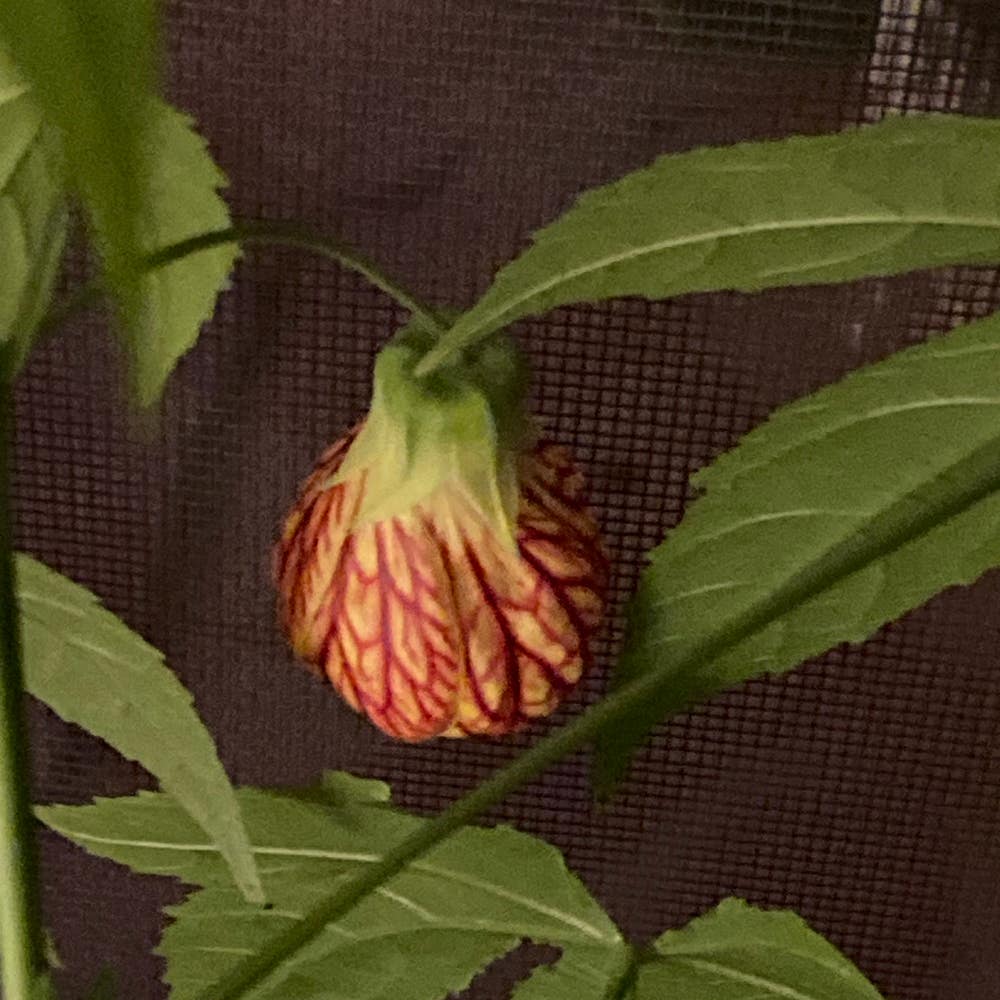
Abutilon 'Lucky Lantern Tangerine' Black Spots
Abutilon 'Lucky Lantern Tangerine'
By the Greg Editorial Team
Jul 25, 2024•4 min read
This article was created with the help of AI so we can cover more plants for you. May contain errors. See one? Report it here.
- 🕵️♂️ Early detection of black spots is key for a healthy Abutilon.
- 🌱 Adjust care routines to prevent and treat black spots effectively.
- ✂️ Prune and sanitize to stop the spread of black spot disease.
Identifying Black Spots
Recognizing Symptoms
🕵️♂️ Early detection of black spots on Abutilon 'Lucky Lantern Tangerine' leaves is key to maintaining plant health. Look for:
- Dark lesions on the foliage, potentially with concentric rings or feathery edges.
- Tiny black dots within the spots, which could be fungal fruiting bodies.
- A yellow halo surrounding the spot, indicating a possible fungal issue rather than a simple blemish.
- Changes in leaf texture at the spot, such as raised, sunken, or slimy areas.
Differentiate black spots from other issues by noting:
- Uniformity: Disease-related spots often look out of place, while natural markings are usually consistent.
- Texture: Disease spots may feel different from the rest of the leaf, while natural variations typically do not alter texture.
- Spread: If spots are spreading or accompanied by yellowing leaves, consider a fungal or bacterial cause.
Assessing Severity
📊 Evaluate the impact of black spots on your plant:
- Count the number of spots and note their size; a few small spots may be less concerning than widespread coverage.
- Observe the plant's overall health; if spots are accompanied by leaf drop or wilting, it's time for immediate action.
Consider professional advice if:
- The spots rapidly increase in number or size.
- Home remedies fail to halt the progression of the spots.
- The plant's overall health continues to decline despite treatment.
Causes and Diagnosis
🌿 Environmental Factors
Abutilon 'Lucky Lantern Tangerine' is susceptible to black spots when environmental conditions are less than ideal. Here's what might be going wrong:
- Overwatering: Soggy soil can suffocate roots and create a breeding ground for pathogens.
- Humidity: High humidity levels can encourage fungal growth, leading to black spots.
- Air Circulation: Poor air circulation can trap moisture on leaves, exacerbating the problem.
🦠 Pathogens and Pests
Black spots can also be a sign of an invasion by unwanted guests:
- Fungi: Look out for powdery residues or concentric rings on leaves.
- Bacteria: Slimy spots can indicate bacterial issues.
- Pests: Insects may spread spores or bacteria from plant to plant.
To confirm the cause, consider recent changes in care or environment and inspect the affected leaves for distinctive signs of pathogens or pests. If the environment is stable and the spots persist, it's time to delve deeper into potential pathogenic causes.
Treatment Strategies
🌿 Adjusting Care Routines
Proper care is key to combating black spots on your Abutilon 'Lucky Lantern Tangerine'. Here's how to tweak your routines:
- Watering: Water at the base to keep leaves dry, and do it in the early morning so they have time to dry out during the day.
- Light Exposure: Ensure your plant receives bright, indirect sunlight to strengthen its defenses without scorching the leaves.
- Air Circulation and Spacing: Increase air flow around your plant and space out your plants to reduce humidity and fungal growth.
🧪 Chemical and Organic Remedies
When adjusting care isn't enough, it's time to consider treatments. Here's a rundown of your options:
- Fungicides and Bactericides: Use these sparingly and according to the label instructions. Copper-based products can be particularly effective against bacteria.
- Organic Alternatives: Neem oil, baking soda mixtures, and insecticidal soaps can serve as natural defenses against black spots.
- Application: Apply treatments carefully, targeting affected areas without overwhelming the plant.
Prevention Tactics
🕵️ Regular Monitoring
Regularly examining your Abutilon 'Lucky Lantern Tangerine' is like having a security system for plant health. By doing so, you can spot early signs of black spots and take action before they spread.
- Check leaves weekly for unusual markings or changes in texture.
- Act swiftly if you notice any signs of black spots to prevent further damage.
🌿 Cultural Practices
Your plant care routine can make or break the health of your Abutilon. Here's how to keep it in top shape:
- Ensure proper air circulation by spacing plants and not overcrowding your garden.
- Water at the base to avoid wetting the leaves, which can lead to fungal growth.
- Adjust feeding to avoid plant stress from over or under-nutrition.
✂️ Pruning and Cleanliness
Pruning isn't just about aesthetics; it's a vital part of disease prevention. Follow these steps for a clean cut:
- Sterilize your pruning shears before and after use to kill any lingering pathogens.
- Carefully remove and dispose of infected leaves to prevent fungal spores from spreading.
- Keep the surrounding area free of plant debris to discourage fungal growth.
⚠️ Safety First
This content is for general information and may contain errors, omissions, or outdated details. It is not medical, veterinary advice, or an endorsement of therapeutic claims.
Always consult a qualified healthcare professional before using any plant as food, medicine, or supplement.
Never eat any plant (or feed one to pets) without confirming its identity with at least two trusted sources.
If you suspect poisoning, call Poison Control (800) 222-1222, the Pet Poison Helpline (800) 213-6680, or your local emergency service immediately.
Spotted an error? Please report it here.
Keep your Abutilon 'Lucky Lantern Tangerine' spot-free 🌟 with Greg's tailored care alerts, ensuring early detection and perfect plant health!