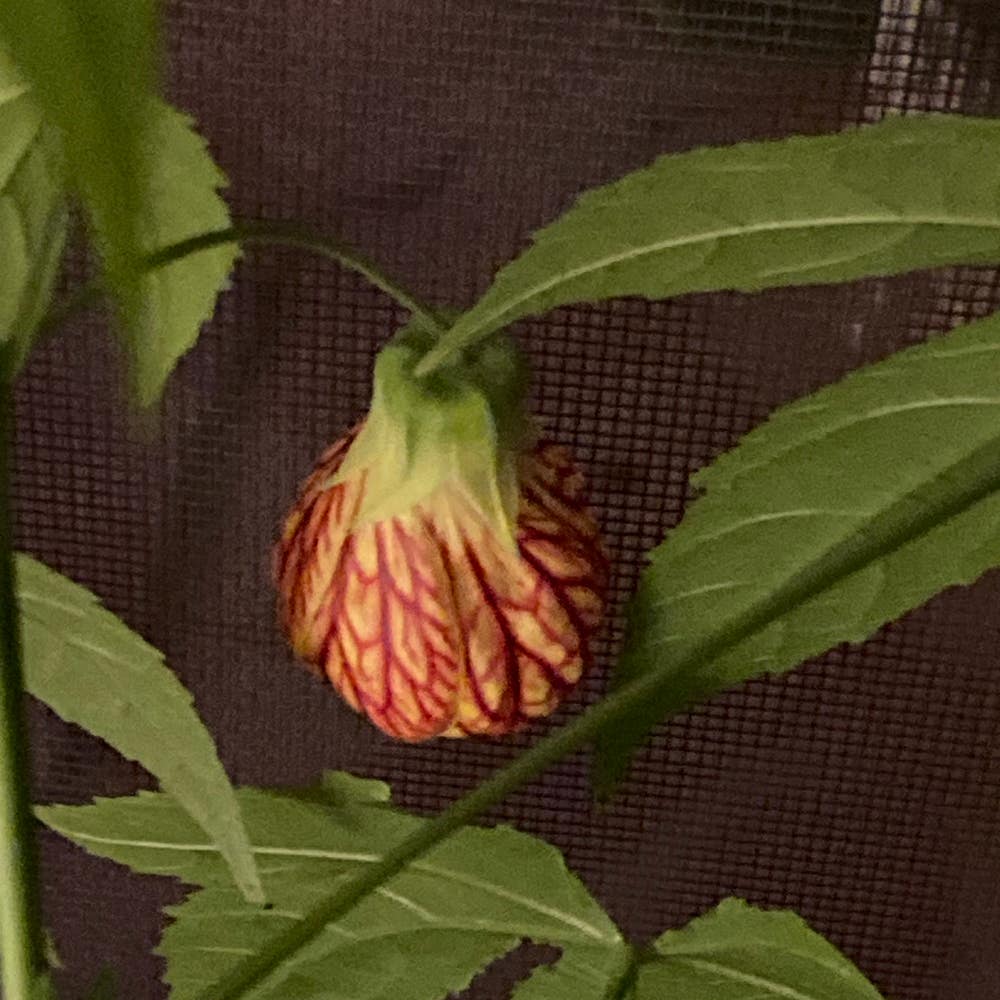
All About Your Abutilon 'Lucky Lantern Tangerine''s Roots
Abutilon 'Lucky Lantern Tangerine'
By the Greg Editorial Team
Jul 24, 2024•5 min read
This article was created with the help of AI so we can cover more plants for you. May contain errors. See one? Report it here.
- 🌱 Fibrous roots need space for moisture absorption and nutrient uptake.
- 💧 Proper watering establishes deep, healthy roots.
- 🌿 Healthy roots are crucial for resilience and successful propagation.
Root System Insights
🌿 Fibrous Roots Explained
Abutilon 'Lucky Lantern Tangerine' boasts a fibrous root system, a network of thin, branching roots spreading out from the plant's base. This structure is adept at absorbing moisture and nutrients from the soil, contributing to the plant's lush, vibrant growth.
- Characteristics of the fibrous root system:
- Numerous, fine roots create a dense mat in the soil.
- Roots grow close to the surface, enhancing water and nutrient uptake.
- The system supports the plant's rounded form and medium texture.
🌱 Growth Patterns
Understanding the growth patterns of this plant's roots is vital for optimal care. The fibrous roots of 'Lucky Lantern Tangerine' spread laterally, influencing how gardeners should approach planting and spacing.
- Considerations for planting and spacing:
- Allow ample space for the root system to expand horizontally.
- Plant at a distance from other plants to prevent competition for resources.
- Monitor container planting to ensure roots have enough room to grow.
Care and Maintenance
Watering and Feeding
💧 Watering your Abutilon 'Lucky Lantern Tangerine' is about striking the right balance. Here's how to keep the roots happy:
- Establish a deep root system with regular watering during the first growing season.
- Reduce watering frequency once the plant is established.
- Before the onset of spring growth, apply a general-purpose fertilizer to nourish the roots.
Remember, the goal is to mimic a wrung-out sponge—moist but not waterlogged.
Transplanting Tips
🌱 Transplanting is a delicate dance with the roots leading. Follow these steps to ensure your plant settles into its new home with ease:
- Choose the right time: Aim for a day when the soil is dry enough to handle but the plant is well-watered.
- Handle with care: Gently tease apart circling roots and trim any dead or overlong ones.
- Soil and support: Backfill with a well-draining mix and stake the plant if necessary.
- Post-transplant care: Water thoroughly to settle the soil and apply a root stimulator to encourage growth.
A successful transplant means respecting the roots' need for space, moisture, and stability.
Root Health Management
🌱 Identifying Root Issues
Root health is paramount for your Abutilon 'Lucky Lantern Tangerine'. Keep an eye out for these signs of trouble:
- Yellowing leaves can signal distress below the soil, hinting at potential root rot.
- A lack of vigor in the plant, with droopy foliage that seems to have lost its zest for life.
- If the roots are dark, mushy, or have a foul odor when inspected, it's a red flag for rot.
🌿 Healthy Roots Indicators
A healthy root system is the lifeline of your 'Lucky Lantern Tangerine'. Here's what to look for:
- Roots should be firm to the touch and a light tan or white color.
- Consistent growth and a robust structure without any signs of withering or decay.
- When watering, the roots should respond positively, neither remaining dry nor becoming waterlogged.
Resilience and Stress Factors
🌱 Root System's Role
A robust root system is your Abutilon 'Lucky Lantern Tangerine's secret weapon against stress. Think of it as the plant's foundation, providing stability and resilience in the face of drought, disease, and environmental fluctuations. Here's how a healthy root system makes a difference:
- Enhances drought tolerance by efficiently absorbing water and nutrients.
- Bolsters the plant's defenses against pests and diseases.
- Facilitates better growth and bloom production by optimizing nutrient uptake.
🌿 Addressing Rootbound Conditions
When your Abutilon 'Lucky Lantern Tangerine's roots outgrow their home, it's time for action. Rootbound plants can suffer from stunted growth and diminished health. Here's how to liberate those tangled roots:
- Check for tightly coiled roots at the bottom of the pot.
- Gently tease apart the root ball during repotting.
- Choose a new pot that's one size larger with fresh, well-draining soil.
- Water thoroughly after repotting to help roots settle in their new space.
Remember, while a little root restriction might encourage flowering, too much can lead to a host of problems. Keep an eye out for signs of stress and give your plant the room it needs to thrive.
Propagation and Division
🌱 Healthy Roots for Propagation
Healthy roots are the cornerstone of successful propagation and division for your Abutilon 'Lucky Lantern Tangerine'. Here's how to ensure your plant thrives during this process:
- Assess Root Health: Before you begin, examine the root system for signs of vigor. Look for roots that are firm and white or tan in color, indicating they are healthy and ready for division.
- Water Before Division: Hydrate your plant a day or two in advance to soften the soil and make the roots more pliable, reducing the risk of damage during separation.
- Use Clean Tools: Always divide with a sterile, sharp tool to minimize stress and prevent the introduction of diseases to the cuts.
- Proper Sectioning: Ensure each new section has a balanced mix of leaves, stems, and a substantial root system. This balance is crucial for the survival and growth of the new plant.
- Immediate Replanting: Plant the divisions promptly after separation to reduce the risk of root drying. Provide a nurturing environment with the right soil mix and adequate space for growth.
- Aftercare: Post-division care is as important as the division itself. Keep the soil consistently moist but not waterlogged to avoid root rot. Monitor the new plants closely for any signs of distress and adjust care as needed.
By following these steps, you can propagate your Abutilon 'Lucky Lantern Tangerine' effectively, ensuring both the parent and the offspring remain robust and healthy.
⚠️ Safety First
This content is for general information and may contain errors, omissions, or outdated details. It is not medical, veterinary advice, or an endorsement of therapeutic claims.
Always consult a qualified healthcare professional before using any plant as food, medicine, or supplement.
Never eat any plant (or feed one to pets) without confirming its identity with at least two trusted sources.
If you suspect poisoning, call Poison Control (800) 222-1222, the Pet Poison Helpline (800) 213-6680, or your local emergency service immediately.
Spotted an error? Please report it here.
Watch your Abutilon 'Lucky Lantern Tangerine' flourish with happy roots 🌱 as Greg customizes your watering plan for the perfect moisture and space balance.