🍊 Abutilon 'Lucky Lantern Tangerine': Not an Annual
Abutilon 'Lucky Lantern Tangerine'
By the Greg Editorial Team
Jul 25, 2024•4 min read
This article was created with the help of AI so we can cover more plants for you. May contain errors. See one? Report it here.
- 🌱 Perennial, not annual: Thrives year-round, especially in USDA Zone 8.
- 🌺 Extended flowering cycles: Bell-shaped blooms from spring to late winter.
- 📋 Strategic gardening: Incorporate into perennial gardens for stability and less replanting.
Perennial Qualities of Abutilon 'Lucky Lantern Tangerine'
🧬 Genetic Makeup
Abutilon 'Lucky Lantern Tangerine' boasts a genetic profile that sets it apart as a perennial. This compact, bushy shrub is part of a breeding line designed for longevity, with a lifespan extending beyond the typical annual cycle.
- Genetically dwarfed, it maintains a consistent 12-inch stature.
- It thrives in USDA Zone 8, indicating a resilience to colder temperatures that annuals often lack.
- Its vegetative propagation ensures reliable, long-term blooming, especially in favorable conditions like those found in California.
🌱 Growth and Reproduction
The growth and reproduction patterns of 'Lucky Lantern Tangerine' align with perennial behaviors, showcasing its ability to persist and flourish year after year.
- Unlike annuals, which complete their life cycle in a single season, this Abutilon variant exhibits ongoing growth and can bloom nearly year-round in warm climates.
- It reproduces through seeds and potentially through cuttings, offering multiple avenues for gardeners to propagate the plant.
- The plant's perennial nature is further evidenced by its robust flowering from summer to frost, and in some regions, throughout the year.
Lifecycle and Growth Patterns
🌱 Year-Round Growth
Unlike annuals that complete their life cycle in one season, Abutilon 'Lucky Lantern Tangerine' exhibits year-round growth. In temperate regions, this plant maintains its foliage through the seasons, with growth slowing but not halting during cooler months. This resilience makes it a standout in the garden, offering a persistent display of greenery.
💐 Flowering and Seed Production
The flowering cycles of Abutilon 'Lucky Lantern Tangerine' extend beyond a single year, showcasing its perennial nature. Here's how it unfolds:
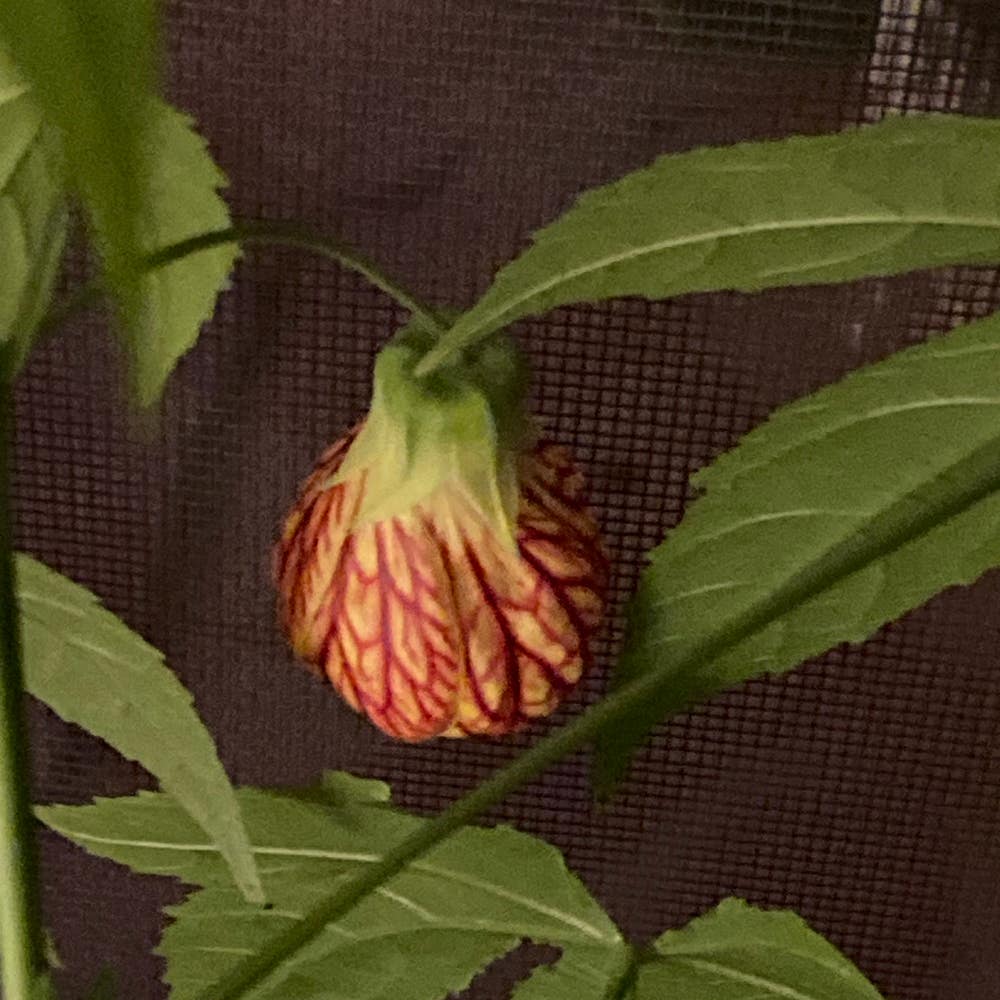
- Spring to Late Winter Blooms: Its bell-shaped flowers, vibrant in color, bloom from early spring and can last until the chill of late winter.
- Multiple-Year Seed Production: Seed production is not a one-off event but occurs over several years, ensuring a lasting presence in the garden. This cycle of renewal is a hallmark of perennials, distinguishing them from the single-season spectacle of annuals.
Misconceptions and Regional Variations
🌺 Misidentification as an Annual
Abutilon 'Lucky Lantern Tangerine' often falls victim to mistaken identity. Here's why it's easy to get it wrong:
- Its vibrant, seasonal blooms resemble those of typical annuals, leading to confusion.
- In colder regions, it may not survive the winter, mimicking an annual's lifecycle.
🌍 Regional Treatment Differences
Depending on where you garden, Abutilon 'Lucky Lantern Tangerine' might get different treatment:
- In frost-prone areas, it's often grown as an annual due to its sensitivity to cold.
- Warmer climates allow it to thrive year-round, showcasing its true perennial nature.
- Gardeners in variable climates might protect it in winter, extending its life beyond a single season.
Gardening Strategies for Perennials
🌿 Long-Term Garden Planning
Incorporating Abutilon 'Lucky Lantern Tangerine' into a perennial garden requires a strategic approach. Here's how to do it:
- Select a sunny to partially shaded spot that aligns with its growth preferences.
- Consider its mature size for proper spacing and avoid overcrowding.
- Pair with complementary perennials that share similar light and water requirements.
- Use it as a focal point in container combinations, surrounded by lower-growing 'filler' plants.
🌸 Advantages of Perennials
Perennials like Abutilon 'Lucky Lantern Tangerine' offer distinct benefits over annuals:
- They return each year, reducing the need for annual replanting.
- Over time, they can grow larger and more robust, providing more visual impact.
- Perennials contribute to a stable garden structure and can become the backbone of garden design.
- They often require less maintenance once established, saving time and resources.
Maximizing Perennial Longevity
🌺 Care Tips for Perennials
Abutilon 'Lucky Lantern Tangerine' thrives with the right care. Here's how to keep it flourishing year after year:
- Watering: Balance is key. Water to keep the soil consistently moist, especially during dry periods, but avoid waterlogging.
- Pruning: Deadhead to encourage more blooms. Come late autumn, cut back stems to prepare for winter dormancy.
- Fertilizing: A spring and early summer feeding with balanced fertilizer promotes healthy growth and flowering.
- Staking: Provide support for taller varieties early on to avoid root damage later.
- Dividing: Every few years, divide the plants to prevent overcrowding and to propagate your garden.
❌ Avoiding Common Mistakes
Even the most robust perennials can suffer from common gardening errors. Here's what to watch out for:
- Overwatering: Too much water can lead to root rot. Ensure good drainage and adjust watering to weather conditions.
- Neglecting to deadhead: Regularly removing spent flowers keeps your Abutilon looking tidy and blooming.
- Over-fertilizing: More isn't always better. Stick to recommended amounts to avoid nutrient burn.
- Ignoring pests and diseases: Keep an eye out for signs of trouble and address issues promptly to prevent spread.
- Forgetting to winterize: In colder regions, provide mulch or shelter to protect your Abutilon from frost.
⚠️ Safety First
This content is for general information and may contain errors, omissions, or outdated details. It is not medical, veterinary advice, or an endorsement of therapeutic claims.
Always consult a qualified healthcare professional before using any plant as food, medicine, or supplement.
Never eat any plant (or feed one to pets) without confirming its identity with at least two trusted sources.
If you suspect poisoning, call Poison Control (800) 222-1222, the Pet Poison Helpline (800) 213-6680, or your local emergency service immediately.
Spotted an error? Please report it here.
Ensure your Abutilon 'Lucky Lantern Tangerine' thrives annually 🌱 with Greg's tailored care plan, avoiding common mistakes for a vibrant, perennial display.