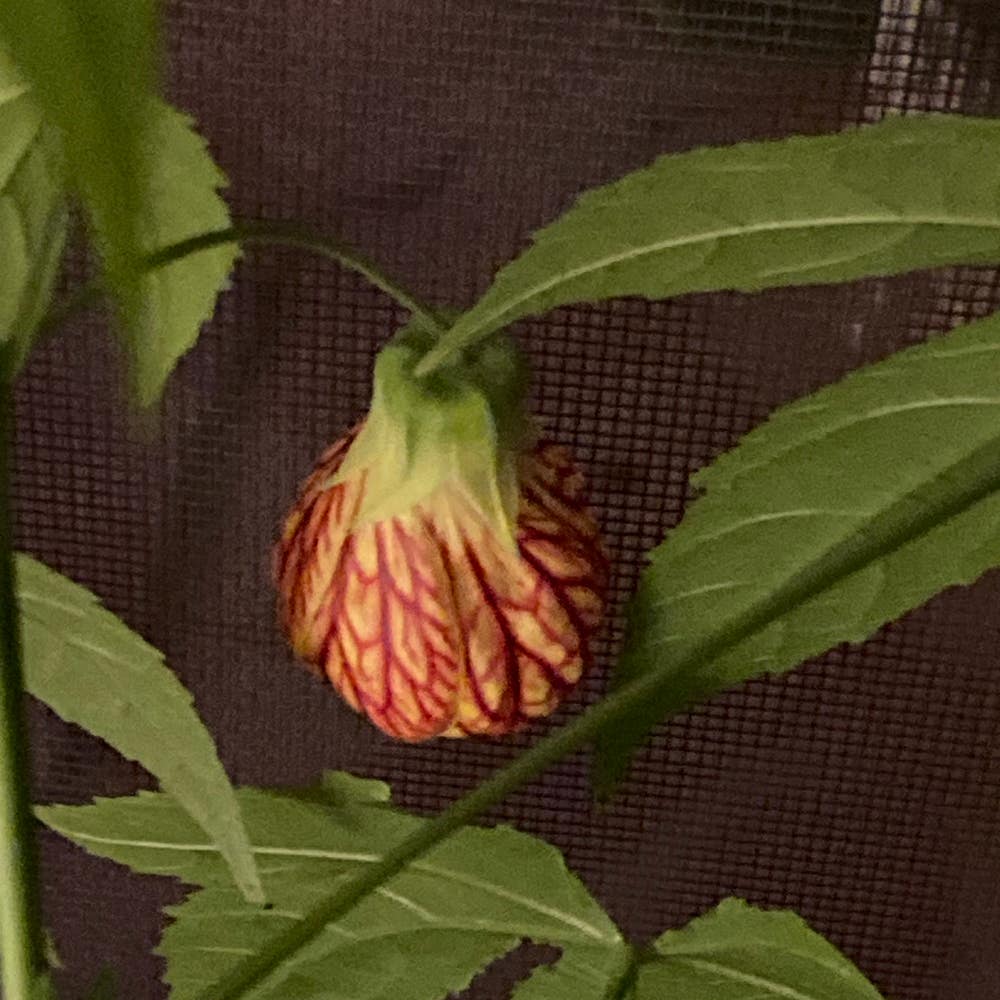
Best Pot for Abutilon 'Lucky Lantern Tangerine'
Abutilon 'Lucky Lantern Tangerine'
By the Greg Editorial Team
Jul 24, 2024•4 min read
This article was created with the help of AI so we can cover more plants for you. May contain errors. See one? Report it here.
- 🌱 Right pot size is crucial for Abutilon 'Lucky Lantern Tangerine' health and growth.
- 🕵️♂️ Monitor for repotting signs like roots peeking out or slowed growth.
- 🤲 Choose material wisely considering temperature, moisture, and lifestyle needs.
Selecting Container Size
Selecting the right container size is pivotal for the well-being of your Abutilon 'Lucky Lantern Tangerine' from its seedling stage through its entire life cycle.
- Seedlings flourish in pots that are 2 to 4 inches in diameter, balancing soil moisture and providing ample space for initial root development.
- As the plant matures, roots peeking out of drainage holes or a noticeable slowdown in growth signal the need for a larger container.
- Always aim for a pot that is about twice the width and depth of the root ball to ensure healthy root growth without wasting resources.
The relationship between pot size and root health cannot be overstated. A snug fit encourages a robust root system, while too much space can lead to waterlogged soil and root rot. Conversely, a pot that's too small can constrict root expansion, stunting your plant's growth.
- To prevent your plant from becoming pot-bound, choose a container that allows for growth but isn't excessively large.
- Remember, a pot that's too large for a young plant can hinder the soil from drying evenly, which is crucial for root health.
- Monitor your plant's development and be ready to size up before the roots outgrow their home, ensuring a happy, thriving Abutilon 'Lucky Lantern Tangerine'.
Choosing Pot Materials
When it comes to pot materials for your Abutilon 'Lucky Lantern Tangerine', each option has its own set of benefits and drawbacks. Let's dive into the specifics.
Terracotta and Ceramic: These materials are like the plant world's breathable fabric, offering excellent moisture wicking to prevent root rot. However, they can be heavy and may dry out quickly, necessitating more frequent watering.
Plastic: Plastic pots are the champions of convenience—lightweight, easy to move, and often more affordable. They retain moisture well, which means less frequent watering but a higher risk of waterlogging if not monitored.
Other Materials:
- Wood: Adds a rustic charm but may decay over time.
- Metal: Can overheat soil, potentially stressing the plant.
- Fiberglass: A lightweight and durable option that can mimic the look of heavier materials.
🌡️ When choosing, consider these factors:
- Temperature: Some materials, like terracotta, can protect plants from sudden temperature changes.
- Moisture: Materials like plastic retain water, which can be good or bad depending on your watering habits.
- Weight: If you plan to move the plant often, a lighter pot may be beneficial.
Ultimately, match the pot material to your Abutilon's needs and your own lifestyle for a harmonious living space.
Repotting Your Abutilon
Abutilon 'Lucky Lantern Tangerine' is a dynamic grower that occasionally needs a change of scenery—its pot, that is. Here's how to tell it's time for repotting and how to do it right.
🌱 Recognizing Repotting Signs
- Growth has slowed, despite proper care.
- Roots are peeking through drainage holes or circling the pot's base.
- The plant becomes top-heavy and tips over easily.
- Water runs through the pot too quickly, indicating congested roots.
🏺 Choosing the Right Pot
- Select a pot that's one size larger than the current one to give roots room to expand.
- Ensure the new pot has ample drainage holes to prevent waterlogging.
- Consider the weight of the pot if you'll be moving the plant frequently.
🌿 Ensuring a Smooth Transition
- Water the Abutilon a few hours before repotting to ease the root ball out.
- Gently tease out the roots to encourage them to spread in their new pot.
- Fill the new pot with a well-draining soil mix, suitable for Abutilon.
- After repotting, water the plant thoroughly and place it in a spot with similar lighting conditions to help it acclimate.
⚠️ Safety First
This content is for general information and may contain errors, omissions, or outdated details. It is not medical, veterinary advice, or an endorsement of therapeutic claims.
Always consult a qualified healthcare professional before using any plant as food, medicine, or supplement.
Never eat any plant (or feed one to pets) without confirming its identity with at least two trusted sources.
If you suspect poisoning, call Poison Control (800) 222-1222, the Pet Poison Helpline (800) 213-6680, or your local emergency service immediately.
Spotted an error? Please report it here.
Find the perfect pot 🍊 for your Abutilon 'Lucky Lantern Tangerine' and never miss a repotting cue with Greg's smart reminders for a flourishing plant paradise!