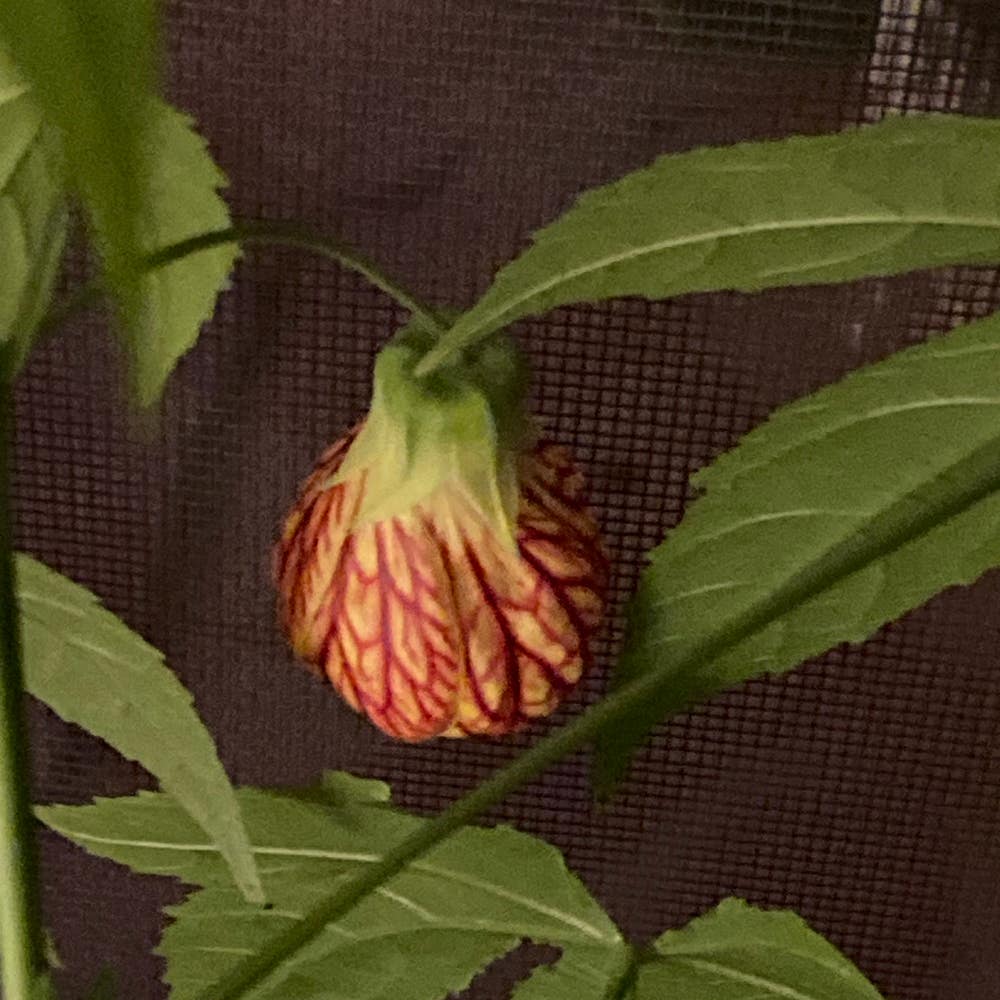
3 Tips for Growing Abutilon 'Lucky Lantern Tangerine'
Abutilon 'Lucky Lantern Tangerine'
By the Greg Editorial Team
Jul 24, 2024•7 min read
This article was created with the help of AI so we can cover more plants for you. May contain errors. See one? Report it here.
- 🌱 Well-draining soil and compost ensure root health and fertility.
- 🌤️ Partial shade location and proper planting depth are key.
- 💧🍂 Seasonal watering and fertilizing adjustments promote vibrant growth.
Soil and Planting Essentials
🌱 Soil Composition and Drainage
Abutilon 'Lucky Lantern Tangerine' thrives in soil that's both a sanctuary and a support system. Here's how to cultivate that perfect environment:
- Prioritize well-draining soil to prevent waterlogging, which can lead to root rot.
- Enrich the soil with organic matter such as compost to boost fertility and improve texture.
- For heavy clay soils, incorporate sand or perlite to enhance drainage.
- In sandy soils, add organic compost or peat moss to increase water retention and nutrient supply.
🌿 Planting Procedure
Planting Abutilon 'Lucky Lantern Tangerine' is like setting the stage for a show-stopping performance. Follow these steps for a grand debut:
- Choose a location with partial shade to shield the plant from intense afternoon sun.
- Dig a hole twice as wide as the root ball and just as deep to encourage root expansion.
- Mix in your soil amendments to create the ideal planting medium.
- Position the plant so the top of the root ball is level with the soil surface.
- Fill in the hole gently, firming the soil to eliminate air pockets.
- Water thoroughly to settle the soil and provide a good start for root growth.
- Mulch around the base to retain moisture and regulate soil temperature.
Watering Requirements
💧 Establishing a Watering Schedule
Abutilon 'Lucky Lantern Tangerine' thrives with consistent moisture, but its watering needs vary with the seasons and local climate. Here's how to get it just right:
- Monitor Soil Moisture: Check the top inch of soil; if it's dry, it's time to water.
- Seasonal Adjustments: Water more frequently during hot, dry months and reduce during cooler, wetter periods.
- Climate Considerations: Arid environments may necessitate more frequent watering compared to humid areas.
💦 Signs of Overwatering and Underwatering
Recognizing the symptoms of improper watering is crucial for the health of your Abutilon:
- Overwatering: Leaves may turn yellow or drop, and the plant may show signs of root rot.
- Underwatering: Look for wilting, dry leaves, and stunted growth.
Adjust your watering schedule accordingly, ensuring the plant receives just the right amount of hydration.
Nutrient Management
💪 Fertilizing for Growth and Blooms
Abutilon 'Lucky Lantern Tangerine' thrives with the right nutrients. Here's how to nourish it for vibrant growth and stunning blooms:
- Select a balanced fertilizer with a mix of nitrogen (N), phosphorus (P), and potassium (K), plus essential micronutrients.
- Fertilize moderately; overfeeding can harm more than help.
- Apply based on the plant's active growth phases for maximum uptake.
- Use soil tests to tailor your fertilization plan, avoiding guesswork.
👀 Recognizing Nutrient Deficiencies
Spotting nutrient deficiencies early can save your plant from distress. Look out for these signs:
- Yellowing leaves may indicate a lack of nitrogen.
- Poor blooming can be a cry for phosphorus.
- Weak stems or leaf drop could signal a potassium shortage.
- Consult local extension services or experienced gardeners for advice on correction.
Pruning Practices
🌿 Shaping and Health Maintenance
Pruning Abutilon 'Lucky Lantern Tangerine' is not just about aesthetics; it's a vital part of plant care that encourages healthy growth and abundant blooming. Here's how to keep your plant in top shape:
- Regularly remove dead or diseased branches to maintain the plant's health and appearance.
- Prune to shape the plant and control its size, ideally during the growing season when the plant can heal quickly.
🌸 Seasonal Pruning Tips
Timing is crucial when it comes to pruning. To ensure your Abutilon thrives, follow these seasonal guidelines:
- Perform most pruning in late winter or early spring, just before the growth spurt of the new season.
- Lightly trim throughout the growing season to maintain shape and encourage flowering.
- Avoid heavy pruning late in the season, as this can disrupt the plant's natural cycle and reduce blooming.
Container Cultivation Techniques
🌿 Choosing the Right Container
Selecting the ideal container for Abutilon 'Lucky Lantern Tangerine' is a pivotal step in ensuring its thriving growth. The container must provide ample space for roots to expand and should be proportional to the plant's size. Here's what to consider:
- Size: A pot that's too small can restrict root growth, while one that's too large may lead to waterlogging. Aim for a container that is 1-2 inches larger in diameter than the plant's root ball.
- Material: Terra cotta pots offer breathability and help regulate soil moisture, but they can be heavy. Plastic pots are lightweight and retain moisture longer, which can be beneficial or detrimental, depending on your climate. Fabric pots promote air pruning and healthy root systems.
- Drainage: Ensure the container has adequate drainage holes to prevent water from pooling at the bottom, which can cause root rot.
🌱 Repotting and Root Care
Repotting is essential for maintaining a healthy Abutilon 'Lucky Lantern Tangerine,' especially when it outgrows its current container. Here's how to repot effectively:
- Timing: Spring is the best time to repot, as the plant is entering a period of active growth.
- Procedure: Gently remove the plant from its old container, trim any circling or damaged roots, and place it in the new pot with fresh, well-draining soil.
- Aftercare: Water the plant thoroughly after repotting to help settle the soil and eliminate air pockets. Monitor the plant closely for the first few weeks to ensure it adjusts well to its new home.
Routine Plant Care
🐞 Pest and Disease Monitoring
Regularly inspect your Abutilon 'Lucky Lantern Tangerine' for unwelcome visitors. Pests and diseases can sneak up on you, so turn those leaves and examine every nook. Here's what to keep an eye out for and how to handle them:
- Aphids and whiteflies: These can be dislodged with a strong jet of water or treated with insecticidal soap.
- Spider mites: Increase humidity around your plant or use a miticide if necessary.
- Fungal infections: Ensure good air circulation and consider a fungicide for severe cases.
Remember, early detection is your best defense. A plant under attack is a silent alarm for immediate action.
🌿 Seasonal Care Adjustments
As the seasons turn, so should your care routine. Your Abutilon 'Lucky Lantern Tangerine' has different needs throughout the year, and it's up to you to tune in. Here's how to sync your care with the seasons:
- Water less in winter when growth slows down.
- Provide more shade during the peak of summer to prevent leaf scorch.
- Adjust fertilizing—less frequent in the cold months, more as the growing season kicks in.
Staying attuned to these shifts will not only keep your plant thriving but also deepen your connection with the natural world.
Overcoming Growth Challenges
🌿 Environmental Stress Management
Abutilon 'Lucky Lantern Tangerine' thrives when shielded from the harsh elements. Here's how to keep it robust:
- Monitor temperature swings and shield the plant from extreme heat or cold.
- Ensure humidity levels are consistent, avoiding the dryness that can stress the plant.
- Protect from strong winds which can damage delicate foliage and flowers.
- Avoid exposure to pollutants like cigarette smoke that can harm plant stomata.
🐞 Integrated Pest and Disease Management
Pests and diseases can be a gardener's nightmare, but with these strategies, you can keep your Abutilon 'Lucky Lantern Tangerine' healthy:
- Employ Integrated Pest Management (IPM), combining cultural, biological, and chemical tactics as needed.
- Use horticultural oils to manage pests; they're effective and less harmful than harsh chemicals.
- Ensure proper air circulation around the plant to prevent fungal diseases.
- Water correctly—overwatering can lead to root rot, while underwatering stresses the plant.
- Regularly clean pruning tools to prevent the spread of disease.
- Remove and isolate any infected plants to protect the healthy ones.
- Stay vigilant for early signs of trouble and act promptly to resolve issues.
⚠️ Safety First
This content is for general information and may contain errors, omissions, or outdated details. It is not medical, veterinary advice, or an endorsement of therapeutic claims.
Always consult a qualified healthcare professional before using any plant as food, medicine, or supplement.
Never eat any plant (or feed one to pets) without confirming its identity with at least two trusted sources.
If you suspect poisoning, call Poison Control (800) 222-1222, the Pet Poison Helpline (800) 213-6680, or your local emergency service immediately.
Spotted an error? Please report it here.
Nurture your Abutilon 'Lucky Lantern Tangerine' with seasonal savvy 🌤 using Greg's tailored care plans that adapt to your plant's needs, from soil moisture to pruning times.