What's Eating Your Abutilon 'Lucky Lantern Tangerine'
Abutilon 'Lucky Lantern Tangerine'
By the Greg Editorial Team
Jul 24, 2024•8 min read
This article was created with the help of AI so we can cover more plants for you. May contain errors. See one? Report it here.
- 🦌 Deer, rabbits, rodents threaten Abutilon health; use barriers and safe traps.
- 🐿️🌺 Squirrels and birds target flowers; balance protection with ecosystem benefits.
- 🐝 Encourage bees, butterflies for pollination and a balanced garden ecosystem.
Recognizing Herbivore Presence
Herbivores can leave a distinct mark on your Abutilon 'Lucky Lantern Tangerine', signaling their visit. Here's how to spot their presence:
- Look for chewed or missing leaves and flowers, a telltale sign of feeding.
- Noticeable bite marks or irregular holes in foliage often indicate insect activity.
- Check for droppings or footprints around the plant base, which can help identify larger visitors.
Understanding the appeal of this particular Abutilon to different animals is key to managing their interactions:
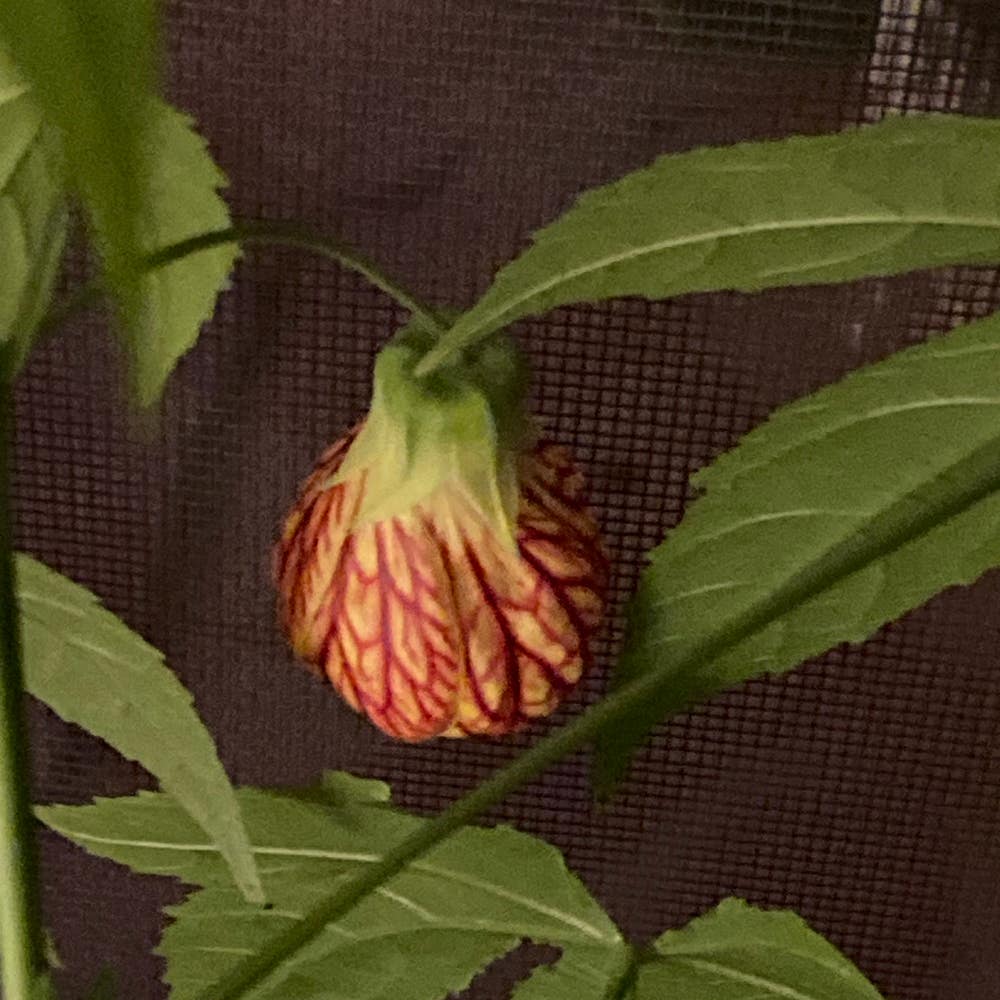
- The vibrant, coral-peach bell-shaped flowers are a magnet for hummingbirds and butterflies.
- Young, tender shoots and leaves may attract rabbits and deer seeking a nutritious snack.
- The plant's fruits and seeds can be enticing to birds and rodents alike.
By recognizing these signs and understanding the plant's allure, gardeners can take proactive steps to protect their Abutilon 'Lucky Lantern Tangerine' from unwanted herbivore damage.
Deer Interactions
Deer can leave a distinctive mark on your Abutilon 'Lucky Lantern Tangerine', with damage often resembling rough, torn edges where they have fed. Recognizing these signs is crucial as deer are habitual visitors and can cause significant damage, especially during early spring when their food reserves are low.
- Look for uneven tearing of leaves and shoots, indicative of deer feeding, as they lack upper teeth.
- Notice if there is a "browse line" where foliage is stripped away up to a certain height, a sign of deer reaching for food during leaner months.
Deer management requires a multifaceted approach, combining physical barriers with sensory deterrents to protect your plants effectively.
- Install fencing that is high and angled to prevent deer from jumping over or crawling under.
- Use repellents that emit odors or tastes unpleasant to deer, and rotate them to prevent habituation.
- Consider habitat modification, such as planting deer-resistant species, to make the area less attractive.
- Engage in community efforts to manage local deer populations, which may include regulated hunting or non-lethal methods.
Rabbit Habits
Rabbits, with their penchant for nibbling on young shoots, can be quite the adversary for your Abutilon 'Lucky Lantern Tangerine'.
To spot these furry intruders, look for clean-cut, angled clippings on stems and the presence of round droppings. These critters prefer to feast at dawn or dusk, making early morning the best time for a garden inspection.
Balancing the ecosystem while keeping rabbits at bay involves a mix of vigilance and strategic defense. Here's how:
- Regularly check for signs of burrowing or nesting around the plant base.
- Employ physical barriers such as chicken wire or raised beds to protect young shoots.
Understanding rabbit behavior is key to coexisting with these herbivores. They're drawn to the high nutritional value of fresh growth, making your Abutilon 'Lucky Lantern Tangerine' particularly vulnerable.
To mitigate their impact:
- Introduce plants that are less appealing to rabbits as a diversion.
- Consider safe, humane repellents to discourage them from making a meal of your garden's centerpiece.
Squirrel Challenges
Squirrels, with their acrobatic prowess, often go unnoticed until the telltale signs of nibbled fruits and flowers or disturbed soil appear. They particularly favor the succulent fruits and tender blooms of the Abutilon 'Lucky Lantern Tangerine'.
To safeguard your cherished plants, consider these strategies:
- Employ squirrel-proof bird feeders to prevent these critters from being lured into your garden for an easy meal.
- Wrap tree trunks with metal collars to block access to the branches laden with tempting fruits and flowers.
- Motion-activated sprinklers can startle and deter squirrels without causing them harm.
- For a more hands-off approach, fostering a habitat for natural squirrel predators, like birds of prey, can help manage the population.
Remember, while squirrels can be a nuisance, they're also part of the ecosystem. Balancing their presence with the health of your Abutilon 'Lucky Lantern Tangerine' requires patience and a touch of ingenuity.
Bird Visitation
Birds fluttering around your Abutilon 'Lucky Lantern Tangerine' can be a delightful sight, but it's important to recognize the signs of their presence. Look for small peck marks on fruits and flowers, or perhaps even catch them perching on branches. While these feathered visitors can help with pest control and pollination, they can also cause some damage.
- Indicators of bird activity include:
- Peck marks or holes in fruits and flowers.
- Feathers or droppings near the plant.
- Nesting materials woven into the foliage.
The benefits of bird visitation shouldn't be overlooked. They're natural pest controllers, feasting on insects that might otherwise harm your plant. Plus, their role in pollination can enhance the vibrancy and yield of your garden.
To maintain a bird-friendly environment while protecting your Abutilon, consider these methods:
- Hang reflective tape or objects that move in the wind to deter birds.
- Install netting around the plant during peak fruiting times to prevent access.
- Provide alternative food sources, like bird feeders, to divert attention away from your plant.
Creating a bird-friendly yet protected garden is a balancing act. Encourage their presence for the ecological benefits they bring but safeguard your Abutilon 'Lucky Lantern Tangerine' with gentle deterrents. Remember, a harmonious garden is one where both plants and wildlife can thrive.
Rodent Issues
Rodents, with their sharp incisors, often gnaw at the base of your Abutilon 'Lucky Lantern Tangerine', leaving distinct marks and sometimes stripping the bark. They're attracted to the plant's base, seeking the tender bark and roots.
- Look for gnaw marks, burrows, or disturbed soil at the plant's base.
- Check for missing bark, which can girdle and kill young plants.
Managing rodents requires a blend of habitat modification and safe trapping. The goal is to deter rodents while preserving the garden's natural harmony.
- Remove debris and trim back overgrown areas to reduce rodent hiding spots.
- Employ physical barriers like mesh or wire to protect the plant's base.
- Consider live traps and relocate the captured rodents, aligning with humane practices.
- Use natural deterrents, such as planting aromatic herbs that rodents dislike, to create a less inviting environment.
- Avoid rodenticides that can harm non-target species and consider the ecological impact of each control method.
Groundhog and Woodchuck Impact
Groundhogs and woodchucks can pose a real challenge to the well-being of your Abutilon 'Lucky Lantern Tangerine'. Keep an eye out for nibbled leaves and stems, or disturbed soil around the plant base—classic telltale signs of their presence.
🦡 Observing Groundhog/ Woodchuck Signs
- Look for trampled foliage or plants nibbled close to the ground.
- Notice any burrows or soil disturbances near the plant's root system.
Groundhogs are particularly fond of the tender roots and shoots of the 'Lucky Lantern Tangerine', which can compromise the plant's stability and growth.
🌿 Impact on Root Systems
- Groundhogs may chew on roots, leading to weakened support and nutrient uptake.
- Extensive burrowing can disrupt the soil structure and aeration, further stressing the plant.
To protect your Abutilon's integrity, it's crucial to implement effective control strategies that are as kind to the animals as they are to the environment.
🛡️ Implementing Control Strategies
- Remove brush piles and weedy areas to make your garden less inviting.
- Surround your Abutilon with groundhog-resistant plants like ageratum, marigolds, and salvia.
- Install fencing that extends underground to prevent burrowing.
By taking these steps, you can safeguard your Abutilon 'Lucky Lantern Tangerine' while coexisting peacefully with local wildlife.
Encouraging Beneficial Fauna
Bees and butterflies are not just delightful visitors; they are essential allies in the health of your Abutilon 'Lucky Lantern Tangerine'.
The Role of Bees and Other Pollinators 🐝
- Bees are tireless pollinators, vital for the fertilization of many plants, including the Abutilon 'Lucky Lantern Tangerine'.
- A garden buzzing with bees is a sign of a healthy ecosystem, as they facilitate the growth and reproduction of plants.
Attracting Butterflies 🦋
- Butterflies are attracted to the vibrant flowers of the Abutilon, where they feed on nectar and assist in pollination.
- Their presence indicates a balanced environment and contributes to the overall beauty of the garden.
Strategies to Attract Pollinators 🌼
- Plant a variety of native flowers that provide a continuous bloom throughout the growing season to offer a steady food source.
- Avoid pesticides that harm pollinators; opt for natural pest control methods instead.
- Provide a water source, like a shallow dish or birdbath, to quench the thirst of your winged guests.
- Consider adding features like butterfly houses or bee hotels to offer shelter and nesting sites.
By fostering an inviting habitat for these beneficial creatures, you not only enhance the allure of your garden but also support the crucial ecological roles they play.
Ecosystem Balance and Plant Protection
Creating a healthy garden ecosystem is a bit like setting up a team, where each player has a role that supports the whole. For your Abutilon 'Lucky Lantern Tangerine', this means fostering an environment where beneficial creatures thrive and potential plant-munchers are managed with care.
- Start with diversity: Plant a variety of species to attract beneficial insects and create a natural pest control system.
- Encourage pollinators: Bees, butterflies, and other pollinators are crucial for your garden's health. Choose plants that provide nectar and pollen to support them.
- Soil health is key: Maintain rich, organic soil to support robust plant growth, making your Abutilon less susceptible to damage.
When it comes to reactive solutions, think of them as a gentle nudge rather than a shove. It's about guiding wildlife away from your Abutilon without causing harm.
- Physical barriers: Use netting or fencing to protect your plant without impacting the overall look of your garden.
- Natural repellents: Opt for organic sprays or homemade concoctions that deter herbivores without introducing toxins into the ecosystem.
- Habitat modification: Sometimes, simply altering the environment—like removing hiding spots for rodents—can reduce unwanted visits.
Remember, every action has a ripple effect in the garden. By taking a balanced approach, you're not just protecting your Abutilon 'Lucky Lantern Tangerine'; you're contributing to the well-being of the local environment.
⚠️ Safety First
This content is for general information and may contain errors, omissions, or outdated details. It is not medical, veterinary advice, or an endorsement of therapeutic claims.
Always consult a qualified healthcare professional before using any plant as food, medicine, or supplement.
Never eat any plant (or feed one to pets) without confirming its identity with at least two trusted sources.
If you suspect poisoning, call Poison Control (800) 222-1222, the Pet Poison Helpline (800) 213-6680, or your local emergency service immediately.
Spotted an error? Please report it here.
Safeguard your Abutilon 'Lucky Lantern Tangerine' from nibbling neighbors by engaging 🐇 with Greg's community for bespoke wildlife management tips and timely protective reminders.