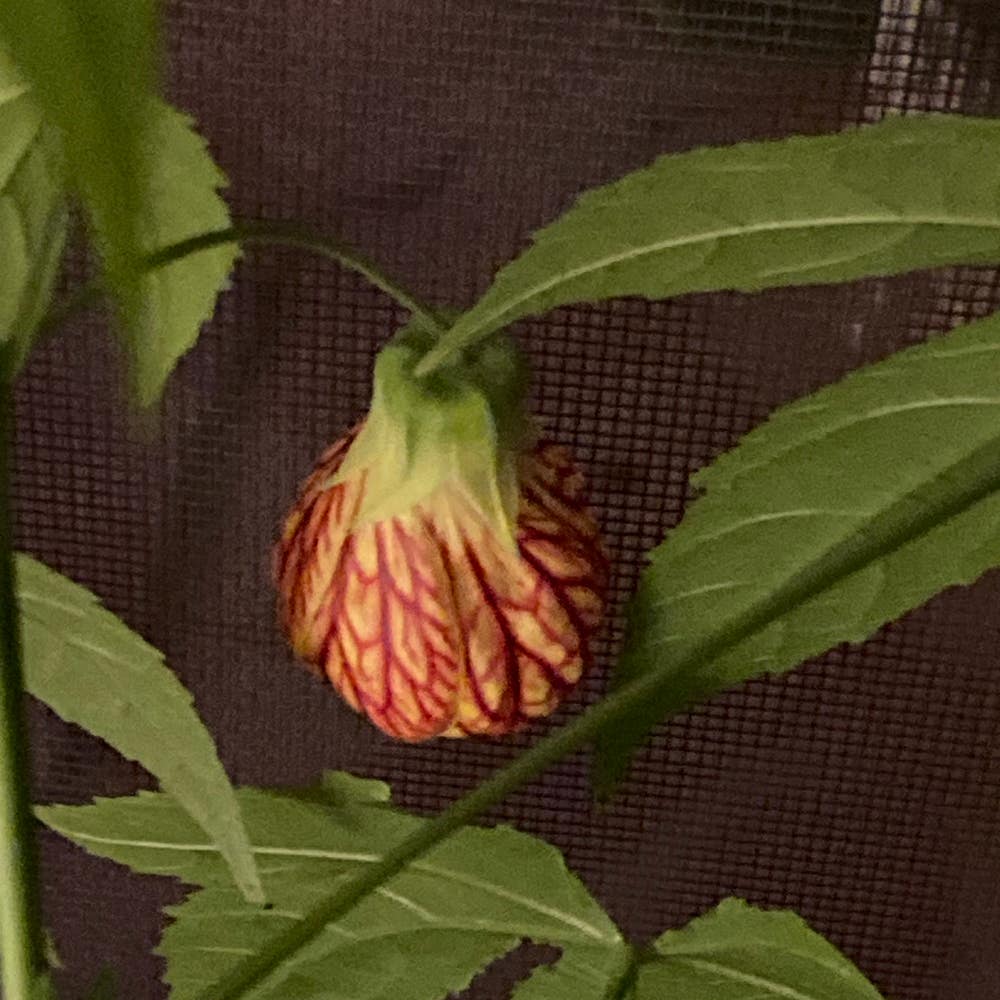
Best Companion Plants for Abutilon 'Lucky Lantern Tangerine'
Abutilon 'Lucky Lantern Tangerine'
By the Greg Editorial Team
Jul 24, 2024•4 min read
This article was created with the help of AI so we can cover more plants for you. May contain errors. See one? Report it here.
- 🌱 Companion planting boosts Abutilon health, with mutual benefits and pest control.
- 🌺🐝 Salvia, Lavender, and Marigold are top companions for pollination and pest repellence.
- 🚫 Avoid Cabbage and Tomato to prevent disease and pest issues for Abutilon.
Companion Planting Overview
Companion planting is a strategic approach that pairs plants for mutual benefit. It's a practice that can significantly enhance the well-being of Abutilon 'Lucky Lantern Tangerine', a plant known for its vibrant orange flowers and bushy habit.
Garden Diversity: Introducing a variety of plants can create a more resilient and visually appealing garden. This diversity can lead to a healthier ecosystem that supports the growth of Abutilon 'Lucky Lantern Tangerine'.
Pest Management: Certain companions can naturally repel pests, reducing the need for chemical interventions. For instance, some plants emit scents or substances that deter common pests, providing a protective shield for the Abutilon.
Symbiotic Relationships: Plants can form symbiotic relationships where they aid each other in essential ways, such as sharing nutrients or attracting beneficial insects. By carefully selecting companions, Abutilon 'Lucky Lantern Tangerine' can thrive alongside plants that complement its growth and care requirements.
Choosing Companions
Selecting the right companions for Abutilon 'Lucky Lantern Tangerine' involves considering a few key factors. Here's what to look for:
- Similar care needs to ensure they thrive together.
- Pest repellent properties to naturally protect your garden.
- Visual appeal for a stunning display.
🌶️ Salvia 'Hot Lips'
Salvia 'Hot Lips' is a perfect match for Abutilon 'Lucky Lantern Tangerine' in terms of care and aesthetics. Both enjoy full sun and attract pollinators like hummingbirds.
- Known for its vibrant red and white flowers.
- It emits a scent that deters common garden pests.
🌿 English Lavender
English Lavender is a powerhouse for pollinator attraction and pest management, making it an ideal companion.
- Its soothing fragrance and purple blooms complement the tangerine hues of Abutilon.
- Lavender is known for its ability to repel unwanted insects while inviting bees and butterflies.
🌼 French Marigold
French Marigold not only adds a splash of color but also offers multiple benefits to its neighbors.
- It's a nematode repellent, which is crucial for root health.
- The marigold's presence can enhance soil quality, benefiting the Abutilon.
🌸 Yarrow
Yarrow is a robust plant that brings several advantages to the garden tableau.
- Its ability to attract beneficial insects helps keep pests at bay.
- The soft texture and variety of colors in Yarrow flowers create a pleasing visual harmony with the Abutilon's vibrant lanterns.
Incompatible Plants
Identifying plants that could negatively impact Abutilon 'Lucky Lantern Tangerine' is crucial for maintaining a healthy garden.
🥦 Cabbage
- Cabbage can attract pests like aphids and whiteflies, which also pose a threat to Abutilon 'Lucky Lantern Tangerine'.
- Diseases such as black rot may spread from cabbage to nearby plants, so it's wise to avoid planting them in close proximity.
🍅 Tomato
- Tomatoes share several diseases with Abutilon, including various wilts and blights, which can easily transfer in close quarters.
- To minimize risk, maintain a generous spatial separation between tomatoes and Abutilon 'Lucky Lantern Tangerine'.
Maximizing Garden Health
Integrating companion plants into your garden isn't just about aesthetics; it's a strategic move to bolster the health and vigor of your Abutilon 'Lucky Lantern Tangerine'. Let's dive into how to make the most of these plant partnerships.
- Strategic Planting: Position plants with pest-repellent properties, like marigolds, near your Abutilon to naturally fend off nematodes. This not only reduces the need for chemical interventions but also promotes a more organic garden environment.
- Diversity is Key: A varied plant assembly can lead to a self-regulating ecosystem. By mixing in plants like lavender and Salvia 'Hot Lips', you attract pollinators and beneficial insects that help keep pest populations in check.
- Trap Crops: Use plants like nasturtiums as a decoy to draw pests away from your Abutilon, safeguarding it from potential harm.
🌿 Embrace the role of garden diversity and pest management in your companion planting strategy. By doing so, you create a robust, resilient garden where your Abutilon 'Lucky Lantern Tangerine' can thrive alongside a community of supportive plant allies.
⚠️ Safety First
This content is for general information and may contain errors, omissions, or outdated details. It is not medical, veterinary advice, or an endorsement of therapeutic claims.
Always consult a qualified healthcare professional before using any plant as food, medicine, or supplement.
Never eat any plant (or feed one to pets) without confirming its identity with at least two trusted sources.
If you suspect poisoning, call Poison Control (800) 222-1222, the Pet Poison Helpline (800) 213-6680, or your local emergency service immediately.
Spotted an error? Please report it here.
Create a resilient garden 🌱 with ideal companions for your Abutilon 'Lucky Lantern Tangerine' by using Greg's PlantVision to ensure mutual growth and pest control.