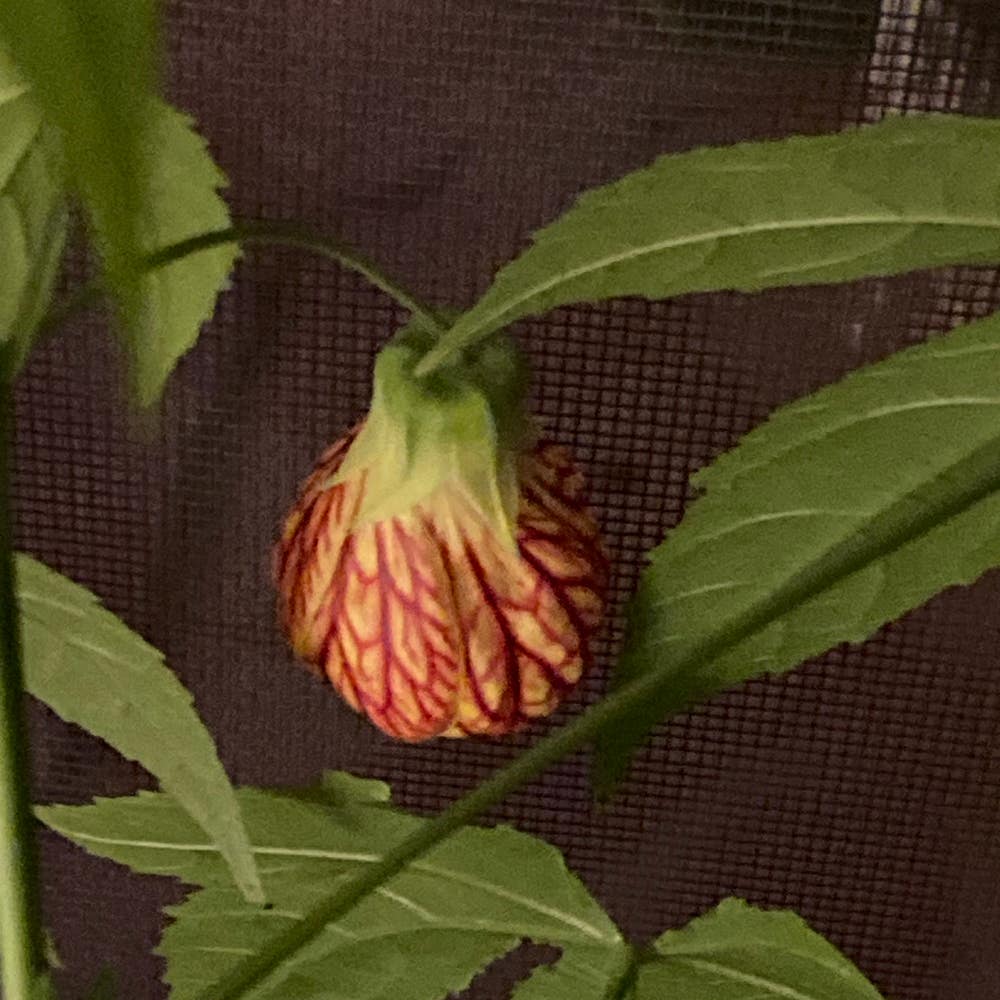
Abutilon 'Lucky Lantern Tangerine' Buds Falling off
Abutilon 'Lucky Lantern Tangerine'
By the Greg Editorial Team
Jul 24, 2024•4 min read
This article was created with the help of AI so we can cover more plants for you. May contain errors. See one? Report it here.
- 🌸 Bud drop and abnormal blooms can signal Abutilon distress.
- 💡🌱 Optimize light and nutrients to enhance flowering.
- ✂️ Prune post-flowering; monitor environment for healthy blooms.
Diagnosing Flowering Problems
🌸 Recognizing Bud Drop
Abutilon 'Lucky Lantern Tangerine' may exhibit distress through premature bud drop. Look for these signs:
- Buds falling before they open.
- Yellowing or wilting of buds.
🌼 Unusual Bloom Patterns
Abnormal flower development can manifest in several ways:
- Flowers that are misshapen or smaller than usual.
- A noticeable decrease in the number of blooms.
- Failure of buds to open at all.
Understanding these symptoms is the first step in diagnosing and addressing flowering issues.
Causes of Flowering Issues
🌞 Inadequate Light Exposure
Abutilon 'Lucky Lantern Tangerine' thrives in bright, indirect light. Without it, the bloom cycle falters, and flower development suffers. Here's what happens when light is lacking:
- Buds may form but then drop prematurely.
- Flowers that do open may be lackluster or malformed.
🍽️ Nutrient Deficiencies
Just like a gourmet meal needs the right ingredients, your Abutilon needs a balanced diet to showcase its stunning tangerine blooms. Key nutrients include:
- Calcium and boron for strong cell walls and flower integrity.
- A balanced fertilizer to prevent nitrogen overload, which favors leaves over flowers.
🛡️ Improper Pruning
Pruning is an art that, when done right, can lead to a flourish of flowers. But incorrect cuts can interrupt the bloom cycle:
- Over-pruning can redirect energy away from flower production.
- Pruning at the wrong time can remove buds set for the next flowering season.
Solutions to Enhance Flowering
🌟 Optimizing Light for Blooms
Abutilon 'Lucky Lantern Tangerine' thrives when it gets its light just right. Here's how to illuminate the path to vibrant blooms:
- Position your plant in a spot where it receives plenty of indirect sunlight. Direct sun can be too harsh, but too little light can lead to bud drop.
- If natural light is lacking, especially during shorter days, supplement with grow lights. Aim for 14-16 hours of light per day to mimic the long days of summer.
🌿 Balancing Nutrition
Nutrition is the cornerstone of a flourishing bloom cycle. To prevent bud drop and promote healthy flower development, consider these tips:
- Use a balanced fertilizer with a higher phosphorus content to encourage blooming. A ratio like 10-30-20 during the growing season can work wonders.
- Avoid over-fertilizing, especially with nitrogen-heavy formulas, as this can lead to lush leaves but few flowers. Stick to half-strength applications for the right balance.
✂️ Pruning for Flower Production
Pruning is not just about keeping your plant tidy; it's about directing energy where it's needed most. Here's how to prune with a purpose:
- Snip away any dead or damaged leaves and spent blooms to redirect the plant's energy towards new flower production.
- Remember, the best time to prune is after flowering has finished. This encourages new growth, which is where the next cycle of blooms will appear.
Preventing Future Flowering Problems
🌿 Monitoring Environmental Factors
Stable conditions are your Abutilon's best friend when it comes to preventing bud drop. Like a meticulous gardener, you'll want to keep a watchful eye on the environment:
- Temperature and Humidity: Avoid sudden changes that can stress the plant. Think of your Abutilon as having a preference for 'room temperature'—not too hot, not too cold.
- Light Consistency: As the seasons change, so does the light. Adjust your plant's position to ensure it gets the right amount of sunlight without scorching its delicate leaves.
- Air Circulation: Good airflow is crucial. It's like giving your plant room to breathe, preventing mold and other issues that can affect flowering.
🌺 Regular Care and Observation
Your vigilance is key to a robust bloom cycle. Here's how to stay on top of your plant's needs:
- Visual Inspections: Make it a habit to check on your plant regularly. Spotting early signs of distress can make all the difference.
- Water Wisdom: Establish a watering routine that's just right. It's a balancing act—too much or too little can both lead to problems.
- Nutrient Balance: Adjust your fertilization with the seasons. Your plant's nutritional needs change throughout the year, so keep your feeding schedule flexible.
- Pest Patrol: Keep pests at bay by regularly inspecting for any signs of infestation. Early detection is your best defense.
- Care Log: Consider keeping a journal of your plant care. It's a great way to track what works, what doesn't, and how your plant responds to different care strategies.
⚠️ Safety First
This content is for general information and may contain errors, omissions, or outdated details. It is not medical, veterinary advice, or an endorsement of therapeutic claims.
Always consult a qualified healthcare professional before using any plant as food, medicine, or supplement.
Never eat any plant (or feed one to pets) without confirming its identity with at least two trusted sources.
If you suspect poisoning, call Poison Control (800) 222-1222, the Pet Poison Helpline (800) 213-6680, or your local emergency service immediately.
Spotted an error? Please report it here.
Keep your Abutilon 'Lucky Lantern Tangerine' thriving 🌺 with Greg's custom care plans that monitor and adjust to your plant's unique needs, ensuring every bud blossoms.