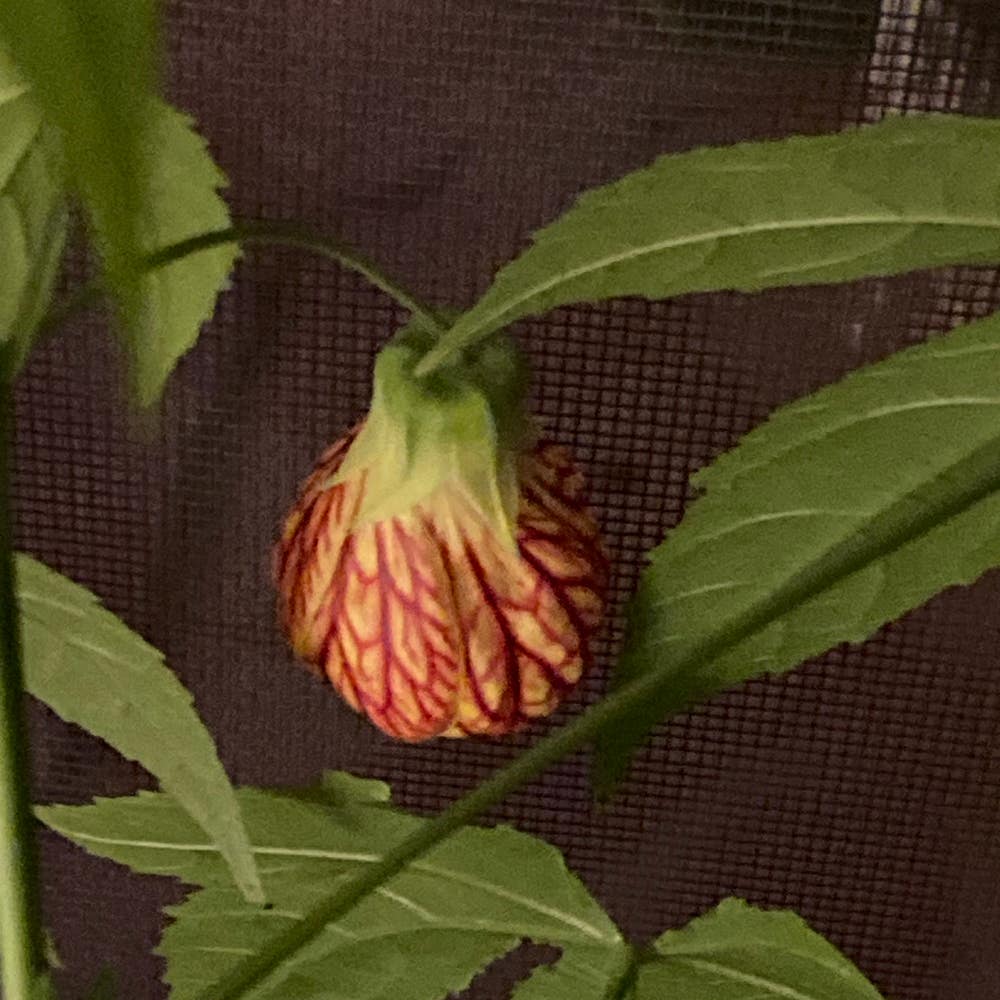
Abutilon 'Lucky Lantern Tangerine' Hardiness Zones: 8a-10b
Abutilon 'Lucky Lantern Tangerine'
By the Greg Editorial Team
Jul 24, 2024•4 min read
This article was created with the help of AI so we can cover more plants for you. May contain errors. See one? Report it here.
- 🌡️ Thrives in zones 8a-10b, withstanding 10-15°F.
- 🌞🌊 California & Florida ideal; Mediterranean and subtropical climates preferred.
- 🌱 Microclimates expand growth range; use sun traps, windbreaks.
Abutilon 'Lucky Lantern Tangerine' Zone Compatibility
Understanding the hardiness zones suitable for Abutilon 'Lucky Lantern Tangerine' is crucial for its successful cultivation. This vibrant plant thrives in USDA zones 8a to 10b.
These zones are characterized by their mild winter temperatures. Here's a breakdown of the temperature ranges:
- Zone 8a: 10 to 15°F (-12 to -9.4°C)
- Zone 8b: 15 to 20°F (-9.4 to -6.7°C)
- Zone 9a: 20 to 25°F (-6.7 to -3.9°C)
- Zone 9b: 25 to 30°F (-3.9 to -1.1°C)
- Zone 10a: 30 to 35°F (-1.1 to 1.7°C)
- Zone 10b: 35 to 40°F (1.7 to 4.4°C)
In these zones, the 'Lucky Lantern Tangerine' can bask in the warmth it needs without the risk of frost damage. Gardeners in these areas enjoy the plant's year-round flowering potential, especially in the warmer end of the spectrum, where cool winters rarely threaten.
Cold and Heat Tolerance
❄️ Cold Tolerance
Abutilon 'Lucky Lantern Tangerine' can handle some chill. Here's what you need to know about its cold weather capabilities:
- Hardy to a minimum of 10-15 degrees Fahrenheit, aligning with USDA zones 8a to 10b.
- Frost-tolerant, but keep an eye on first and last frost dates to protect during unexpected cold snaps.
🔥 Heat Tolerance
This plant loves the sun but has its limits. Understanding its heat tolerance is key:
- Thrives in full sun with well-drained soil, but needs a break from extreme heat.
- Water daily when temperatures soar above 70 degrees and provide some afternoon shade to prevent stress.
Ideal Regions for Cultivation
🌞 State-Level Examples
The Abutilon 'Lucky Lantern Tangerine' finds its sweet spot in regions that mirror its native habitat's warmth and moderate conditions. States like California, with its Mediterranean-like climate, offer the perfect balance of sunshine and mild winters, making it a horticultural haven for this vibrant plant. Similarly, the balmy subtropical climate of Florida provides a year-round growing season, ensuring the Abutilon 'Lucky Lantern Tangerine' thrives.
- California: Mediterranean climate, ample sunshine, mild winters.
- Florida: Subtropical climate, warm temperatures throughout the year.
🏝️ Microclimate Considerations
Microclimates can be game-changers for gardeners aiming to cultivate Abutilon 'Lucky Lantern Tangerine' in less-than-ideal zones. A sheltered spot against a south-facing wall, for instance, can mimic warmer conditions, while strategic shading in hotter areas can prevent scorching. Understanding and utilizing these pockets of favorable conditions can extend the range of this plant beyond its standard zones.
- Sheltered locations: South-facing walls can create warmer microclimates.
- Strategic shading: Protects the plant in areas with intense heat.
Zone-Specific Growing Insights
🌿 Suitable States
- The ideal hardiness zones for Abutilon 'Lucky Lantern Tangerine' are 8a through 10b. These zones are characterized by mild winters and warm summers, which align with the plant's temperature preferences.
- States that fall within these zones include parts of Oregon, Washington, Georgia, Texas, and Florida. These regions offer the moderate conditions that Abutilon 'Lucky Lantern Tangerine' needs to flourish.
❌ Unsuitable States
- States outside the optimal zones, such as those in the northern regions like Minnesota and North Dakota, present harsh winters that can be detrimental to the plant's survival.
- Conversely, states with extreme heat, like Arizona, may also pose challenges due to the potential for scorching temperatures that exceed the plant's heat tolerance.
Navigating Microclimates
Microclimates are the secret weapon for gardeners aiming to grow Abutilon 'Lucky Lantern Tangerine' beyond the ideal zones of 8a to 10b. By understanding and utilizing these unique pockets of climate, you can create conditions that mimic the plant's preferred environment.
Strategies for Leveraging Microclimates
- Identify sun traps in your garden, such as south-facing walls or fences, which can accumulate heat and protect plants from cold winds.
- Use reflective surfaces to increase light and warmth around the plant.
- Implement windbreaks like hedges or structures to shield sensitive foliage from harsh gusts.
- Consider raised beds or containers to improve drainage and soil warmth, which can be particularly beneficial in cooler microclimates.
🌿 Examples of Microclimate Effects
- In Florida, buildings and large bodies of water can create warmer pockets, allowing the 'Lucky Lantern Tangerine' to thrive even in borderline zones.
- Texas gardeners have successfully grown the plant by placing it in areas that receive afternoon shade, mitigating the intense heat typical of the region.
- In California, the use of mulch and strategic planting near heat-retaining stone paths has enabled the 'Lucky Lantern Tangerine' to flourish in cooler microclimates.
By carefully observing your local conditions and making small adjustments, you can expand the horizons of where Abutilon 'Lucky Lantern Tangerine' can grow and thrive.
⚠️ Safety First
This content is for general information and may contain errors, omissions, or outdated details. It is not medical, veterinary advice, or an endorsement of therapeutic claims.
Always consult a qualified healthcare professional before using any plant as food, medicine, or supplement.
Never eat any plant (or feed one to pets) without confirming its identity with at least two trusted sources.
If you suspect poisoning, call Poison Control (800) 222-1222, the Pet Poison Helpline (800) 213-6680, or your local emergency service immediately.
Spotted an error? Please report it here.
Let Greg help you adapt 🌡️ your Abutilon 'Lucky Lantern Tangerine' care to local conditions for thriving growth, no matter your zone!