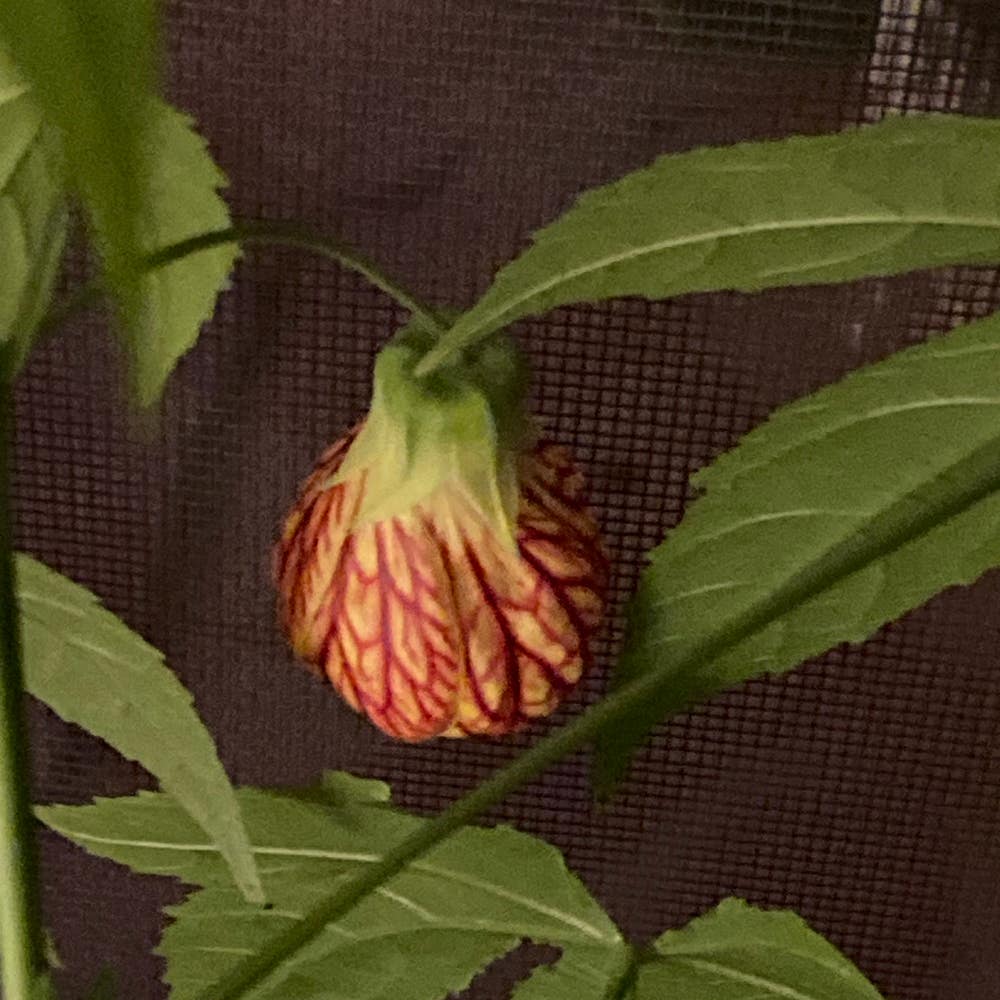
Identifying Bugs on Your Abutilon 'Lucky Lantern Tangerine'
Abutilon 'Lucky Lantern Tangerine'
By the Greg Editorial Team
Jul 24, 2024•6 min read
This article was created with the help of AI so we can cover more plants for you. May contain errors. See one? Report it here.
- 🕷️ Spider mites, aphids, whiteflies, mealybugs: common pests for 'Lucky Lantern Tangerine'.
- 🌡️ Seasonal changes affect pest prevalence: more in warm, dry conditions.
- 🌱 Prevention and IPM: Quarantine new plants, regular inspections, and minimal chemicals.
Pest Resistance and Susceptibility
🌿 Known Resistances
Abutilon 'Lucky Lantern Tangerine' is admired for its resilience in hot climates, hinting at some natural defenses against heat-loving pests. While detailed studies on its pest resistances are sparse, observations suggest:
- Potential resistance to certain heat-intolerant pests.
- A robust nature that may deter common garden pests under optimal growing conditions.
🐜 Common Vulnerabilities
Despite its strengths, this plant has its Achilles' heel when it comes to pests. Gardeners should be particularly vigilant for:
- Spider mites, which thrive in the warm environments this plant loves.
- Aphids, known to target the succulent new growth of many garden plants.
- Whiteflies, which can be problematic in both garden and container settings.
- Mealybugs, that may hide in the crevices of stems and leaves.
Seasonal pest variations should also be considered, as some pests may be more prevalent during certain times of the year.
Identifying Pests
Visual Identification
Spotting pests on your Abutilon 'Lucky Lantern Tangerine' starts with knowing what to look for. Check for:
- Webbing beneath leaves, indicating spider mites.
- Clusters of brown lumps on stems, a sign of scale insects.
- White, cottony substances signaling mealybugs.
- Tiny, pale green to yellow insects, which could be aphids.
Inspect the undersides of leaves and stems, as many pests prefer these hidden spots. Discoloration, spotting, and sticky residues are telltale signs of an infestation.
🌿 Seasonal Pest Variations
Pests may come and go with the seasons. Keep an eye out for:
- Spider mites and whiteflies, which thrive in warm, dry conditions.
- Aphids and mealybugs, often more active in the spring and summer.
- Scale insects, which can be a year-round issue but are more noticeable when plants are stressed.
Regular inspections during these peak times can help catch infestations early.
Pest Profiles and Management
🕷️ Spider Mites
- Identification: Look for tiny, spider-like creatures and fine webs on your Abutilon 'Lucky Lantern Tangerine'.
- Damage: They cause yellowing or bronzing of leaves and can lead to leaf drop.
- Treatment Options:
- Natural: Introduce predatory insects like ladybugs or use insecticidal soap.
- Chemical: Apply miticides such as abamectin or hexythiazox.
🦟 Scale Insects
- Identification: Spot these pests as small, brown, dome-shaped bumps on stems and leaves.
- Damage: They suck plant sap, weakening the plant and causing leaf yellowing.
- Treatment Options:
- Natural: Use a soft brush and soapy water to remove them manually.
- Chemical: Systemic insecticides can be effective if infestation is severe.
🦟 Fungus Gnats and Fruit Flies
- Identification: Small, dark insects hovering around the soil or on the plant.
- Damage: Larvae feed on roots, hindering plant growth.
- Treatment Options:
- Natural: Allow the soil to dry out between watering; use sticky traps.
- Chemical: Apply a soil drench with an appropriate insecticide.
🐞 Mealybugs
- Identification: White, cottony masses in leaf axils and under leaves.
- Damage: They excrete honeydew, leading to sooty mold and stunted growth.
- Treatment Options:
- Natural: Dab with alcohol-soaked cotton swabs or release lacewings.
- Chemical: Insecticidal soaps or neem oil sprays can be effective.
🦗 Aphids
- Identification: Tiny, pear-shaped insects clustering on new growth and under leaves.
- Damage: They cause leaf curling and can transmit plant viruses.
- Treatment Options:
- Natural: Blast them off with water or introduce natural predators.
- Chemical: Apply insecticidal soap or systemic insecticides if needed.
🦋 Whiteflies
- Identification: Tiny, white-winged insects that fly up in clouds when disturbed.
- Damage: Similar to aphids, they produce honeydew and can cause yellowing leaves.
- Treatment Options:
- Natural: Use yellow sticky traps or encourage natural predators.
- Chemical: Insecticidal soaps or neem oil can help control populations.
🐜 Weevils
- Identification: Small, beetle-like insects with a distinctive snout.
- Damage: They chew on leaves and flowers, causing notches or holes.
- Treatment Options:
- Natural: Handpick at night or use traps.
- Chemical: Apply a suitable insecticide following label instructions.
🦠 Unique Pests
- Identification: Any unusual pest activity or damage should be investigated.
- Damage: Specific to the pest; may include unusual leaf spots or deformities.
- Treatment Options:
- Natural: Identify the pest and research targeted natural controls.
- Chemical: Consult with a local extension service for chemical control options specific to the pest.
Prevention and Plant Health
🌿 Proactive Measures
Keeping pests at bay begins with a proactive approach to plant care. Here's how to fortify your Abutilon 'Lucky Lantern Tangerine' against unwanted visitors:
- Quarantine new plants for a few weeks to prevent introducing pests to your garden.
- Maintain a balanced watering schedule and provide adequate lighting to strengthen plant health.
- Clean up fallen leaves and debris to eliminate potential pest hiding spots.
- Ensure good air circulation around your plants to discourage pest colonization.
- Feed your plants appropriately to promote vigor, making them less susceptible to infestations.
🔍 Regular Inspection Routines
Regular inspections are akin to routine health check-ups for your Abutilon 'Lucky Lantern Tangerine'. Here's what to focus on during your plant patrols:
- Examine the undersides of leaves and the junctions of stems for early signs of pests.
- Look for telltale pest indicators like sticky residue (honeydew), webbing, or visible insects.
- Check for symptoms of distress such as unusual leaf discoloration, stunted growth, or leaf drop.
- Remove and treat any affected areas promptly to prevent the spread of pests.
Integrated Pest Management (IPM)
🐞 IPM Principles
Tailoring Integrated Pest Management to your Abutilon 'Lucky Lantern Tangerine' means creating a customized defense strategy. Here's how to apply IPM principles effectively:
- Monitor your plant regularly to catch pests early, when they're easiest to control.
- Identify pests accurately to ensure the correct treatment approach.
- Use cultural practices, such as proper watering and pruning, to prevent pest problems.
- Encourage beneficial insects that prey on common pests of Abutilon 'Lucky Lantern Tangerine'.
- Apply chemical controls sparingly and as a last resort, focusing on the least toxic options.
🔍 Early Detection and Intervention
Catching pests before they become a major problem is key in IPM:
- Inspect your plant frequently for the first signs of pest activity, such as sticky leaves or visible bugs.
- Implement traps or barriers to monitor and control pest populations.
- Take immediate action at the first sign of infestation, using the most targeted and environmentally sensitive methods available.
⚠️ Safety First
This content is for general information and may contain errors, omissions, or outdated details. It is not medical, veterinary advice, or an endorsement of therapeutic claims.
Always consult a qualified healthcare professional before using any plant as food, medicine, or supplement.
Never eat any plant (or feed one to pets) without confirming its identity with at least two trusted sources.
If you suspect poisoning, call Poison Control (800) 222-1222, the Pet Poison Helpline (800) 213-6680, or your local emergency service immediately.
Spotted an error? Please report it here.
Ensure your Abutilon thrives by spotting pests early 🕵️♂️ with Greg's tailored care reminders and community advice for timely intervention.