What to Do About Abutilon 'Lucky Lantern Tangerine' Root Rot
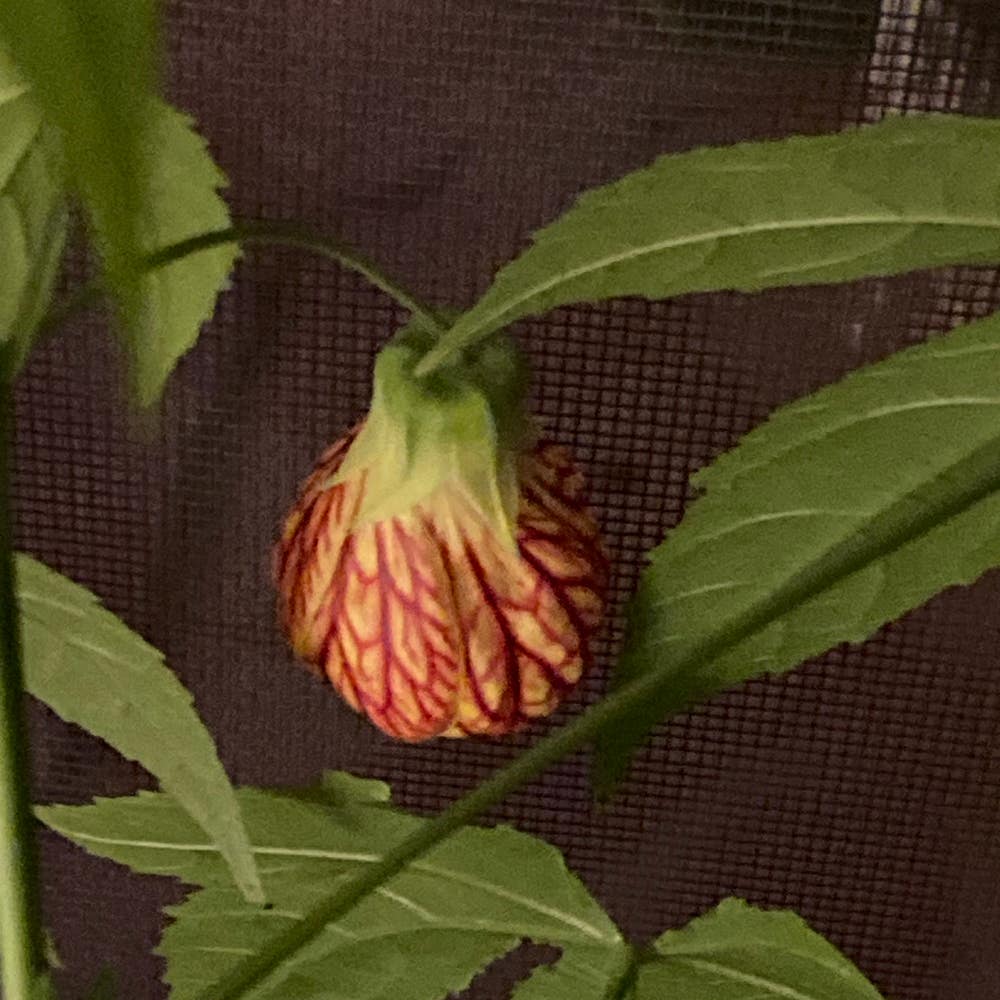
Abutilon 'Lucky Lantern Tangerine'
By the Greg Editorial Team
Jul 25, 2024•3 min read
This article was created with the help of AI so we can cover more plants for you. May contain errors. See one? Report it here.
- 🌱 Early detection of root rot is key for Abutilon 'Lucky Lantern Tangerine'.
- ✂️ Prune and repot to treat root rot, ensuring plant recovery.
- 💧🌬️ Optimize watering and airflow to prevent future root rot issues.
Identifying Root Rot
🚨 Spotting Early Symptoms
Root rot can sneak up on your Abutilon 'Lucky Lantern Tangerine', but early detection is key. Here's what to watch for:
- Yellowing leaves, which could be the first red flag.
- Wilting that persists despite proper watering.
- Root discoloration, with healthy roots being white and firm, while affected ones turn brown or black and mushy.
Differentiating root rot from other plant stress symptoms is crucial:
- If the soil smells musty or like a "forgotten gym locker," you're likely dealing with root rot.
- Stunted growth or a lack of blooming can also indicate the presence of this disease.
🔍 Inspecting the Root System
To confirm your suspicions, a closer look at the roots is necessary. Follow these steps:
- Gently remove the plant from its pot, taking care not to cause further damage.
- Examine the roots for softness, brown coloration, and any foul odor.
Understanding the importance of timely identification can't be overstressed:
- Catching root rot early can mean the difference between saving your plant or losing it.
- Regular root check-ups are as essential as a doctor's visit for maintaining plant health.
Treating Root Rot
🌱 Pruning and Repotting
Root rot calls for immediate action, and pruning is the first step on the road to recovery. Here's how to give your Abutilon 'Lucky Lantern Tangerine' a fighting chance:
- Gently remove the plant from its pot and wash the roots under running water to remove soil and reveal the extent of the damage.
- With sterilized shears, cut away all the dark, soft, and mushy roots, keeping only the healthy, firm ones.
- Clean the pot with a bleach solution or use a new one to eliminate any lingering pathogens.
- Repot the plant in fresh, well-draining soil, ensuring the pot has adequate drainage holes to prevent future waterlogging.
🦠 Fungicide Use
Fungicides are like a protective barrier for your plant's roots, but they must be used wisely:
- Choose a fungicide that's effective against root rot fungi and safe for use on Abutilon 'Lucky Lantern Tangerine'.
- Follow the manufacturer's instructions meticulously for mixing and application.
- Treat the remaining healthy roots with the fungicide solution, either by dipping or as a soil drench, to prevent further fungal invasion.
- Monitor your plant closely after treatment and apply fungicides as a preventive measure during vulnerable periods, like after repotting.
Preventing Future Issues
Optimizing Watering Techniques 🚿
Watering your Abutilon 'Lucky Lantern Tangerine' is less about sticking to a rigid schedule and more about understanding its needs. Here's how to keep the soil perfectly quenched:
- Feel the soil: Before watering, check the top inch of soil. If it's dry, it's time to water; if not, wait.
- Moisture meters: These handy devices take the guesswork out of watering, letting you know exactly when your plant is thirsty.
- Adjust with the seasons: Water less during the plant's dormant season and adjust for environmental changes.
Ensuring Proper Drainage and Airflow 💨
Root rot fears two things: good drainage and airflow. To give it nowhere to hide, consider the following:
- Drainage holes are a must: Choose pots with holes to let excess water escape.
- Improve soil structure: Mix in perlite or vermiculite to enhance aeration.
- Promote air circulation: Keep your plant in a space where air can move freely, reducing excess moisture and humidity.
⚠️ Safety First
This content is for general information and may contain errors, omissions, or outdated details. It is not medical, veterinary advice, or an endorsement of therapeutic claims.
Always consult a qualified healthcare professional before using any plant as food, medicine, or supplement.
Never eat any plant (or feed one to pets) without confirming its identity with at least two trusted sources.
If you suspect poisoning, call Poison Control (800) 222-1222, the Pet Poison Helpline (800) 213-6680, or your local emergency service immediately.
Spotted an error? Please report it here.
Revive your Abutilon 'Lucky Lantern Tangerine' from root rot and prevent future woes with custom care reminders 🚿 from Greg, tailored to your plant's recovery journey.