7 Easy Ways to Pollinate Abutilon 'Lucky Lantern Tangerine'
Abutilon 'Lucky Lantern Tangerine'
By the Greg Editorial Team
Jul 24, 2024•4 min read
This article was created with the help of AI so we can cover more plants for you. May contain errors. See one? Report it here.
- 🌺 Understand flower anatomy to aid Abutilon pollination.
- 🐝 Attract natural pollinators or use manual techniques.
- 🌼 Create a diverse, pollinator-friendly garden for best results.
Flower Anatomy
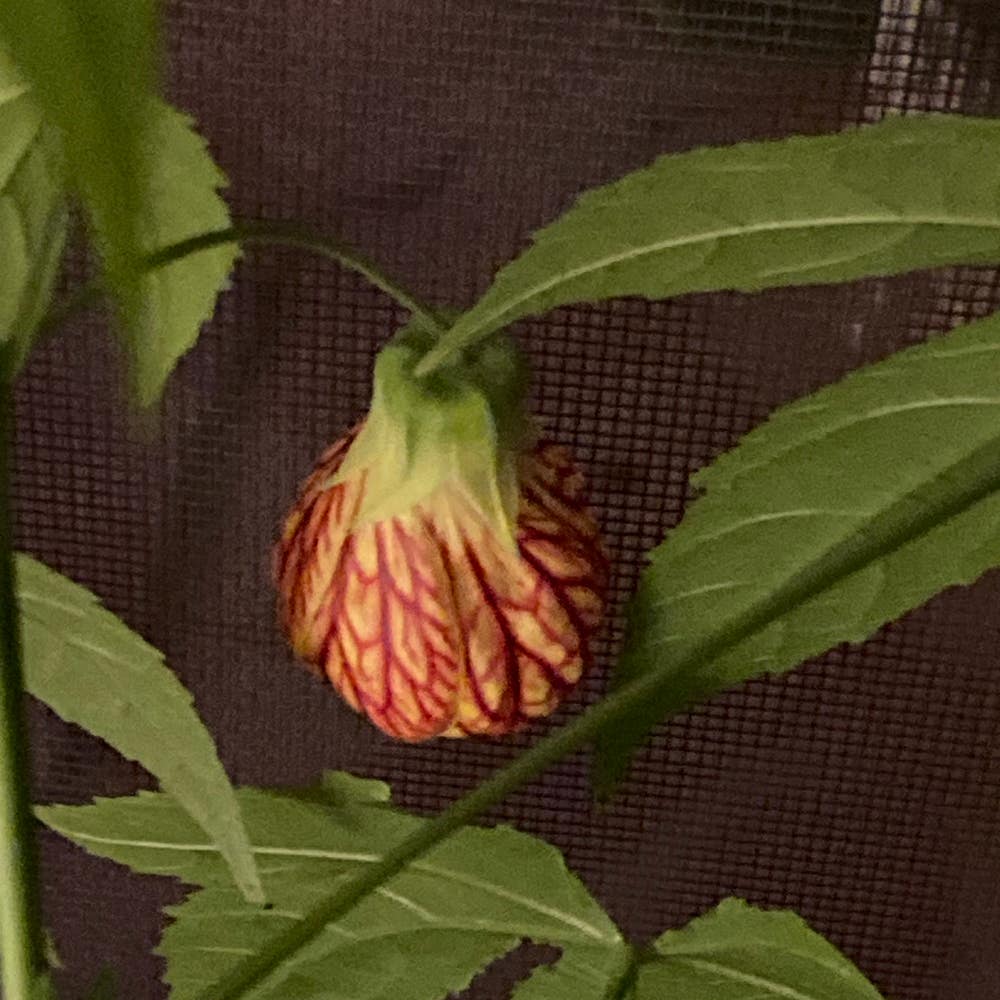
Abutilon 'Lucky Lantern Tangerine' showcases a floral ensemble designed for pollination. The petals, vibrant and inviting, serve as a visual beacon to pollinators, while the sepals act as protective guards for the developing buds.
🌸 Petals and Sepals
- Petals: Typically bright and conspicuous, they attract pollinator species with their color and form.
- Sepals: These green, leaf-like structures encase and shield the flower before it blooms.
🌼 Stamens and Pistils
The stamens and pistils are the core components of reproduction in the flower. The stamens, with their pollen-laden anthers perched atop slender filaments, are poised for pollen transfer. The pistils, marked by the sticky stigma, await the arrival of pollen to commence fertilization.
- Stamens: Consisting of anthers and filaments, they are the male reproductive parts producing pollen.
- Pistils: The female reproductive parts, including the ovary, style, and stigma, facilitate the pollen's journey to the ovules.
Each element of the flower's anatomy is meticulously crafted to optimize pollination, whether through the allure of self-pollination within the flower's own architecture or the enticement of cross-pollination partners.
Attracting Pollinators
Pollinators are the unsung heroes that bring vibrancy to our Abutilon 'Lucky Lantern Tangerine'. Here's how to roll out the red carpet for them.
- Identify the primary pollinators of Abutilon 'Lucky Lantern Tangerine', which may include bees, butterflies, and hummingbirds. Understand that each pollinator has unique preferences and habits that can influence their visitation to your garden.
To create a buzz of activity around your Abutilon 'Lucky Lantern Tangerine', consider these strategies:
- Plant a variety of flowers that bloom at different times, ensuring a constant supply of nectar and pollen.
- Choose native plants and non-hybridized annuals with simple, open flowers to provide easy access to nectar.
- Reduce or eliminate pesticide use, opting for natural pest control methods to protect pollinator health.
- Include features like water sources and nesting sites to cater to the needs of pollinators beyond feeding.
- Embrace diversity in your garden by mixing flowers, shrubs, and trees, which supports a wider range of species.
By following these tips, you'll not only enjoy a garden teeming with life but also contribute to the health of your Abutilon 'Lucky Lantern Tangerine' and the broader ecosystem.
Manual Pollination Techniques
Sometimes, to ensure your Abutilon 'Lucky Lantern Tangerine' thrives, you might need to take pollination into your own hands. Hand pollination can be particularly helpful when natural pollinators are scarce or when you're growing plants indoors.
- Identify the flower parts: Look for the stamens, which carry the pollen, and the central pistil, the female part of the flower.
- Collect pollen: Using a small paintbrush or cotton swab, gently brush against the stamens to gather pollen grains.
- Pollen transfer: Carefully dab the collected pollen onto the pistil's stigma of the same flower or another flower on the plant.
This manual technique mimics the work of natural pollinators, ensuring your plant has the best chance at producing seeds. It's a simple yet delicate process that can be both rewarding and fascinating. Keep an eye out for signs of successful pollination, such as the development of seed pods or changes in the flower's appearance. If you don't see these signs, adjust your technique and try again during the next flowering cycle.
Creating a Pollinator Haven
Creating a sanctuary for pollinators is both rewarding and essential for the health of your Abutilon 'Lucky Lantern Tangerine'. Here's how to design a garden that buzzes with life.
Tips for a Pollinator-Friendly Garden
- Include a variety of plants that flower at different times to provide a continuous food source.
- Opt for native plants like Monarda fistulosa, which offer both medicinal benefits and nectar for pollinators.
- Ensure your garden has ample sunlight and is well-watered to maintain healthy blooms.
- Avoid pesticides, which can harm the very pollinators you're trying to attract.
🌸 Companion Planting
Companion planting is a strategic approach that can enhance pollination and overall garden health. Consider these companions for your Abutilon 'Lucky Lantern Tangerine':
- Ferns and hydrangeas for a lush, textured backdrop.
- Flowering herbs such as lavender, sage, and thyme, which are irresistible to bees and butterflies.
- Lantana and verbena, known for their vibrant blooms and ability to attract a variety of pollinators.
- Echinacea and buddleia, which are not only beautiful but also provide a rich source of nectar.
By integrating these elements into your garden design, you'll create an inviting haven for pollinators and a vibrant ecosystem for your Abutilon 'Lucky Lantern Tangerine'.
⚠️ Safety First
This content is for general information and may contain errors, omissions, or outdated details. It is not medical, veterinary advice, or an endorsement of therapeutic claims.
Always consult a qualified healthcare professional before using any plant as food, medicine, or supplement.
Never eat any plant (or feed one to pets) without confirming its identity with at least two trusted sources.
If you suspect poisoning, call Poison Control (800) 222-1222, the Pet Poison Helpline (800) 213-6680, or your local emergency service immediately.
Spotted an error? Please report it here.
Boost your Abutilon's blooms by fostering a pollinator paradise 🌺 with Greg's species-specific care plans and real-time advice from our plant-loving community.