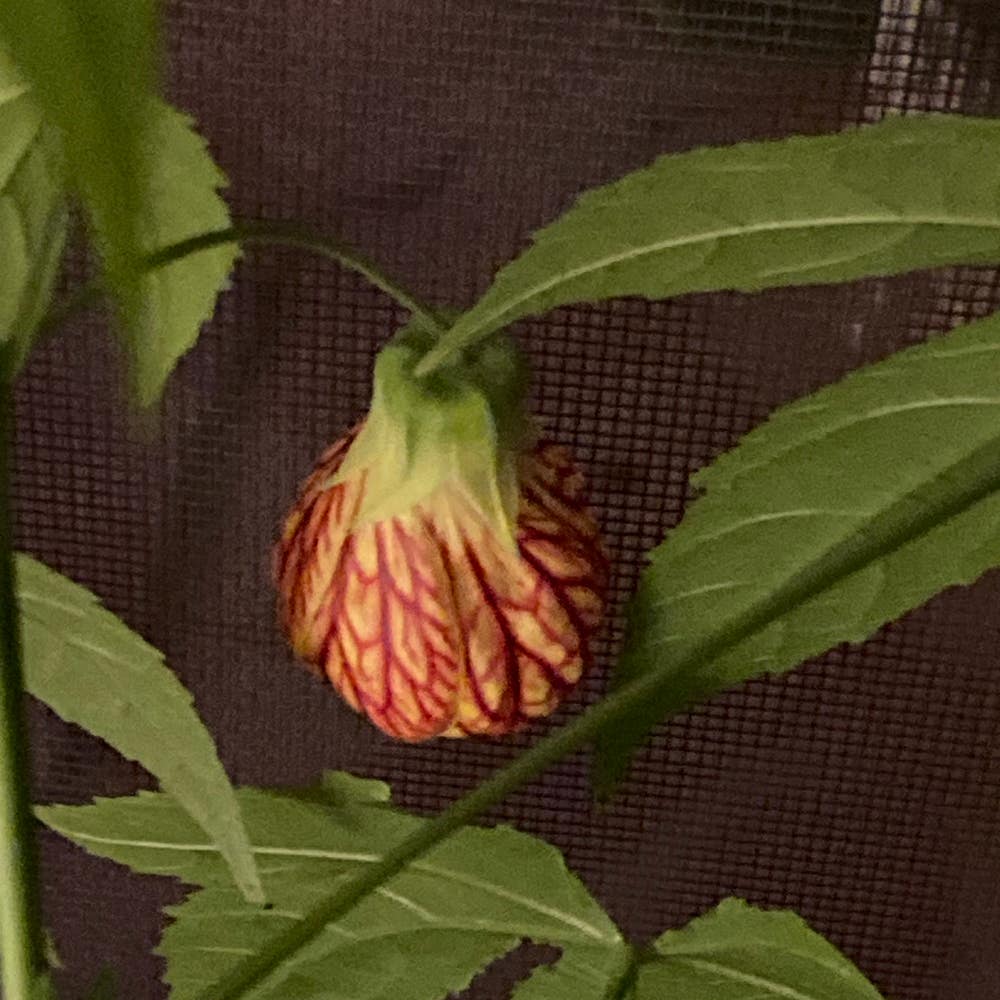
Abutilon 'Lucky Lantern Tangerine': Not an Invasive Plant
Abutilon 'Lucky Lantern Tangerine'
By the Greg Editorial Team
Jul 24, 2024•5 min read
This article was created with the help of AI so we can cover more plants for you. May contain errors. See one? Report it here.
- 🌱 Non-invasive and garden-friendly, Abutilon 'Lucky Lantern Tangerine' enhances biodiversity.
- 🌼 Attracts pollinators with bell-shaped flowers, benefiting local wildlife.
- 📏 Moderate growth; easy to control with pruning and proper spacing.
Non-Invasive Classification
🌿 Defining Invasiveness
Invasiveness in plants is marked by a few red flags: they're often not native, adapt too well, grow too fast, and outcompete locals. An invasive species can also be a prolific seed producer, with seeds that germinate readily and are spread by wildlife. These characteristics can disrupt ecosystems and outbalance native flora.
🌺 Abutilon's Distinction
Abutilon 'Lucky Lantern Tangerine' sidesteps the invasive label with its distinct traits. It doesn't aggressively spread or dominate its neighbors. Here's why it's garden-friendly:
- It's not known to be a rapid, uncontrollable grower.
- It doesn't produce a concerning number of seeds that could lead to unmanaged spread.
- It lacks the tendency to outcompete native species in its growing areas.
- Its growth can be easily managed by gardeners, preventing any escape into wild areas.
Growth Patterns
🌺 Typical Growth Behavior
Abutilon 'Lucky Lantern Tangerine' showcases a vibrant display of bell-shaped flowers and a bushy habit that's a visual treat. Its growth cycle is marked by a steady pace, unfurling new leaves and blooms that keep gardens lively.
- Expect a moderate growth rate, with new foliage emerging in a fountain-like fashion.
- Flowering can occur with sufficient sunlight and water, adding a splash of color to your garden.
🌿 Spread Potential
This plant is a team player, not a garden hog. It respects its neighbors, maintaining a polite distance without encroaching on their space.
- Its spread is self-regulated, preventing it from becoming a nuisance.
- Natural growth limits ensure it stays within its bounds, making it a well-behaved garden resident.
🌞 Optimal Growing Conditions
To thrive without overstepping, Abutilon 'Lucky Lantern Tangerine' seeks just the right environment. Here's how to hit the sweet spot:
- Full to partial sunlight will keep it happy and blooming.
- Well-draining soil and moderate watering match its preference, avoiding the soggy feet it despises.
- A temperate climate suits it best, with USDA Hardiness Zones indicating its comfort zone for growth.
Ecological Contributions
🌺 Benefits to Gardens
Abutilon 'Lucky Lantern Tangerine' is more than just a visual delight with its coral-peach, bell-shaped flowers. It plays a pivotal role in enriching garden biodiversity. Here's how:
- Its nectar-rich blooms are a magnet for pollinators, inviting a buzz of activity from bees and butterflies.
- The plant's dense foliage provides shelter for beneficial insects, contributing to a balanced garden ecosystem.
🦜 Wildlife Interactions
The interactions between Abutilon 'Lucky Lantern Tangerine' and local wildlife are mutually beneficial. Specifically:
- Hummingbirds are drawn to the plant's vibrant flowers, which serve as a reliable nectar source throughout the blooming season.
- Caterpillars of certain butterfly species may use the leaves as a food source, supporting the lifecycle of these pollinators.
- By attracting a variety of pollinators, the plant ensures better pollination for the entire garden, leading to a more robust and thriving environment.
Integrating into Gardens
🎨 Design Considerations
Incorporating Abutilon 'Lucky Lantern Tangerine' into your garden can add a vibrant splash of color and texture. Here's how to blend it seamlessly into various styles:
- Cottage Gardens: Nestle among flowering perennials for a charming, whimsical look.
- Modern Landscapes: Use as a structured focal point in minimalist designs.
- Urban Spaces: Thrives in containers for balcony or rooftop gardens.
- Wildlife Gardens: Attracts pollinators, enriching biodiversity.
🌱 Growth Control
Managing the size and shape of your Abutilon 'Lucky Lantern Tangerine' is straightforward with these tips:
- Pruning: Trim after flowering to maintain a compact form.
- Spacing: Allow room for mature spread to avoid overcrowding.
- Support: Provide stakes or trellises for taller varieties.
- Container Growing: Control growth by choosing the right pot size.
By following these guidelines, you'll enjoy the beauty of 'Lucky Lantern Tangerine' without it taking over your garden space.
Plant Comparisons
Similar Species Analysis
Abutilon 'Lucky Lantern Tangerine' shares the stage with a variety of non-invasive species, each playing its part in the garden's ecological theater. Unlike invasive species that tend to dominate and disrupt, non-invasives like the ZZ Plant coexist peacefully, supporting local biodiversity. Abutilon 'Lucky Lantern Tangerine' is similar to other non-aggressive plants in that it doesn't outcompete natives for resources, instead contributing to a balanced garden ecosystem.
- Growth comparison with similar species:
- Both Abutilon 'Lucky Lantern Tangerine' and the Echinopsis tiegeliana exhibit controlled growth patterns, making them suitable for container gardening.
- Like the Money Tree, Abutilon 'Lucky Lantern Tangerine' is non-toxic, making it a safe choice for households with pets or children.
Unique Advantages
Abutilon 'Lucky Lantern Tangerine' stands out with its vibrant tangerine blooms and compact growth, offering a splash of color without overwhelming garden spaces. Its unique advantages include:
- Distinctive tangerine-colored flowers that provide visual interest throughout its blooming season.
- A growth habit that remains manageable, ideal for gardeners who appreciate beauty without the hassle of constant pruning.
By choosing Abutilon 'Lucky Lantern Tangerine,' gardeners can enjoy the dual benefits of aesthetic appeal and ecological harmony, a testament to the plant's value in sustainable gardening practices.
Sustainable Gardening
Regulatory Compliance
Before introducing Abutilon 'Lucky Lantern Tangerine' to your garden, it's prudent to familiarize yourself with local planting regulations.
- Research local plant introduction laws to ensure you're not inadvertently cultivating a species that's restricted or requires special handling.
- Adherence to regional agricultural standards is not only a legal obligation but also a commitment to environmental stewardship.
🌿 Eco-Friendly Practices
Sustainable cultivation of Abutilon 'Lucky Lantern Tangerine' goes beyond legal compliance; it encompasses a holistic approach to gardening that respects and enhances the natural environment.
- Utilize organic mulches and compost to enrich the soil naturally, reducing the need for chemical fertilizers.
- Implement water conservation techniques such as drip irrigation or rainwater harvesting to maintain your plants.
- Encourage biodiversity by pairing Abutilon 'Lucky Lantern Tangerine' with companion plants that attract beneficial insects and pollinators.
- Consider the use of growth regulators sparingly and only after trialing in your specific environment, as they can have broader ecological impacts.
⚠️ Safety First
This content is for general information and may contain errors, omissions, or outdated details. It is not medical, veterinary advice, or an endorsement of therapeutic claims.
Always consult a qualified healthcare professional before using any plant as food, medicine, or supplement.
Never eat any plant (or feed one to pets) without confirming its identity with at least two trusted sources.
If you suspect poisoning, call Poison Control (800) 222-1222, the Pet Poison Helpline (800) 213-6680, or your local emergency service immediately.
Spotted an error? Please report it here.
Cultivate a garden-friendly 🌼 oasis with Abutilon 'Lucky Lantern Tangerine' and let Greg's tailored care reminders keep your blooms thriving without the worry of invasiveness.