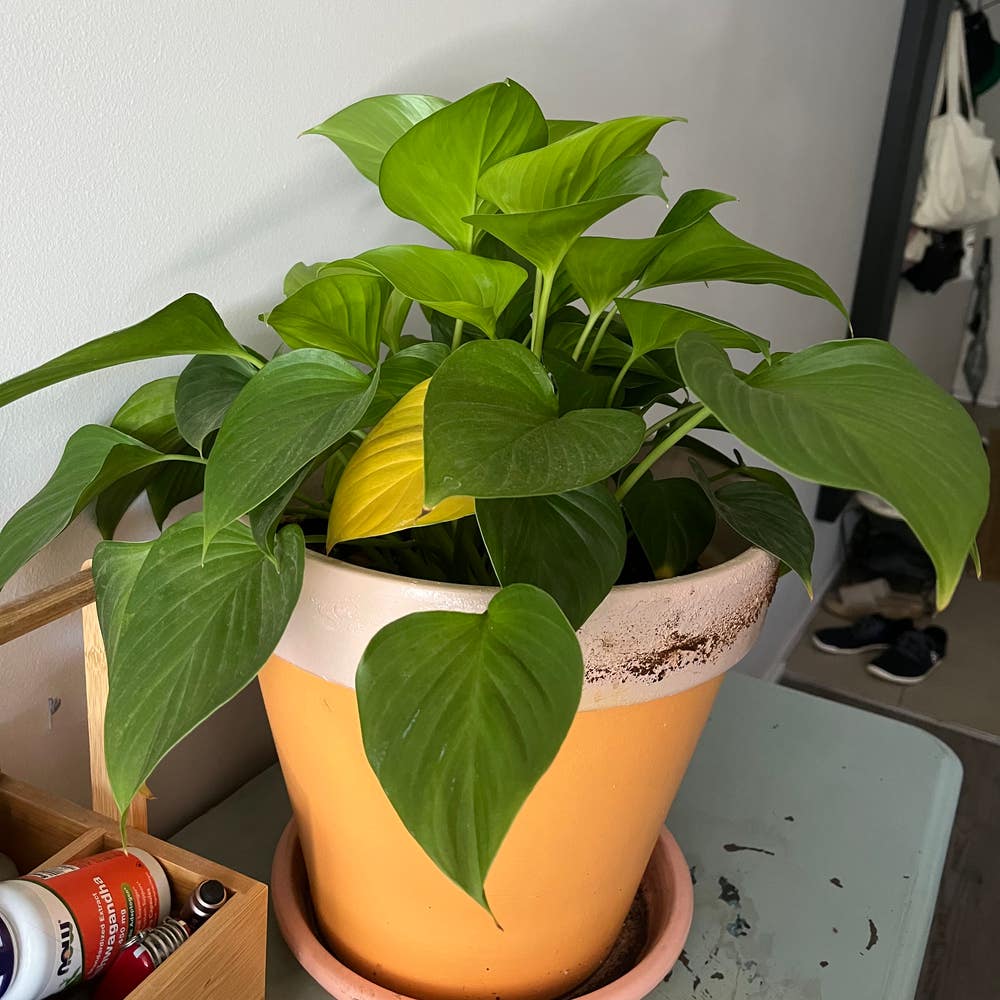
❤️ Determining What Might Be Eating Your Queen of Hearts
Homalomena rubescens ‘Maggy’
By the Greg Editorial Team
Sep 30, 2024•7 min read
This article was created with the help of AI so we can cover more plants for you. May contain errors. See one? Report it here.
- 🦌 Identify common herbivores like deer and rabbits damaging your Queen of Hearts.
- 🚫 Use effective deterrents such as fencing and organic repellents to protect your plants.
- 🌼 Encourage beneficial insects for natural pest control and enhanced pollination in your garden.
Common Herbivores Affecting Queen of Hearts
🦌 Deer
Signs of presence
Look for distinct hoof prints in the soil and dark, pellet-like droppings near your Queen of Hearts. These signs indicate that deer are frequent visitors.
Type of damage caused
Deer browsing can strip leaves and young shoots, leading to stunted growth. This can severely impact the health of your plants.
Beneficial vs. harmful interaction
Generally, deer are harmful. If left unmanaged, they can decimate your plant populations.
Deterrent methods
To keep deer at bay, consider installing 8-foot tall fences. You can also use commercial deer repellents or homemade solutions like garlic spray.
🐇 Rabbits
Signs of presence
Rabbits leave behind clean cuts on young shoots and small, round droppings scattered around. These signs are clear indicators of their presence.
Type of damage caused
Grazing by rabbits can cause significant damage to foliage and stems. This can lead to a decline in plant health.
Beneficial vs. harmful interaction
Rabbits are generally harmful. Their feeding habits can lead to severe plant damage.
Deterrent methods
Netting is an easy way to cover your plants and prevent rabbit access. You can also use organic repellents with scents like peppermint or cayenne.
🐿️ Squirrels
Signs of presence
Look for chewed bark on the trunk and branches, as well as nests in nearby trees. These are signs that squirrels are around.
Type of damage caused
Squirrels strip bark, which weakens the plant's structure and health. This can have long-term effects on your Queen of Hearts.
Beneficial vs. harmful interaction
Squirrels are generally harmful. Their activities can lead to lasting damage.
Deterrent methods
To deter squirrels, use scare tactics like reflective objects or noise-makers. Live traps can also help relocate them.
🐦 Birds
Signs of presence
Check for visible holes or damage on ripe fruits and nests in nearby branches. These signs indicate bird activity.
Type of damage caused
Birds can cause fruit loss, reducing both yield and aesthetic value. This can be frustrating for gardeners.
Beneficial vs. harmful interaction
Birds have a mixed interaction with your plants. While some are beneficial pollinators, others can be harmful.
Deterrent methods
Netting can protect fruits from pecking. Hanging shiny objects can also deter birds effectively.
🐭 Rodents (mice, voles)
Signs of presence
Look for small burrows or pathways in the soil and dark pellets near the plant base. These signs indicate rodent activity.
Type of damage caused
Rodents can damage roots, leading to plant decline. This can significantly affect the health of your Queen of Hearts.
Beneficial vs. harmful interaction
Rodents are generally harmful. Their feeding habits can cause substantial damage.
Deterrent methods
Using traps—either snap traps or live traps—can help with removal. Habitat modification, like reducing cover and food sources nearby, is also effective.
🦡 Groundhogs/Woodchucks
Signs of presence
Look for large burrows near the plant base and distinctive gnaw marks on stems. These signs indicate groundhog activity.
Type of damage caused
Heavy grazing by groundhogs can decimate entire plants. This can be devastating for your garden.
Beneficial vs. harmful interaction
Groundhogs are generally harmful. Their impact on garden health can be significant.
Deterrent methods
Fencing with strong barriers can prevent access. You can also use commercial or homemade repellents, such as castor oil.
Understanding these common herbivores and their interactions with your Queen of Hearts is crucial for effective garden management. Next, let’s explore the beneficial animals that can positively impact your garden ecosystem.
Beneficial Animals and Ecosystem Impact
🐞 Attracting Beneficial Insects
Queen of Hearts plants are magnets for beneficial insects.
Pollinators like bees and butterflies flock to their vibrant flowers, enhancing flowering and ensuring a bountiful garden.
Predatory insects, such as ladybugs and lacewings, also find a home among the leaves. They play a crucial role in controlling pest populations, keeping harmful insects at bay.
🌱 Positive Impacts on the Garden Ecosystem
The presence of these beneficial insects leads to significant positive impacts on your garden.
Pollination is vital; it increases fruit and seed production, resulting in a more fruitful harvest.
Moreover, these predatory insects provide natural pest control, creating a balanced ecosystem that minimizes the need for chemical interventions.
By fostering an environment that attracts these helpful critters, you not only protect your Queen of Hearts but also promote overall garden health.
🏁 Conclusion
Understanding the role of beneficial animals in your garden can transform your approach to plant care.
As you nurture these allies, you create a thriving ecosystem that supports both your plants and the wildlife around them.
Next, let’s explore general strategies for protecting your Queen of Hearts from potential threats while maintaining this delicate balance.
General Strategies for Protecting Queen of Hearts
🛡️ Preventive Measures
Fencing
Establishing barriers is one of the most effective ways to protect your Queen of Hearts. An 8-foot tall fence can deter even the most determined herbivores.
Companion Planting
Using plants that naturally repel pests can create a protective environment. Consider planting herbs like mint or marigolds alongside your Queen of Hearts to keep unwanted visitors at bay.
⚠️ Reactive Solutions
Traps
For immediate removal of pests, traps are a practical solution. Live traps can help you relocate animals without harm, ensuring they don't return.
Organic Repellents
Utilizing natural scents can effectively deter animals. Sprays made from garlic or peppermint are not only eco-friendly but also safe for your plants.
🌱 Balancing Ecosystem Health
Encouraging Beneficial Insects
While protecting your plants, it's crucial to foster a healthy ecosystem. Attracting beneficial insects like ladybugs can help control harmful pest populations.
Managing Harmful Ones
Striking a balance means being proactive about harmful species while nurturing the good ones. This approach not only protects your Queen of Hearts but also enhances the overall health of your garden.
By implementing these strategies, you can create a thriving environment for your Queen of Hearts, ensuring it flourishes amidst potential threats. Next, let’s explore seasonal considerations that can further impact your plant's health.
Seasonal Considerations
Seasonal Variations in Animal Attraction 🦋
Understanding the seasonal patterns of animal activity is crucial for protecting your Queen of Hearts.
Spring marks a time of increased activity as many animals emerge from hibernation, eager to munch on fresh foliage.
Summer is when feeding peaks, with herbivores actively seeking out tender plants, making vigilance essential.
Timing of Plant Vulnerability ⏰
The timing of your plant's vulnerability is equally important.
Young shoots are particularly susceptible in early spring, as they are tender and easily damaged.
During the flowering phase, your Queen of Hearts attracts both beneficial pollinators and harmful herbivores, creating a delicate balance in your garden ecosystem.
By staying aware of these seasonal dynamics, you can better protect your plants while fostering a thriving environment.
Next, we’ll explore the beneficial animals that can enhance your garden's health.
Toxic Effects of Queen of Hearts
Potential Toxicity 🌿
Queen of Hearts plants possess compounds that can be toxic to certain animals. This toxicity may deter some herbivores, making them think twice before munching on the leaves.
Implications for Animal Interactions 🦙
Understanding the toxic nature of Queen of Hearts is crucial for effective garden management. It can help you anticipate which animals might avoid the plant and which could still be drawn to it despite the risks.
Managing Animal Behavior 🐾
By recognizing the plant's toxicity, you can better strategize your approach to protecting your garden. This knowledge allows you to create a balanced ecosystem, encouraging beneficial interactions while minimizing harmful ones.
Incorporating these insights into your gardening practices can lead to healthier plants and a thriving garden environment. Next, let’s explore general strategies for protecting your Queen of Hearts from herbivores and pests.
⚠️ Safety First
This content is for general information and may contain errors, omissions, or outdated details. It is not medical, veterinary advice, or an endorsement of therapeutic claims.
Always consult a qualified healthcare professional before using any plant as food, medicine, or supplement.
Never eat any plant (or feed one to pets) without confirming its identity with at least two trusted sources.
If you suspect poisoning, call Poison Control (800) 222-1222, the Pet Poison Helpline (800) 213-6680, or your local emergency service immediately.
Spotted an error? Please report it here.
Keep your Queen of Hearts thriving 🌿 by using Greg's tailored tips to deter herbivores and create a balanced garden ecosystem!