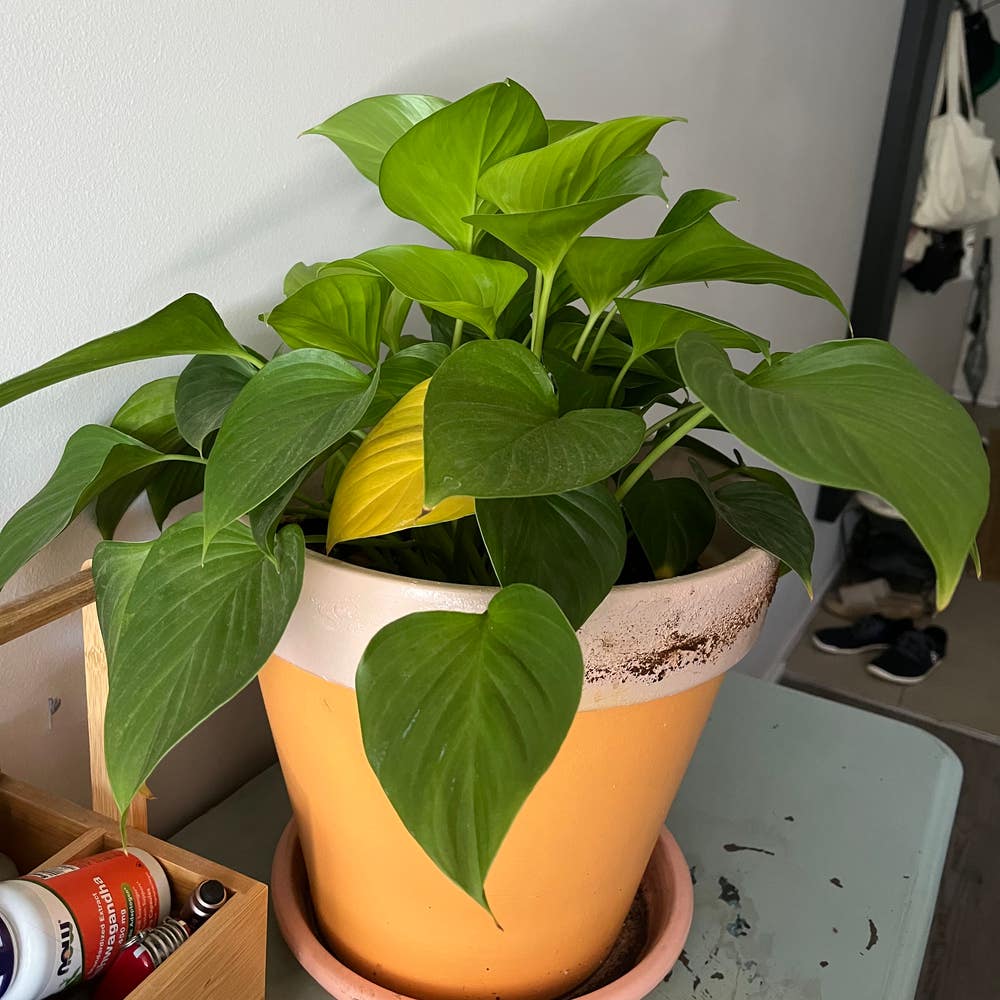
🐞 What Are The Bugs on My Homalomena Maggy?
Homalomena rubescens ‘Maggy’
By the Greg Editorial Team
Jun 18, 2024•3 min read
This article was created with the help of AI so we can cover more plants for you. May contain errors. See one? Report it here.
- 🕷️ Spider mites and scale sap your plant's strength; combat with water, miticides, or soap.
- 🍄 Fungus gnats, fruit flies, mealybugs, aphids threaten health; use traps, swabs, or natural predators.
- 🛡️ Prevent pests with environmental control, cleanliness, and beneficial insects.
Meet the Unwanted Guests: Common Pests on Homalomena Maggy
🕷️ Spider Mites: The Sneaky Sap-Suckers
Tiny webs on your Homalomena Maggy? Spider mites are likely the culprits. These minuscule pests weave their homes between leaves, sapping the plant's strength.
Blast them away with water or apply miticides if they're stubborn. Predatory mites are also an eco-friendly hitman for these pests.
🦠 Scale: The Sticky Freeloaders
Scale insects disguise themselves as bumps on stems and leaves. They're the freeloaders of the plant world, sticking to your Homalomena and siphoning its sap.
To fight back, scrape them off or use insecticidal soap. Neem oil is another go-to for a clean sweep.
🦟 Fungus Gnats and Fruit Flies: The Soil Lurkers
Notice tiny insects flitting around your plant? Fungus gnats and fruit flies love moist soil. They're not just annoying—they can harm young plants.
Dry out the topsoil and consider a layer of sand to discourage them. Yellow sticky traps can catch adults, breaking the life cycle.
🐛 Mealybugs: The Fluffy Vandals
Mealybugs look like tiny cotton clumps, feasting on your plant's juices. They're the fluffy vandals leaving a sticky mess.
Alcohol swabs can evict them on a small scale. For a larger infestation, shower your plant with soapy water or neem oil, focusing on leaf undersides.
🦗 Aphids: The Tiny Terrorists
Aphids are the green or black dots clustering on new growth. They're tiny terrorists, draining your Homalomena's vitality.
Spray them off or introduce ladybugs, nature's own anti-aphid agents. Insecticidal soaps or neem oil can also provide relief.
Other Possible Pests
Thrips and whiteflies might also crash the party. Thrips leave silvery trails, while whiteflies swarm when disturbed.
Keep an eye out for these signs and be ready with insecticidal soap or natural predators. Early detection is your best defense.

Fortifying Your Homalomena Maggy: Pest Prevention Strategies
🌿 Environmental Defense
Creating a hostile environment for pests is key. Humidity and temperature play a crucial role. Homalomena Maggy thrives in high humidity, but getting it just right can discourage pest invasions. Too much moisture invites fungus gnats, while spider mites love dry air. Strike a balance—keep it humid enough for your plant's happiness but not a bug's paradise.
🌱 Cultural Practices
Cleanliness is your plant's best friend. Regularly remove debris and fallen leaves to prevent pests from setting up camp. Introduce new plants cautiously; quarantine them to ensure they're not Trojan horses for pests. Adjust your fertilization—overdoing it can be a neon welcome sign for unwanted guests.
🐞 Physical Barriers and Natural Predators
Embrace nature's hitmen. Ladybugs and lacewings are not just pretty faces; they're aphid assassins. Consider natural predators as part of your pest control posse. And don't forget about physical barriers. A sprinkle of diatomaceous earth can act like a moat around your Homalomena Maggy, keeping the creepy crawlies at bay. Sticky traps? They're like flypaper for the winged nuisances. Use them.


⚠️ Safety First
This content is for general information and may contain errors, omissions, or outdated details. It is not medical, veterinary advice, or an endorsement of therapeutic claims.
Always consult a qualified healthcare professional before using any plant as food, medicine, or supplement.
Never eat any plant (or feed one to pets) without confirming its identity with at least two trusted sources.
If you suspect poisoning, call Poison Control (800) 222-1222, the Pet Poison Helpline (800) 213-6680, or your local emergency service immediately.
Spotted an error? Please report it here.
Keep your Homalomena Maggy pest-free 🐛 with Greg's tailored environment tracking to deter those sap-sucking invaders!