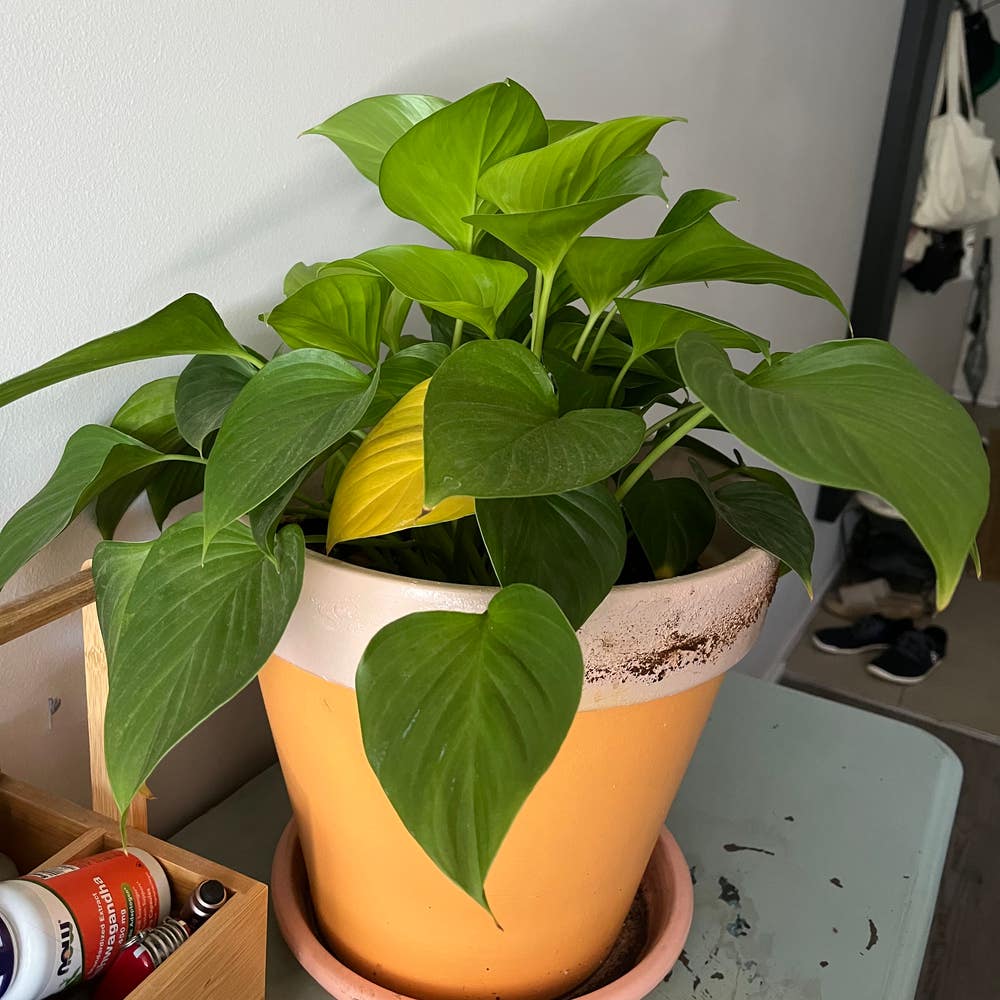
💖 5 Tips for Healing Brown Spots on Your Queen of Hearts
Homalomena rubescens ‘Maggy’
By the Greg Editorial Team
Sep 30, 2024•5 min read
This article was created with the help of AI so we can cover more plants for you. May contain errors. See one? Report it here.
- 💧 Overwatering causes mushy leaves; adjust your watering schedule for healthier plants.
- 🌱 Fungal and bacterial infections lead to brown spots; treat with fungicides or neem oil.
- 🔍 Regular inspections catch pests early; maintain humidity and clean leaves for optimal health.
Diagnosing the Problem
🌊 Identifying Symptoms of Overwatering
Overwatering is a common issue for Queen of Hearts plants. Look for soft, mushy leaves, which indicate stress from excess moisture.
Next, examine the roots. Dark, mushy roots are a clear sign of rot, signaling that the plant is drowning.
Finally, check the soil moisture. If it remains consistently wet, it’s time to adjust your watering habits.
💧 Recognizing Signs of Underwatering
Underwatering can also lead to brown spots. Check the leaves for dry, crispy edges and browning tips, which are telltale signs of dehydration.
Inspect the soil as well. If it’s dry and hard, pulling away from the pot, your plant is likely thirsty. Drooping and wilting leaves further confirm this distress.
🦠 Differentiating Between Fungal and Bacterial Infections
Fungal infections can be tricky. Look for dark brown spots surrounded by yellow halos; these indicate a fungal issue.
To treat fungal infections, apply fungicides and improve air circulation around the plant.
On the other hand, bacterial infections present as water-soaked spots that may ooze. For these, remove affected leaves and use antibacterial sprays to halt the spread.
Understanding these symptoms will help you take the right steps toward healing your Queen of Hearts. Next, we’ll explore effective treatment options to address these issues.
Treatment Options
Step-by-Step Guide to Treating Brown Spots 🌱
Assess the watering schedule: Start by adjusting your watering routine based on the symptoms you observe. If the soil is too wet or too dry, your plant will struggle.
Inspect for pests: Use a magnifying glass to closely examine the leaves and stems. This will help you spot any pests that might be causing damage.
Remove affected leaves: Carefully cut away any leaves showing significant damage. Clean cuts will help prevent further infection.
Apply appropriate treatments: Depending on the issue, use fungicides or natural remedies to treat the plant. Choose the method that aligns with your gardening philosophy.
Recommended Fungicides or Treatments for Leaf Spots 🧪
Chemical options: For severe cases, systemic fungicides can be effective. They work from within the plant to combat infections.
Organic options: Consider using neem oil or baking soda solutions. These are gentler on the environment and can still yield great results.
Application frequency: Apply treatments every 7-14 days until you notice improvement. Consistency is key to effective healing.
Natural Remedies for Pest Control 🌿
Insecticidal soap: This is a go-to for tackling soft-bodied pests like aphids. It’s easy to use and generally safe for your plant.
Homemade garlic or pepper sprays: These can deter pests such as aphids and spider mites. A little DIY effort can go a long way in keeping your plant healthy.
Regularly misting leaves: This simple act increases humidity and can help deter pests. It’s a small change that can make a big difference.
By following these treatment options, you can effectively address brown spots on your Queen of Hearts. Next, let’s explore preventive measures to keep your plant thriving and healthy.
Preventive Measures
Best Watering Practices for Queen of Hearts 🌊
To keep your Queen of Hearts thriving, it's crucial to monitor your watering habits. Allow the top inch of soil to dry out between waterings to prevent overwatering.
Bottom watering is an effective technique that encourages deeper root growth. Look for signs of proper watering, such as consistent leaf color and firmness, to ensure your plant is happy and healthy.
Ideal Humidity and Temperature Conditions 🌡️
Humidity plays a significant role in the health of your plant. Use a humidifier or pebble trays to maintain optimal humidity levels.
Aim for a temperature range of 65°F to 80°F (18°C to 27°C). Also, be mindful of drafts; keep your plant away from air conditioning vents and heaters to avoid stress.
Soil Selection and Drainage Tips 🪴
Choosing the right soil is essential for your plant's well-being. Opt for peat-based mixes that include perlite for excellent drainage.
Ensure your pots have drainage holes to prevent water accumulation, which can lead to root rot. Repot your Queen of Hearts every 1-2 years to refresh the soil and check on root health.
By following these preventive measures, you can significantly reduce the risk of brown spots and keep your plant flourishing. Next, let’s explore ongoing care strategies to maintain its vibrant health.
Ongoing Care
Regular Maintenance Routines to Prevent Brown Spots 🌿
To keep your Queen of Hearts thriving, establish a routine for weekly inspections. Check for pests and assess leaf health to catch any issues early.
Cleaning the leaves is also essential. Wipe them with a damp cloth to remove dust, allowing the plant to breathe better and absorb light efficiently.
Fertilization is key during the growing season. Aim to fertilize every 4-6 weeks to provide the nutrients your plant needs to flourish.
Monitoring Plant Health and Early Detection Strategies 🔍
Keeping a care journal can be a game-changer. Track your watering, humidity levels, and growth patterns to identify what works best for your plant.
Be vigilant for signs of distress. Early identification of wilting or discoloration can help you address problems before they escalate.
Adjust your care based on seasonal changes. For instance, increasing humidity in winter can make a significant difference in your plant's health.
Seasonal Care Adjustments for Queen of Hearts ☀️
In summer, your Queen of Hearts will appreciate increased watering and humidity. This is the time to ensure your plant stays hydrated and happy.
As winter approaches, reduce watering frequency and monitor for drafts. Your plant will need less moisture during this time, so be mindful of its needs.
Spring is the perfect time for repotting. Refresh the soil and check for root health to set your plant up for a successful growing season ahead.
By following these ongoing care tips, you can ensure your Queen of Hearts remains vibrant and free from brown spots. Transitioning to preventive measures will further enhance your plant's resilience and beauty.
⚠️ Safety First
This content is for general information and may contain errors, omissions, or outdated details. It is not medical, veterinary advice, or an endorsement of therapeutic claims.
Always consult a qualified healthcare professional before using any plant as food, medicine, or supplement.
Never eat any plant (or feed one to pets) without confirming its identity with at least two trusted sources.
If you suspect poisoning, call Poison Control (800) 222-1222, the Pet Poison Helpline (800) 213-6680, or your local emergency service immediately.
Spotted an error? Please report it here.
Transform your Queen of Hearts into a vibrant beauty 🌿 by using Greg's tailored care reminders and tracking tools to keep those pesky brown spots at bay!