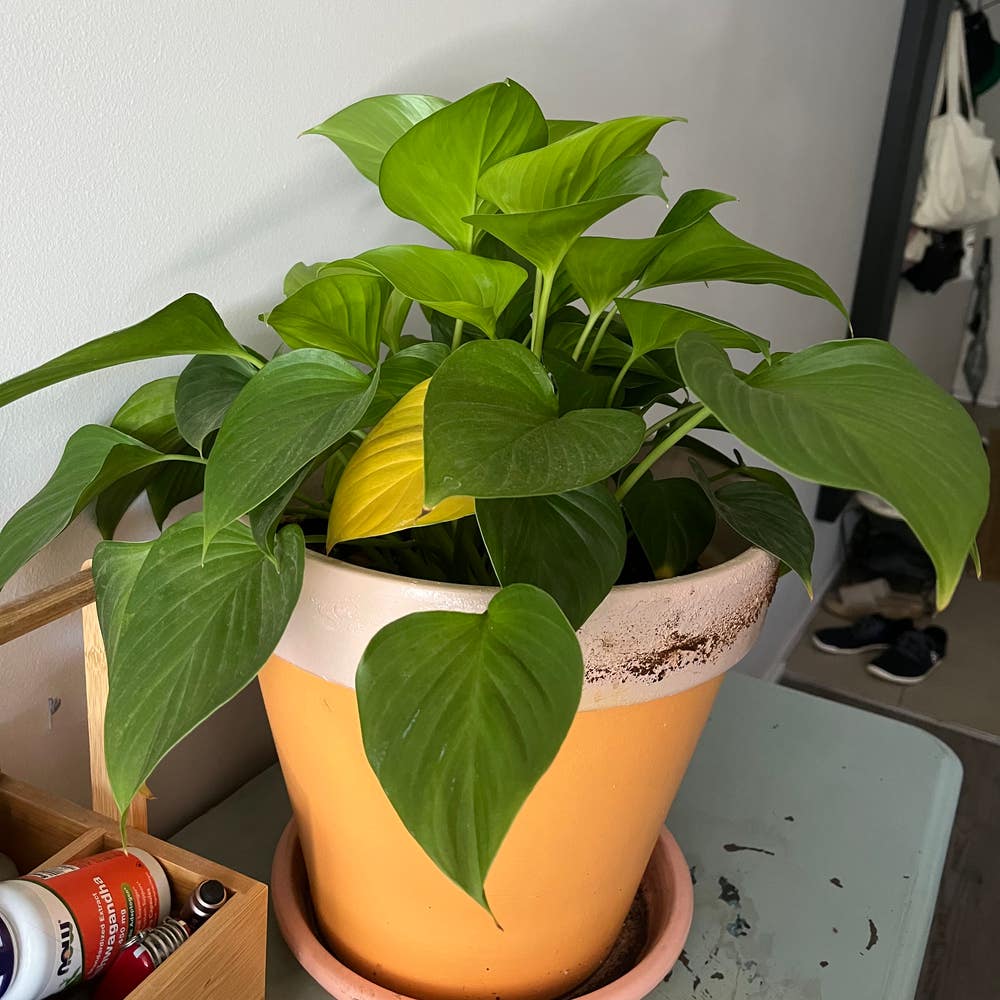
❤️ What to Do About Black Spots on Your Queen of Hearts
Homalomena rubescens ‘Maggy’
By the Greg Editorial Team
Sep 30, 2024•5 min read
This article was created with the help of AI so we can cover more plants for you. May contain errors. See one? Report it here.
- 🕵️♀️ Identify black spots to determine if they're fungal or pest-related for effective treatment.
- 🌡️ Maintain humidity between 50-70% and temperatures of 20-30°C for optimal growth.
- 🌱 Use neem oil or baking soda solutions every 7-14 days to combat fungal infections.
Diagnosing the Problem
Differentiating Between Fungal and Pest Issues 🦠
Identifying the cause of black spots on your Queen of Hearts is crucial. Fungal infections often present as black spots surrounded by yellow halos or even fuzzy growths.
In contrast, pest damage can manifest as webbing from spider mites or sticky residue left by aphids. A thorough visual inspection is essential; make sure to check the undersides of leaves and stems for any signs of trouble.
Environmental Factors Contributing to Black Spots 🌧️
Environmental conditions play a significant role in your plant's health. The ideal humidity range for a Queen of Hearts is between 50-70%, which helps prevent fungal issues.
Temperature fluctuations can also affect your plant. Aim for a stable environment with temperatures between 20-30°C (68-86°F) to keep your Queen thriving. Additionally, ensure that the soil drains well to avoid waterlogging, which can lead to further complications.
By understanding these factors, you can better diagnose and address the issues affecting your plant. Next, we’ll explore effective treatment options to help restore your Queen of Hearts to its former glory.
Treatment Options
🌱 Organic Treatments for Fungal Infections
When it comes to treating fungal infections on your Queen of Hearts, organic solutions can be both effective and safe.
Neem Oil Application
Neem oil is a powerhouse against fungal issues. To use it, dilute one to two tablespoons of neem oil in a gallon of water, then spray it on affected areas every seven to fourteen days.
Baking Soda Solution
A simple baking soda solution can also work wonders. Mix one tablespoon of baking soda, one teaspoon of liquid soap, and a gallon of water. Spray this mixture on the leaves, ensuring thorough coverage, especially on the undersides.
Beneficial Fungi
Consider introducing mycorrhizal fungi to your soil. These beneficial fungi can outcompete harmful pathogens, promoting a healthier root system and reducing the likelihood of fungal infections.
⚗️ Chemical Treatments and Fungicides
For more severe cases, chemical treatments may be necessary.
Recommended Fungicides
Look for fungicides with active ingredients like copper-based compounds. These are effective against a range of fungal diseases and can provide quick relief.
Application Guidelines
Follow the manufacturer's instructions for application frequency and method. Typically, you’ll want to apply every 7 to 14 days until the issue is resolved.
Safety Precautions
Always take precautions to protect beneficial insects. Apply fungicides in the evening to minimize harm to pollinators and avoid overusing these chemicals to prevent resistance.
🏡 Home Remedies for Black Spots
If you prefer a more DIY approach, several home remedies can help combat black spots.
Milk Spray
A milk spray can be surprisingly effective against fungal infections. Mix one part milk with two parts water and spray it on the affected areas weekly.
Garlic or Chili Pepper Spray
Garlic or chili pepper sprays can deter pests and fungi alike. Blend a few cloves of garlic or a couple of chili peppers with water, strain, and spray on the leaves.
Regular Cleaning
Don’t underestimate the power of cleanliness. Regularly wipe down leaves with a damp cloth to remove spores and dust, promoting better air circulation and plant health.
By implementing these treatment options, you can effectively manage black spots on your Queen of Hearts and keep your plant thriving. Next, let’s explore preventive measures to ensure your plant stays healthy and vibrant.
Preventive Measures
Proper Watering Techniques 💧
Watering your Queen of Hearts requires a keen understanding of its needs. During the growing season, aim to water when the top inch of soil feels dry, adjusting frequency based on humidity levels.
Overwatering can lead to yellowing leaves and mushy roots, signaling distress. Conversely, underwatering manifests as dry, crispy leaves and stunted growth, indicating it's time to hydrate.
Importance of Soil Drainage 🪴
Choosing the right soil mix is crucial for your plant's health. A blend that includes perlite or sand promotes optimal drainage, preventing waterlogged roots.
Selecting pots with drainage holes is equally important. When repotting, consider the plant's growth; if roots are crowded, it's time to upgrade to a larger pot for better drainage.
Ideal Humidity and Light Conditions ☀️
Your Queen of Hearts thrives in bright, indirect light. Too much direct sunlight can scorch its leaves, while too little can stunt its growth.
Humidity control is essential, especially in dry environments. Using humidifiers or pebble trays can help maintain the ideal moisture level, particularly during the winter months when indoor air tends to be drier.
By implementing these preventive measures, you can create a nurturing environment for your Queen of Hearts, reducing the likelihood of black spots and other issues. Next, let’s explore how to monitor your plant's health effectively.
Monitoring Plant Health
🕵️♀️ Regular Inspection for Early Signs
To keep your Queen of Hearts thriving, conduct weekly inspections for black spots and pests. Look for changes in leaf color, texture, and overall vigor to catch issues early.
Documenting these changes in a plant care journal can be incredibly helpful. Tracking your plant's health over time allows you to identify patterns and respond promptly to any concerns.
🌱 Maintaining a Healthy Growing Environment
Temperature control is crucial for your plant's well-being. Aim to maintain an ideal range of 20-30°C (68-86°F) to support healthy growth.
Air circulation also plays a vital role in preventing fungal growth. Ensure your plant has adequate airflow around it to minimize the risk of infections.
A balanced fertilization schedule will promote overall plant health. Regular feeding with appropriate nutrients helps your Queen of Hearts flourish and resist potential issues.
By staying vigilant and creating a supportive environment, you can significantly enhance your plant's resilience. This proactive approach not only prevents problems but also fosters a thriving garden.
⚠️ Safety First
This content is for general information and may contain errors, omissions, or outdated details. It is not medical, veterinary advice, or an endorsement of therapeutic claims.
Always consult a qualified healthcare professional before using any plant as food, medicine, or supplement.
Never eat any plant (or feed one to pets) without confirming its identity with at least two trusted sources.
If you suspect poisoning, call Poison Control (800) 222-1222, the Pet Poison Helpline (800) 213-6680, or your local emergency service immediately.
Spotted an error? Please report it here.
Keep your Queen of Hearts spot-free 🌿 by using Greg's tailored care tips and reminders to ensure optimal humidity and health for your plant!