How Do I Know When My Homalomena Maggy Needs Water?
Homalomena rubescens ‘Maggy’
By the Greg Editorial Team
Jun 18, 2024•3 min read
This article was created with the help of AI so we can cover more plants for you. May contain errors. See one? Report it here.
- Drooping leaves? Time to water your Homalomena Maggy.
- Check top inch of soil for dryness to gauge watering needs.
- Use moisture meters for precise watering, or try DIY soil tests.
Spot the Thirst: Visual Cues Your Homalomena Maggy is Parched
🌿 Leaf Language
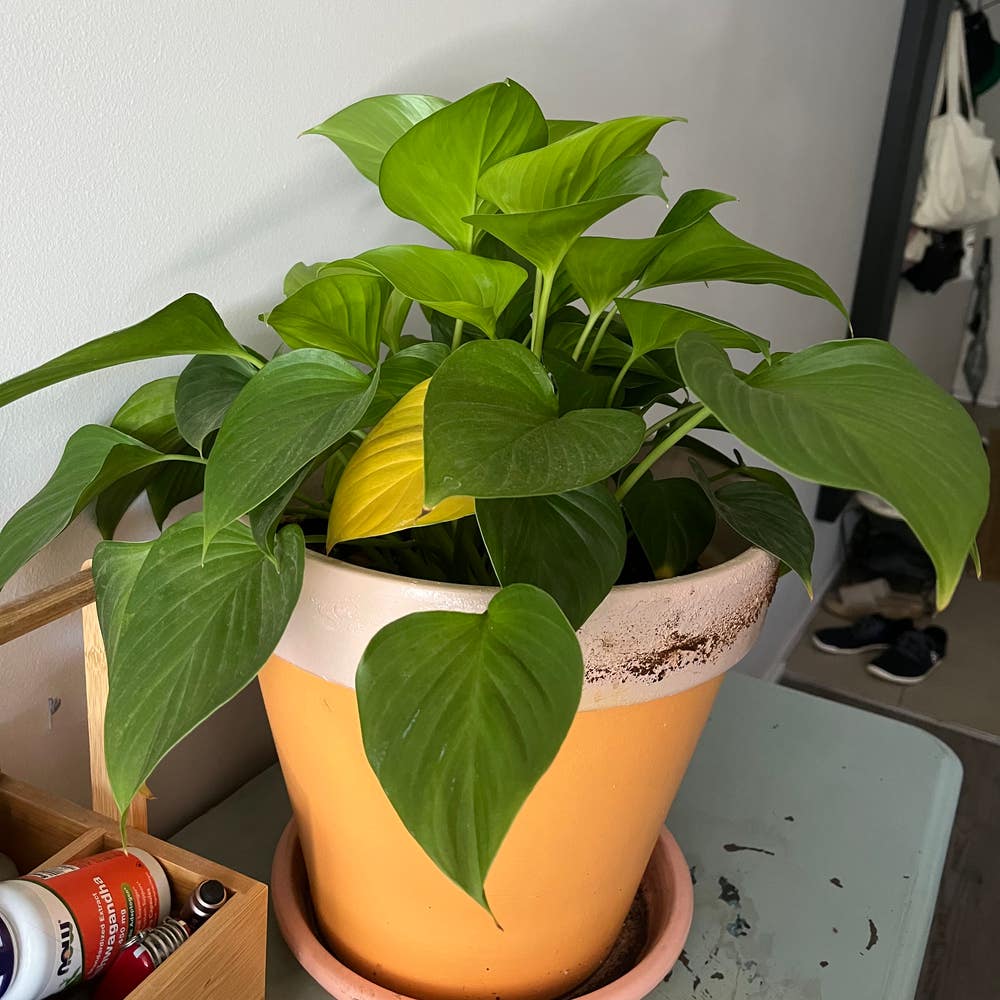
Drooping leaves are your Homalomena Maggy's white flag of surrender to thirst. When they hang limply, it's a clear visual cue. Yellowing leaves can be a bit more deceptive; they might indicate overhydration or a plea for water. Context is key—check for other signs to diagnose correctly.
💧 Soil Tells
The soil's moisture level is like a secret code to your plant's well-being. If the top inch feels like a dusty attic, it's time to water. Conversely, if it's damp and clings to your finger, hold off on the H2O.
🌱 Growth and Blooming
Slowed growth and a lack of blooming are subtle hints that your Homalomena Maggy isn't getting the hydration it craves. If it's more stagnant than a pond with no inlet, it's likely underwatered. Blooms are the plant's high-fives; absence of them might mean it's too parched to party.

Section

The Right Stuff: Soil and Pot Considerations
🌱 Choosing the Best Potting Mix
Homalomena Maggy thrives in a potting mix that strikes a balance between moisture retention and drainage. A blend of peat moss or coco coir with perlite or vermiculite ensures the roots stay hydrated without becoming waterlogged. Organic matter, like compost, can be added to enrich the soil with nutrients. Remember, the goal is to mimic the plant's natural habitat, providing a comfy and nutrient-rich bed for its roots.
🚰 Drainage is Key
No one likes wet feet, especially not your Homalomena Maggy. Drainage holes in pots are non-negotiable to prevent root rot. If you're feeling crafty, a layer of pebbles at the bottom can enhance drainage—think of it as the plant's personal plumbing system. Whether you go for terracotta, which breathes, or plastic, which retains moisture, make sure those holes are there. Your plant's health depends on it.

Tools of the Trade: Aiding Your Watering Routine
💦 Moisture Meters and More
Moisture meters are the tech gurus of plant care. They provide a digital readout of soil moisture, letting you water with precision. No more second-guessing; just stick it in the soil and act on the data.
For those who prefer a more hands-off approach, consider setting up calendar alerts. They're like little nudges to check on your plant's thirst level. But remember, technology is an aid, not a substitute for the personal touch—always verify soil moisture before watering.
🛠 DIY Tricks
The finger test is the old-school, no-cost method. Plunge your finger into the soil up to the second knuckle; if it's dry, it's time to water.
Or try the can test: place empty cans with flat sides, like a tomato paste can, around your plant. Mark the inside with a waterproof marker to measure rainfall or your watering amount. It's a DIY rain gauge that offers a clear visual of how much water your garden is getting.
Remember, your Homalomena Maggy doesn't care about the day of the week—it just wants a drink when it's thirsty. Use these tools and tricks to keep it happily hydrated.
⚠️ Safety First
This content is for general information and may contain errors, omissions, or outdated details. It is not medical, veterinary advice, or an endorsement of therapeutic claims.
Always consult a qualified healthcare professional before using any plant as food, medicine, or supplement.
Never eat any plant (or feed one to pets) without confirming its identity with at least two trusted sources.
If you suspect poisoning, call Poison Control (800) 222-1222, the Pet Poison Helpline (800) 213-6680, or your local emergency service immediately.
Spotted an error? Please report it here.
Let your Homalomena Maggy thrive by using Greg to pinpoint the perfect watering moments 🕒, so you can enjoy a lush, happy plant without the guesswork.