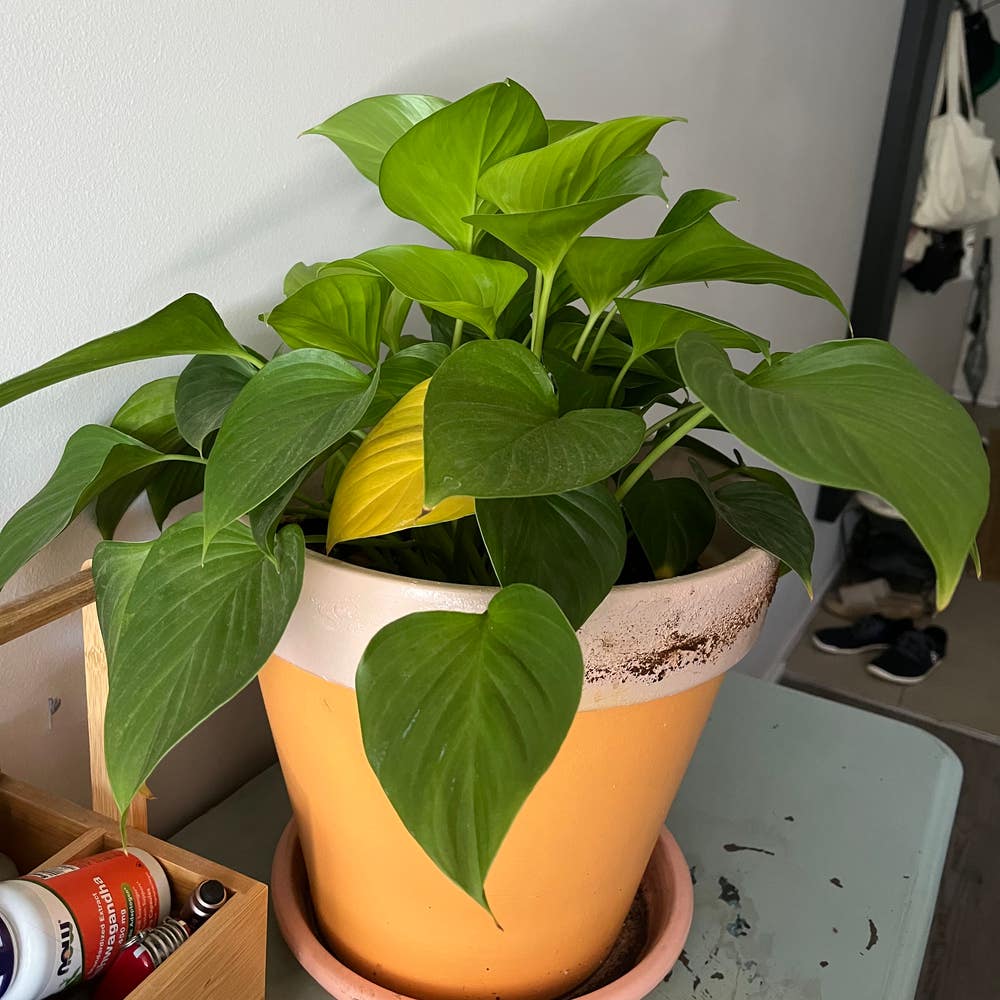
❤️ How to Cure Curling Leaves on Your Queen of Hearts
Homalomena rubescens ‘Maggy’
By the Greg Editorial Team
Sep 30, 2024•4 min read
This article was created with the help of AI so we can cover more plants for you. May contain errors. See one? Report it here.
- 🌱 Curling leaves indicate stress from overwatering, underwatering, or nutrient deficiencies.
- 🌡️ Maintain humidity between 60-80% and temperatures of 65°F to 80°F for health.
- 🔍 Regularly inspect for pests like spider mites to prevent leaf curling.
Causes of Leaf Curl
🌪️ Environmental Stress
Leaf curl often stems from environmental stress. High temperatures, low humidity, and sudden temperature changes can wreak havoc on your Queen of Hearts.
🥦 Nutrient Deficiency
A lack of essential nutrients can lead to weak plant structure. This deficiency often manifests as curling leaves, signaling that your plant needs a nutrient boost.
💧 Overwatering Symptoms
Overwatering is another common culprit. Signs include root rot and yellowing leaves, indicating that your plant is struggling to breathe.
🥤 Underwatering Signs
On the flip side, underwatering can also cause issues. Look for wilting and crispy leaf edges as clear indicators that your plant is thirsty.
Understanding these causes is crucial for effective treatment. By addressing these factors, you can help your Queen of Hearts thrive and prevent future leaf curling.
Diagnosing the Problem
Identifying Environmental Stressors 🌬️
To keep your Queen of Hearts thriving, monitor humidity levels closely. Aim for an ideal range of 60-80% to prevent leaf curl.
Temperature is another critical factor. The optimal range is between 65°F to 80°F (18°C to 27°C). Sudden changes can stress the plant, leading to curling leaves.
Checking for Pests and Diseases 🐜
Pests can wreak havoc on your plant. Common culprits include spider mites and aphids.
Look for signs of infestation, such as webbing, sticky residue, or visible insects on the leaves. Fungal infections can also cause issues, presenting as dark spots or mold on the foliage.
Assessing Watering Practices 💧
Watering habits play a significant role in leaf health. Overwatering is often indicated by soggy soil and drooping leaves.
On the flip side, if the soil is dry and the leaves curl inward, your plant may be underwatered. Adjust your watering practices accordingly to keep your Queen of Hearts happy.
By diagnosing these potential issues, you can take the necessary steps to restore your plant's health. Next, let's explore effective treatments for curling leaves.
Treating Curling Leaves
🐛 Step-by-Step Treatment for Pests
Dealing with pests is crucial for your Queen of Hearts. Start by inspecting the plant closely for any visible pests on the leaves and stems.
Next, remove any affected leaves. Pruning damaged foliage helps prevent the spread of pests.
Now, it’s time to apply treatment. Use insecticidal soap or neem oil according to the instructions on the label.
Finally, monitor progress weekly. Check for signs of re-infestation to ensure your plant stays healthy.
🌫️ Adjusting Humidity and Temperature
Humidity plays a vital role in your plant's health. To increase humidity, consider using a humidifier or placing a pebble tray filled with water nearby.
Temperature is equally important. Move your plant to a more stable environment, away from drafts, to maintain optimal conditions.
💧 Correcting Watering Issues
Watering practices can make or break your plant's health. For overwatering, allow the soil to dry out completely before re-watering.
If you suspect underwatering, water thoroughly until excess drains from the pot. This ensures your Queen of Hearts gets the hydration it needs.
By addressing these issues, you can help your plant recover and thrive. Next, let’s explore how to prevent future curling leaves.
Preventing Future Curling
🌱 Best Practices for Care
To keep your Queen of Hearts thriving, establish an ideal watering schedule. Water the plant when the top inch of soil feels dry to the touch.
Fertilization is also key. Use a balanced fertilizer every 4-6 weeks during the growing season to provide essential nutrients.
🔍 Regular Monitoring Techniques
Regular checks are essential for early detection of issues. Inspect leaves weekly for any signs of curling or pest activity.
Don't forget to assess environmental conditions regularly. Keep an eye on humidity and temperature levels to ensure your plant remains in its comfort zone.
By following these practices, you'll not only prevent curling leaves but also promote a healthy, vibrant plant. This proactive approach will help you enjoy your Queen of Hearts for years to come.
⚠️ Safety First
This content is for general information and may contain errors, omissions, or outdated details. It is not medical, veterinary advice, or an endorsement of therapeutic claims.
Always consult a qualified healthcare professional before using any plant as food, medicine, or supplement.
Never eat any plant (or feed one to pets) without confirming its identity with at least two trusted sources.
If you suspect poisoning, call Poison Control (800) 222-1222, the Pet Poison Helpline (800) 213-6680, or your local emergency service immediately.
Spotted an error? Please report it here.
Transform your Queen of Hearts into a vibrant beauty 🌿 by using Greg's tailored watering schedules and pest alerts to keep those curling leaves at bay!