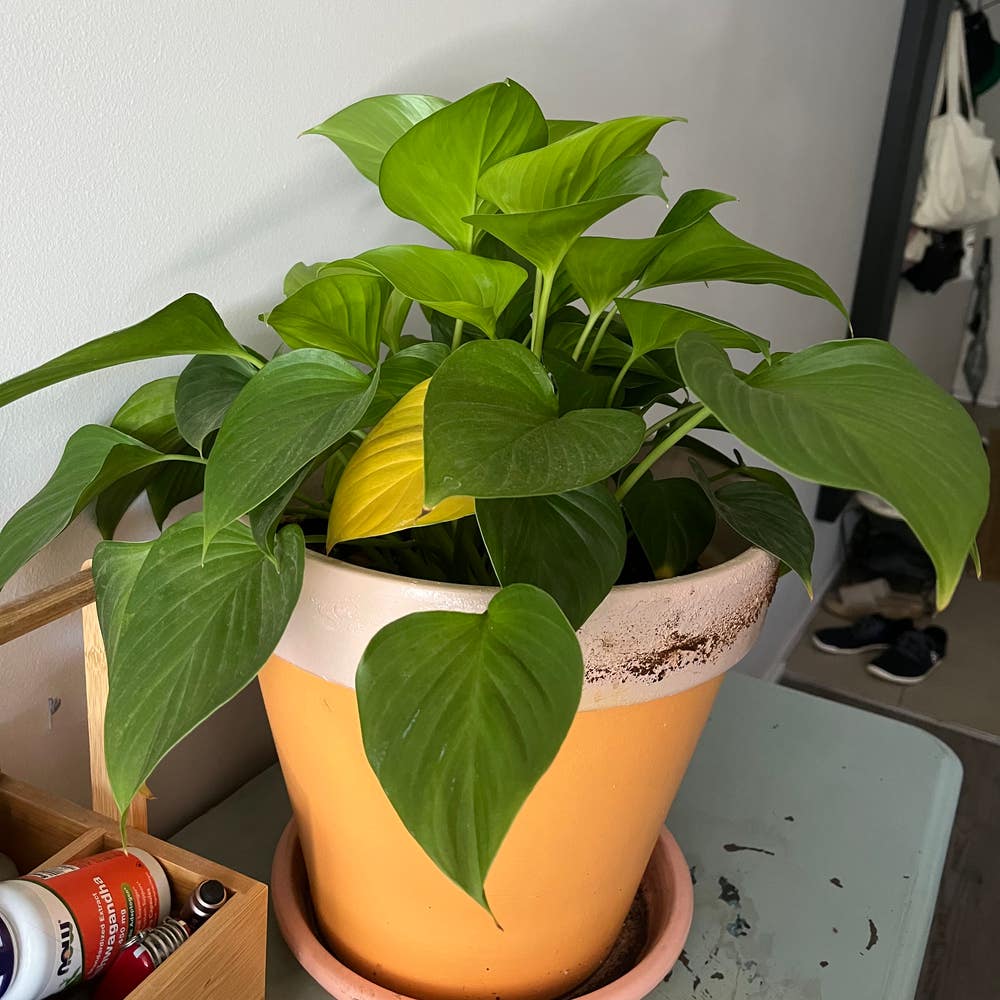
Why Are There Brown Spots on My Homalomena Maggy Leaves?
Homalomena rubescens ‘Maggy’
By the Greg Editorial Team
Jun 18, 2024•3 min read
This article was created with the help of AI so we can cover more plants for you. May contain errors. See one? Report it here.
- Over/underwatering causes spots: Check soil moisture before watering.
- Humidity and light balance: Aim for 50% humidity and indirect light.
- Nutrients matter: Fertilize sparingly with balanced liquid fertilizer.
Spotting the Trouble: Identifying Brown Spots
🕵️♂️ Visual Symptoms
Brown spots on Homalomena Maggy leaves can range from subtle shadows to bold blemishes. They may appear as dry patches or moist lesions, often with a telltale yellow halo. Look for them on the leaf edges or centers, as these are common hotspots for trouble.
Early Detection
Regular inspection is your best defense against the spread of brown spots. Catching them when they're mere pinpricks can save your plant from a world of hurt. Be vigilant for changes in leaf color or texture, and remember that early action is key to maintaining plant health.

Water Woes: Over and Underwatering
🌊 Overwatering Hazards
Overwatering is like giving your Homalomena Maggy a bath when it just needs a sip. Those brown spots? They're the aftermath of a watering party gone wild. Roots need to breathe, and too much water suffocates them, leading to a sad, spotted plant. To fix this, let the soil dry out before you water again. And remember, your plant's not a fish; it doesn't need to swim.
🏜️ Underwatering Stress
On the flip side, underwatering turns your Homalomena Maggy into a desert wanderer, with leaves as crispy as autumn leaves. Brown spots from lack of water are your plant's SOS signal. The sweet spot? Check the top inch of soil; if it's dry, it's time to water. Think of it as a thirst quench, not a flood. Keep it consistent, and your plant will reward you with spotless greenery.

Climate Control: Humidity and Light
💦 Humidity's Role
Humidity is crucial for your Homalomena Maggy's well-being. Ideal levels hover around 50%. Too dry, and you'll be greeted with crispy leaf tips; too moist, and you're inviting a slew of unwanted diseases. To keep the balance, consider using a humidifier or a pebble tray. Regularly check with a hygrometer to ensure you're hitting that sweet spot.
☀️ Light Exposure
Light is like your plant's daily bread—it needs just the right amount. Aim for bright, indirect light to keep those leaves spot-free. Direct sun is a no-go; it's the fast track to a bad leaf tan. If your space doesn't get enough natural light, a grow light can fill in the gaps. Remember, rotate your plant for even light distribution; it's all about equity in the leaf world.

Feeding Your Homalomena Maggy Right
💡 Nutrient Deficiencies and Excesses
Brown spots on Homalomena Maggy leaves can scream nutrient deficiency. To avoid this, a balanced diet is crucial. A lack of magnesium, for instance, might show up as yellow margins on older leaves. Combat this with applications of dolomite, which provides magnesium and calcium while stabilizing soil pH. This ensures your plant can absorb the nutrients efficiently.
🍽️ Fertilization Best Practices
Fertilize your Homalomena Maggy sparingly during its growing season, typically from spring to summer. A balanced liquid fertilizer every two to four weeks should do the trick. Remember, overfeeding can be just as harmful as underfeeding—nutrient burn is a real threat. In winter, put the fertilizer away; your plant is resting, not feasting. Stick to a schedule as if it's your favorite TV show—regular but not overdone.
⚠️ Safety First
This content is for general information and may contain errors, omissions, or outdated details. It is not medical, veterinary advice, or an endorsement of therapeutic claims.
Always consult a qualified healthcare professional before using any plant as food, medicine, or supplement.
Never eat any plant (or feed one to pets) without confirming its identity with at least two trusted sources.
If you suspect poisoning, call Poison Control (800) 222-1222, the Pet Poison Helpline (800) 213-6680, or your local emergency service immediately.
Spotted an error? Please report it here.
Avoid those pesky brown spots on your Homalomena Maggy with Greg's tailored reminders 🕒 for the perfect watering, lighting, and feeding schedule.