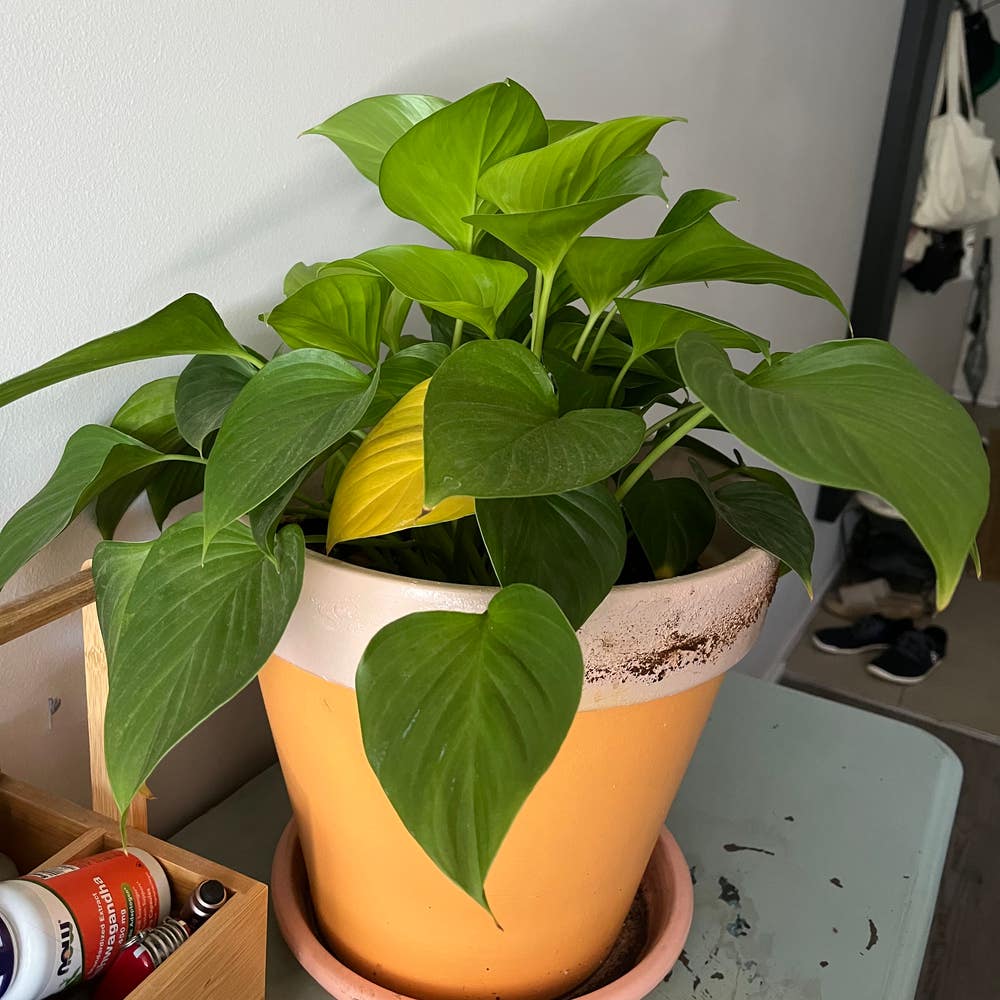
❤️ How to Cure Yellow Leaves on Your Queen of Hearts
Homalomena rubescens ‘Maggy’
By the Greg Editorial Team
Sep 30, 2024•5 min read
This article was created with the help of AI so we can cover more plants for you. May contain errors. See one? Report it here.
- 🌱 Yellow leaves indicate overwatering, underwatering, nutrient issues, or pests.
- 💧 Ensure proper watering and drainage to prevent yellowing in your Queen of Hearts.
- 🐛 Regularly check for pests and use organic methods for effective control.
Diagnosing the Problem
💧 Overwatering Signs and Solutions
Overwatering is a common issue for the Queen of Hearts, often indicated by yellow leaves, soggy soil, and root rot. To remedy this, allow the soil to dry out between waterings, ensuring it doesn't remain perpetually wet.
Proper drainage is crucial; use pots with holes to facilitate this. A moisture meter can also be a handy tool to gauge soil moisture levels accurately.
🌵 Underwatering Signs and Solutions
On the flip side, underwatering can lead to crispy, dry leaves and leaf curl. If you notice these signs, water your plant thoroughly until excess drains out.
Establishing a consistent watering schedule is key. Additionally, keep an eye on humidity levels in your environment, as low humidity can exacerbate the problem.
🥦 Nutrient Deficiency Identification
Nutrient deficiencies can manifest as yellowing leaves, particularly in older foliage. To identify this issue, conduct a soil test to check nutrient levels.
Applying a balanced fertilizer every 4-6 weeks during the growing season can help. Consider using slow-release fertilizers for a consistent nutrient supply.
🐛 Pest Infestations and Their Impact
Pests like spider mites, aphids, and mealybugs can wreak havoc on your plant, leading to yellowing leaves, webbing, and sticky residue. Regularly inspect your leaves for any signs of these pests.
If you find an infestation, treatments like insecticidal soap or neem oil can be effective. You might also introduce beneficial insects like ladybugs for a natural pest control approach.
By diagnosing these issues early, you can take proactive steps to restore your Queen of Hearts to its vibrant self. Next, let’s explore treatment options to address these problems effectively.
Treatment Options
Adjusting Watering Practices 🌊
Establishing a consistent watering routine is crucial for your Queen of Hearts. Tailor your schedule based on the season and the plant's specific needs to avoid yellow leaves.
Signs of proper watering include checking the soil moisture and observing the leaf appearance. A moisture meter can be a handy tool to ensure you're not over or underwatering.
Fertilization Techniques 🌱
Choosing the right type of fertilizer can make a significant difference. Liquid fertilizers offer quick nutrient absorption, while granular options provide a slow release.
Apply fertilizer every 4-6 weeks during the active growth period. Balanced NPK ratios are essential for overall plant health, ensuring your Queen of Hearts thrives.
Soil Amendments for Better Drainage 🏺
Using a well-draining potting mix is vital for preventing root rot. Consider adding perlite or sand to enhance drainage capabilities.
The pot size and material also play a role in drainage efficiency. A larger pot allows for better root expansion, while materials like terracotta help wick moisture away.
Pest Management Strategies 🐞
Regular monitoring is key to early pest detection. Keep an eye out for common pests that can affect your plant's health.
Organic pest control methods, such as neem oil and insecticidal soap, are effective and environmentally friendly. Maintaining plant hygiene is equally important; clean leaves can help prevent infestations.
By implementing these treatment options, you can effectively address yellow leaves and promote a healthier Queen of Hearts. Next, let’s explore preventive measures to keep your plant thriving year-round.
Preventive Measures
Ideal Light Conditions 🌞
Your Queen of Hearts thrives in bright, indirect sunlight. If you notice stretching stems or pale leaves, it’s a sign that your plant isn’t getting enough light.
Adjust its placement according to seasonal changes to ensure it receives optimal light throughout the year.
Proper Watering Schedule 🚰
During the growing season, aim to water your plant weekly, while bi-weekly is sufficient in winter. Keep an eye out for signs of overwatering, like yellow leaves, or underwatering, such as crispy edges.
Consider using the Greg plant care app for reminders to help you stay on track.
Soil Selection and Maintenance 🍽️
Choose a well-draining, nutrient-rich potting mix for your Queen of Hearts. Repotting every 1-2 years refreshes the soil and provides essential nutrients.
Watch for signs that indicate your soil needs changing, such as compaction or poor drainage.
Seasonal Care Tips 🌦️
Adjust your care routine based on seasonal changes in temperature and humidity. Tropical plants like the Queen of Hearts benefit from increased humidity, so consider using humidifiers or pebble trays.
Keep a close eye on your plant for pests during these transitions to catch any issues early.
By implementing these preventive measures, you can help your Queen of Hearts thrive and avoid the frustration of yellow leaves. Next, let’s explore how to monitor your plant's health effectively.
Monitoring Plant Health
Regular Inspection Routines 🌿
To keep your Queen of Hearts thriving, conduct weekly inspections. Focus on key areas like leaves, stems, and soil moisture to catch any signs of distress early.
Tracking changes in a plant care journal can be incredibly helpful. Documenting your observations allows you to identify patterns and adjust care as needed.
Signs of Recovery 🌱
Look for indicators of improved health, such as new growth and vibrant color. These signs suggest that your plant is bouncing back and thriving.
Adjust your care based on these recovery signs. Remember, patience is crucial during this process; plants take time to heal.
When to Seek Professional Help 🆘
If you notice persistent yellowing or severe pest infestations, it might be time to seek professional intervention. Local plant care specialists or extension services can provide valuable assistance.
Timely action is essential to prevent further damage. Don’t hesitate to reach out for help if your plant's health continues to decline.
By staying vigilant and proactive, you can ensure your Queen of Hearts remains healthy and vibrant. Next, let’s explore preventive measures to keep your plant thriving year-round.
⚠️ Safety First
This content is for general information and may contain errors, omissions, or outdated details. It is not medical, veterinary advice, or an endorsement of therapeutic claims.
Always consult a qualified healthcare professional before using any plant as food, medicine, or supplement.
Never eat any plant (or feed one to pets) without confirming its identity with at least two trusted sources.
If you suspect poisoning, call Poison Control (800) 222-1222, the Pet Poison Helpline (800) 213-6680, or your local emergency service immediately.
Spotted an error? Please report it here.
Revive your Queen of Hearts and watch it flourish 🌱 with Greg's tailored watering and nutrient reminders that keep yellow leaves at bay!