Why Are My Homalomena Maggy Leaves Falling Over?
Homalomena rubescens ‘Maggy’
By the Greg Editorial Team
Jun 18, 2024•5 min read
This article was created with the help of AI so we can cover more plants for you. May contain errors. See one? Report it here.
- Droopy leaves signal care adjustments needed for Homalomena Maggy's health.
- 🌱 Balance watering and light; avoid overwatering and direct sunlight.
- 🌡️ Maintain 65-85°F and high humidity for a thriving plant.
Spotting the Signs and Assessing Your Plant's Health
🍃 Identifying Drooping Leaves: What to Look For
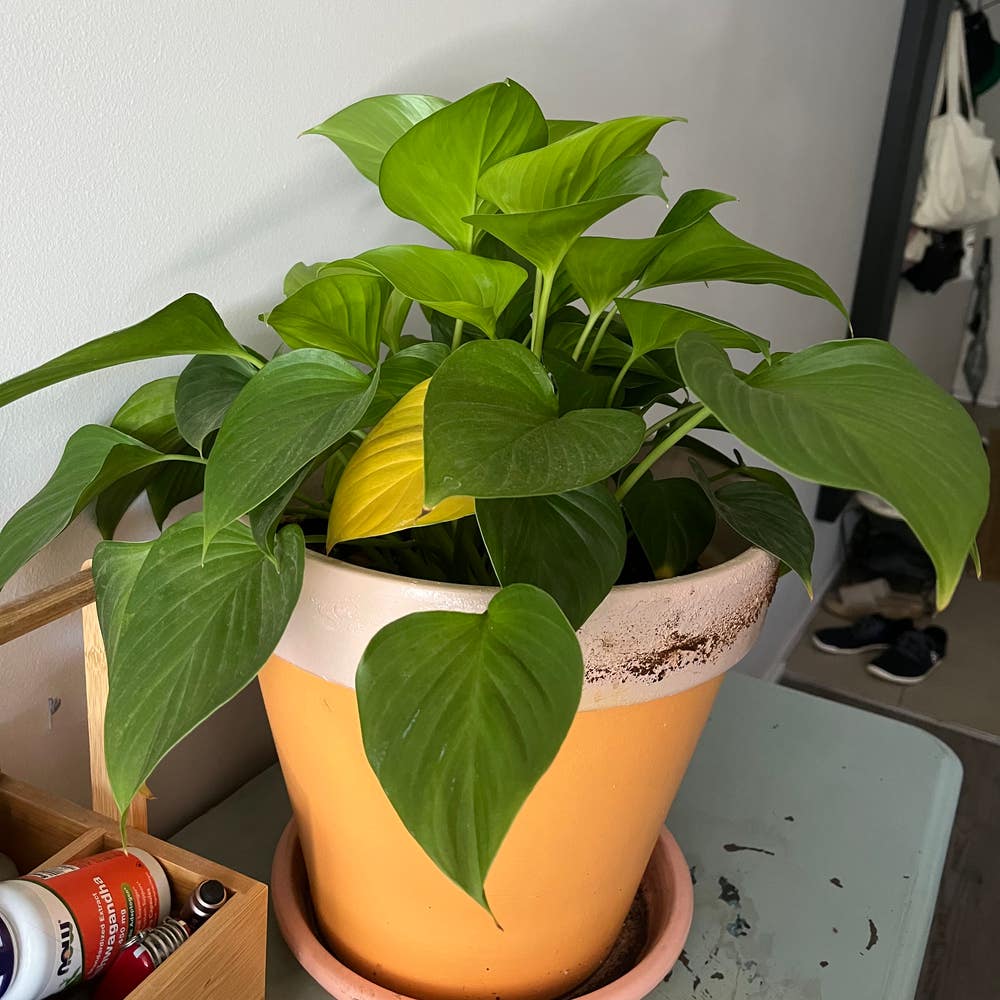
Drooping leaves on your Homalomena Maggy can be the plant's white flag of surrender to less-than-ideal conditions. Look for leaves that have lost their usual perky posture, hanging down as if in defeat. If they feel flimsy when gently lifted, it's a clear sign that they're not at their best. Discoloration, such as yellowing or browning tips, is like a distress flare, signaling that all is not well.
🌱 Quick Health Check: Assessing Soil, Roots, and Overall Plant Vigor
A quick soil check is like reading the tea leaves for your plant's future. If the soil feels like a swamp, you're overwatering. If it's as dry as a desert, your plant is parched. Next, be a root sleuth. Gently ease the plant out of its pot to investigate the roots. They should be firm and white, not soft or brown, which would indicate rot. Finally, assess the plant's overall vigor. If it's more limp than a week-old salad, it's time for some TLC. Remember, your Homalomena Maggy isn't just being dramatic; these signs are a cry for help.

The Balancing Act: Watering Your Homalomena Maggy
Navigating the watering needs of your Homalomena Maggy is crucial to prevent its leaves from falling over.
💧 Too Much Love: The Perils of Overwatering
Overwatering is a common misstep that can lead to root rot and a droopy Homalomena Maggy. Signs of overwatering include yellowing leaves, a musty soil smell, and a general lack of plant vigor. To avoid this, ensure your pot has drainage holes and that the soil is not perpetually wet. If the top inch of soil feels like a damp sponge, hold off on the watering can.
🏜️ Thirsty Roots: The Signs and Solutions for Underwatering
Conversely, underwatering can leave your plant dehydrated and wilted. Signs include dry, crispy leaves and soil that separates from the pot's edge. The solution is simple: water your plant thoroughly when the top inch of soil is dry, allowing excess water to drain freely. This encourages deep root growth and a stable plant.
🚰 The Goldilocks Zone: Finding the Perfect Watering Rhythm
Achieving the Goldilocks zone of watering—where it's neither too much nor too little—is key. Adjust your watering frequency based on the plant's environment and the current season. Hotter periods may necessitate more frequent watering, while cooler times call for restraint. Always use your finger to test soil moisture before reaching for the watering jug.

Let There Be Light (But Not Too Much)
Navigating your Homalomena Maggy's light preferences is like setting up the ideal selfie spot—just right makes all the difference.
🌞 Sun Worshipper or Shade Seeker?
Your Homalomena Maggy isn't one to bask in the blazing sun. Bright, indirect light is its jam. Direct sunlight? That's a recipe for crispy, sad leaves.
🔄 Adjusting Your Plant's Tan
Think of your plant's placement as a strategic move in a game of chess. Morning light can be a gentle wake-up call, while the intense afternoon sun is more like a slap in the face. Rotate your plant to ensure even exposure without the drama.
⚠️ The Warning Signs of Light Stress on Leaves
Leaves turning yellow and dropping like flies? Too much sun. Stretched out and leggy, like they're reaching for something just out of grasp? Not enough light. Keep an eye out for these cries for help and adjust your plant's position accordingly. Remember, the sun's position changes with the seasons, so stay on your toes and reassess regularly.

Keeping It Comfy: Temperature and Humidity Control
🌴 The Tropical Mimic: Replicating Homalomena Maggy's Ideal Climate
Homalomena Maggy thrives in warmth, just like its tropical origins. Aim for daytime temperatures between 65-85°F (18-29°C), ensuring a cozy environment without turning your living space into a sauna.
🔥 Too Hot to Handle: Protecting Your Plant from Temperature Extremes
Keep your Homalomena Maggy away from drafty windows or doors. Sudden temperature shifts are the nemesis of tropical plants. Use heat mats or adjust room temperatures during the chillier months to prevent your green buddy from catching a cold.
💦 Humidity Heaven: Techniques for Maintaining Moisture in the Air
High humidity is a non-negotiable for Homalomena Maggy. Keep the air moisture-rich by grouping plants together or using a humidifier. A pebble tray with water beneath the pot can also do the trick, boosting humidity while avoiding a wet mess.
Oops! Common Care Mistakes to Avoid
💧 Overcompensating Care: When Good Intentions Lead to Droopy Leaves
Overzealous watering and fertilizing can backfire, leaving you with a wilted Homalomena Maggy. It's a classic case of too much love. Dial it back. Check the soil moisture before reaching for the watering can, and fertilize sparingly, only during the growing season.
🔍 Ignoring the Signs: Why Regular Monitoring is Key
Your plant isn't just décor; it's a living barometer of its own health. Yellow leaves? Don't admire them—investigate them. They could be signaling distress. Regular check-ups can catch issues like pests or diseases before they turn into full-blown plant pandemics.
🔄 Consistency is King: The Importance of a Stable Environment
Plants thrive on routine. Fluctuating care—watering, lighting, temperature—can send your Homalomena Maggy into a tailspin. Establish a care schedule that mimics its natural habitat. Think of it as setting a rhythm that both you and your plant can groove to.
⚠️ Safety First
This content is for general information and may contain errors, omissions, or outdated details. It is not medical, veterinary advice, or an endorsement of therapeutic claims.
Always consult a qualified healthcare professional before using any plant as food, medicine, or supplement.
Never eat any plant (or feed one to pets) without confirming its identity with at least two trusted sources.
If you suspect poisoning, call Poison Control (800) 222-1222, the Pet Poison Helpline (800) 213-6680, or your local emergency service immediately.
Spotted an error? Please report it here.
Keep your Homalomena Maggy's leaves perky and healthy 🍃 with Greg's personalized care reminders that ensure just the right amount of water and light.