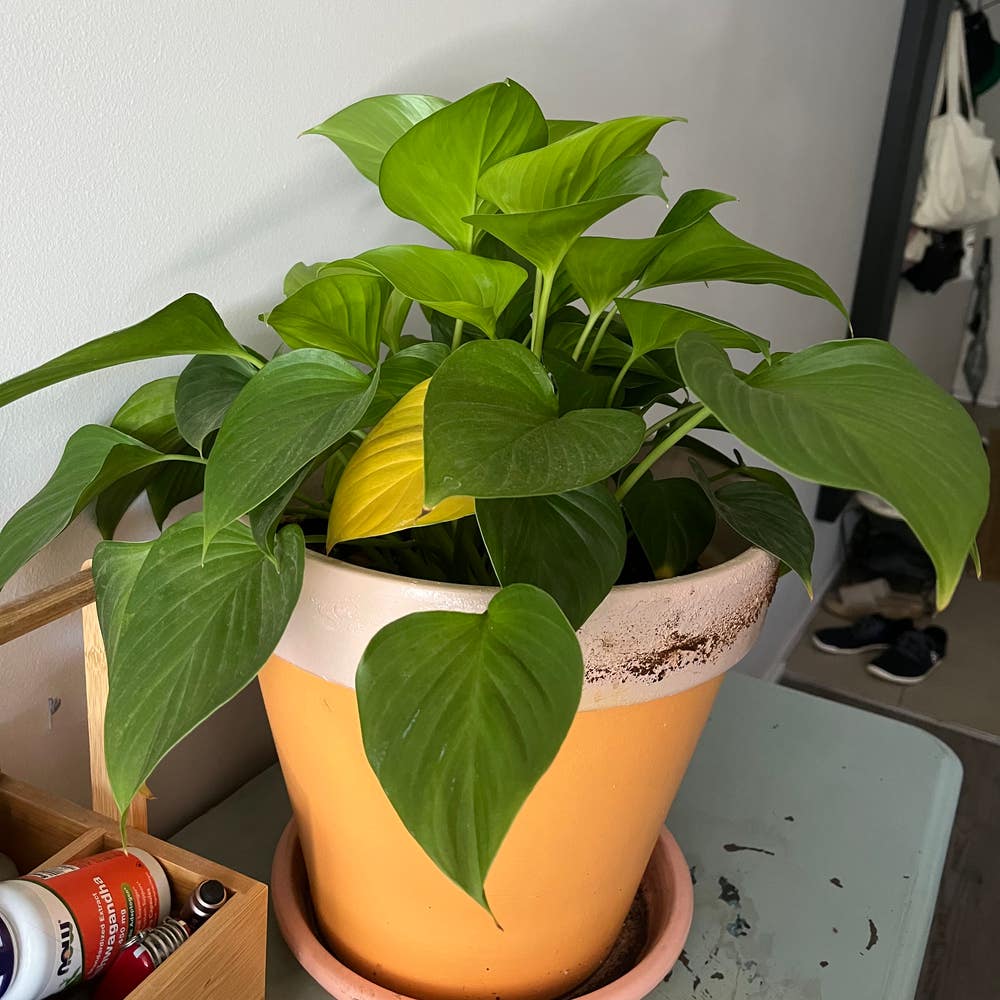
❤️ Queen of Hearts Care: Preventing and Treating Root Rot
Homalomena rubescens ‘Maggy’
By the Greg Editorial Team
Sep 30, 2024•5 min read
This article was created with the help of AI so we can cover more plants for you. May contain errors. See one? Report it here.
- 🌱 Identify root rot early by spotting yellowing leaves and wilting to save your plant.
- 🕵️♂️ Inspect roots regularly; healthy ones are firm and white, unhealthy feel soft and brown.
- 💧 Prevent root rot by allowing soil to dry out and ensuring proper drainage.
Identifying Root Rot Symptoms
Visual Signs of Root Rot 🌿
Recognizing root rot early can save your Queen of Hearts. Look for yellowing leaves, which often signal stress and nutrient deficiency.
Another red flag is wilting despite adequate watering. This indicates that the roots are struggling to absorb moisture. Lastly, if you inspect the roots and find dark, mushy areas, it's a clear sign of decay.
Root Inspection Techniques 🔍
To assess root health, start by safely removing the plant from its pot. Gently loosen the soil around the roots to avoid causing further damage.
Once out, distinguish between healthy and unhealthy roots. Healthy roots are firm and white, while unhealthy ones will feel soft and appear brown.
Differentiating Between Root Rot and Other Issues ⚖️
It's crucial to differentiate root rot from other problems. Compare symptoms with pest infestations; pest damage often presents differently than root rot.
Additionally, assess any environmental stress. Evaluate light and humidity levels, as these factors can also affect your plant's health.
Understanding these symptoms and techniques will empower you to take action before it's too late. Next, we’ll explore how to prevent root rot from occurring in the first place.
Preventing Root Rot
💧 Ideal Watering Practices
Watering your Queen of Hearts correctly is crucial for preventing root rot. Always allow the top inch of soil to dry out before watering again; this helps avoid over-saturation.
Using a moisture meter can provide accurate readings of soil moisture levels. This tool takes the guesswork out of watering, ensuring your plant gets just the right amount of hydration.
🕳️ Importance of Drainage
Proper drainage is essential for healthy roots. Ensure your pots have adequate drainage holes to allow excess water to escape.
To improve drainage, consider adding perlite or sand to your potting mix. These materials enhance aeration and prevent water from pooling around the roots.
🌱 Choosing the Right Potting Mix
Selecting the right potting mix is vital for your Queen of Hearts. Opt for well-draining, lightweight mixes that promote healthy root growth.
Aerated soil is crucial for root health. It allows oxygen to reach the roots, preventing the conditions that lead to root rot.
📅 Seasonal Care Adjustments
Adjusting your watering frequency based on seasonal changes can make a big difference. In winter, for example, your plant will need less frequent watering due to lower evaporation rates.
Monitoring humidity levels is also important. Using a hygrometer can help you maintain optimal conditions, ensuring your plant thrives year-round.
By following these preventive measures, you can significantly reduce the risk of root rot and keep your Queen of Hearts flourishing. Next, we’ll explore how to treat root rot effectively if it does occur.
Treating Root Rot
🛠️ Step-by-Step Treatment Process
Remove the plant from its pot: Start by gently loosening the soil around the roots. This allows you to inspect the roots without causing additional damage.
Trim away affected roots: Use sterilized scissors to cut away any mushy or dark sections. Healthy roots should be firm and white, so focus on removing the decayed parts.
Allow roots to dry: Once trimmed, place the plant in a shaded area for a few hours. This helps the roots recover before repotting.
🌱 How to Repot a Plant with Root Rot
Selecting a new pot: Choose a pot that has adequate drainage holes. This is crucial to prevent future waterlogging.
Recommended potting mix: Use a fresh, well-draining potting mix. Look for options that include perlite or sand to enhance drainage.
Repotting technique: Position the plant at the same depth as before. This ensures that the roots are not buried too deep, which can lead to further issues.
🧪 Recommended Fungicides and Treatments
Types of fungicides: Consider organic options like neem oil for a safer approach. Chemical treatments are also available but should be used with caution.
Application methods: Always follow the label instructions for effective use. Proper application is key to ensuring the treatment works without harming the plant.
👀 Post-Treatment Care and Monitoring
Watering schedule after treatment: Allow the soil to dry out between waterings. This helps prevent reoccurrence of root rot.
Signs of recovery: Look for new growth and healthy root development. These are positive indicators that your plant is bouncing back.
By following these steps, you can effectively treat root rot and give your Queen of Hearts a fighting chance. Next, let’s explore how to maintain plant health to prevent future issues.
Maintaining Plant Health
🌊 Regular Care Routines to Prevent Root Rot
Establishing a consistent watering schedule is key to preventing root rot. Aim for a routine that adapts to your plant's needs, allowing the top inch of soil to dry out before watering again.
Regularly monitoring environmental conditions is equally important. Keep an eye on humidity and temperature, as fluctuations can stress your Queen of Hearts.
🌱 Signs of Recovery After Treatment
After addressing root rot, look for new leaf growth as a positive sign of recovery. This indicates that your plant is regaining its strength and vitality.
Additionally, check the firmness of the roots during repotting. Healthy roots should feel firm and resilient, signaling that your plant is on the mend.
🌼 Long-Term Care Strategies for Queen of Hearts
Tailoring your care to seasonal changes can significantly enhance your plant's health. Adjust watering and humidity levels based on the time of year to ensure optimal growth.
Regular inspections are crucial for early detection of stress or root issues. By staying vigilant, you can catch potential problems before they escalate, keeping your Queen of Hearts thriving.
With these strategies in place, you’ll cultivate a healthy, vibrant plant that flourishes year-round. Next, let’s explore how to treat root rot effectively if it does occur.
⚠️ Safety First
This content is for general information and may contain errors, omissions, or outdated details. It is not medical, veterinary advice, or an endorsement of therapeutic claims.
Always consult a qualified healthcare professional before using any plant as food, medicine, or supplement.
Never eat any plant (or feed one to pets) without confirming its identity with at least two trusted sources.
If you suspect poisoning, call Poison Control (800) 222-1222, the Pet Poison Helpline (800) 213-6680, or your local emergency service immediately.
Spotted an error? Please report it here.
Keep your Queen of Hearts thriving 🌱 by catching root rot early and using Greg's tailored watering reminders to ensure she gets just the right amount of moisture!