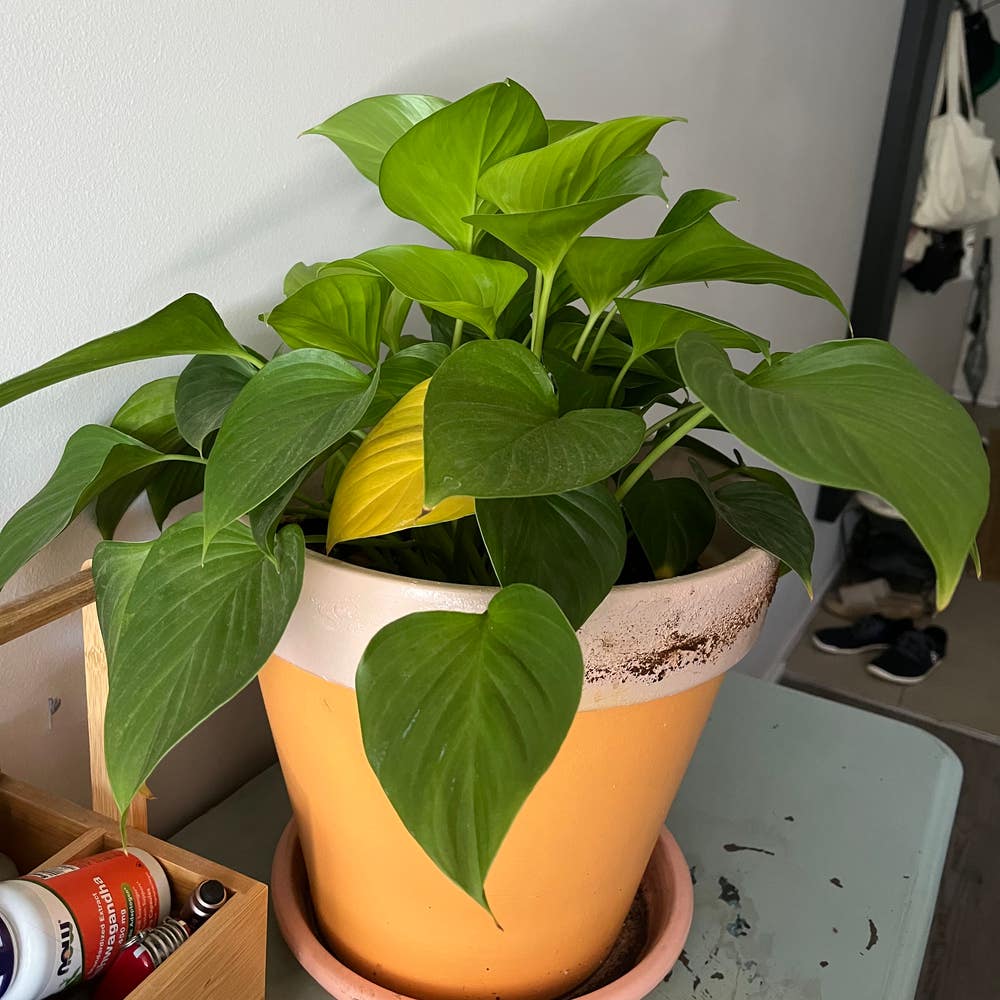
My Homalomena Maggy's Light Requirements
Homalomena rubescens ‘Maggy’
By the Greg Editorial Team
Jun 18, 2024•4 min read
This article was created with the help of AI so we can cover more plants for you. May contain errors. See one? Report it here.
- 🌿 Partial shade outdoors is key for Homalomena Maggy's health.
- 💡 Grow lights enhance growth, especially in low-light conditions.
- 🕒 Use a timer for grow lights to simulate natural daylight cycles.
Section

Taking Your Homalomena Maggy Outside
⛅️ Partial Shade Party
Finding the ideal spot for your Homalomena Maggy outdoors is like picking a table at a café—location is everything. Aim for a place that bathes your plant in dappled sunlight or partial shade. The eastern or northern side of your home often provides these conditions, shielding the Maggy from the harsh afternoon sun. Remember, direct sunlight is the nemesis of this tropical beauty, potentially leading to leaf burn.
🌿 Transitioning to the Great Outdoors
Acclimating your Homalomena Maggy to the outside world requires patience. Start by placing it in a shaded area for a few hours each day, gradually increasing its exposure to light over a week or two. This slow introduction helps prevent the dreaded plant shock, ensuring your Maggy doesn't throw a fit when it hits the real world. Keep a close eye on the weather forecast; your plant's not a fan of extreme heat or sudden temperature drops.

Does Homalomena Maggy Flower with Proper Light?
💡 Light's Role in the Blooming Bash
Homalomena Maggy, known for its lush foliage, isn't the diva of the flowering world. Blooms are understated, often overshadowed by the plant's leafy presence. But does light play a role in encouraging these discreet flowers to make an appearance?
🌞 The Lowdown on Lighting and Flowers
Light is the maestro of plant growth, and for Homalomena Maggy, it's no different. Bright, indirect light nurtures the plant, but when it comes to flowers, don't expect a grand spectacle. The plant's flowers are small, green, and, frankly, not why this plant is a crowd-pleaser.
🌟 A Ray of Hope for Bloom Seekers
If you're on a quest for Homalomena Maggy flowers, keep your plant in a well-lit spot without direct sunlight. It's like a backstage pass – it won't guarantee a show, but it's your best bet. Remember, consistent care trumps a sudden change in lighting when coaxing out those shy blooms.
🎬 The Verdict
In essence, while proper light may encourage Homalomena Maggy to flower, it's the foliage that's the real star of the show. Keep your expectations in check and enjoy the greenery; any flowers are simply a bonus.

Grow Lights: A Game-Changer for Homalomena Maggy?
💡 When Natural Light Just Doesn't Cut It
Sometimes, your Homalomena Maggy could use a light boost, especially during the darker months or in dimly lit spaces. Grow lights step in as the perfect understudies when sunlight is on hiatus. They're especially handy for those living in apartments with less-than-ideal window placement, or for plant enthusiasts in regions with short daylight hours.
💡 Choosing the Right Grow Light
Picking a grow light isn't just about grabbing the shiniest bulb on the shelf. LED lights are the MVPs for energy efficiency and longevity. They bathe your Homalomena Maggy in a full spectrum of light, akin to the sun's embrace. If your budget is tighter than a cactus in a teacup, fluorescent bulbs can be your wallet-friendly pinch hitters, still capable of keeping your plant in the green.
💡 Setting the Stage
To set up your grow lights, think of it as staging a play for your plant. You want to mimic the sun's arc, so position your lights overhead or to the side, depending on your plant's preferences. Remember, too close and you risk a crispy Homalomena Maggy; too far and you'll have a leggy plant reaching for more. Use a timer to automate the grow light schedule, aiming for about 12-16 hours a day to replicate natural daylight. Keep an eye on your plant's response and adjust the light intensity or duration as needed. Your Homalomena Maggy will show its appreciation with robust growth and vitality.
⚠️ Safety First
This content is for general information and may contain errors, omissions, or outdated details. It is not medical, veterinary advice, or an endorsement of therapeutic claims.
Always consult a qualified healthcare professional before using any plant as food, medicine, or supplement.
Never eat any plant (or feed one to pets) without confirming its identity with at least two trusted sources.
If you suspect poisoning, call Poison Control (800) 222-1222, the Pet Poison Helpline (800) 213-6680, or your local emergency service immediately.
Spotted an error? Please report it here.
Ensure your Homalomena Maggy flourishes in just the right light by using Greg to schedule 🕒 grow light timers and avoid the guesswork of positioning.