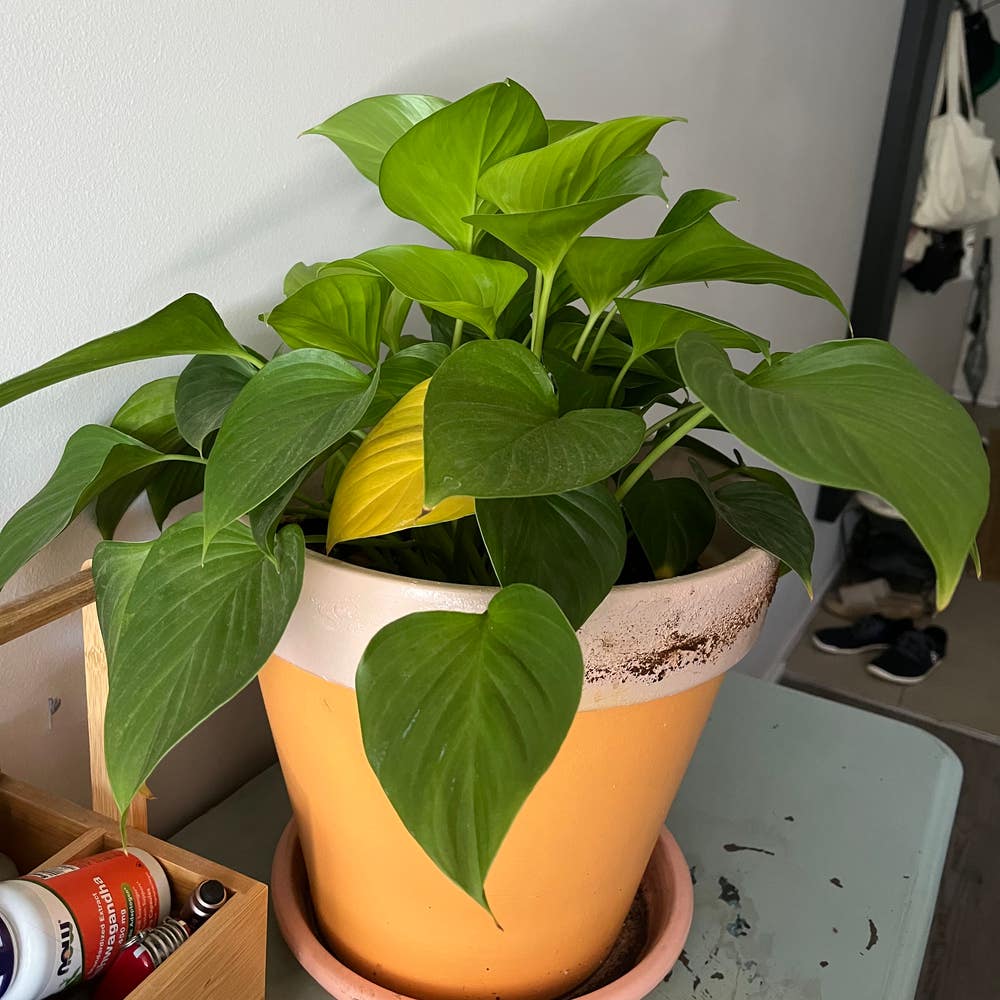
Why Are There Black Spots on My Homalomena Maggy Leaves?
Homalomena rubescens ‘Maggy’
By the Greg Editorial Team
Jun 18, 2024•3 min read
This article was created with the help of AI so we can cover more plants for you. May contain errors. See one? Report it here.
- Black spots indicate issues; spot texture and color help diagnose the problem.
- Environmental control is crucial for preventing fungal and bacterial growth.
- Regular monitoring and nutrition are essential for Homalomena Maggy health.
Section

Playing Detective: Diagnosing Black Spots
🔍 Visual Clues and What They Tell You
Black spots on Homalomena Maggy leaves are not just blemishes; they're evidence. A spot's texture—whether it's raised, sunken, or slimy—can hint at its cause. The color is another tell; black, brown, or with a yellow halo, each suggests a different issue. Spots on the undersides of leaves are particularly sneaky, so make flipping them part of your routine.
Assessing the Scene
Soil moisture and light exposure are the usual suspects in plant health mysteries. If the soil feels like a wrung-out sponge, you're overwatering. If it's as dry as a stand-up comedian's wit, you're underwatering. Light levels should be just right, not a tanning bed session for your plant. Evaluate air circulation; stagnant air is a party invitation for fungal and bacterial villains. Temperature should be as consistent as your morning coffee routine—no sudden chills or heat waves.

The Treatment Plan: Battling Black Spots
🍄 Fungicide to the Rescue
Choosing the right fungicide is crucial in the fight against fungal foes. Copper-based fungicides are often recommended for their broad-spectrum efficacy. However, it's essential to read the label carefully for specific application instructions and safety precautions.
When applying fungicides, coverage is key. Ensure you treat every part of the plant, including the underside of leaves. A thorough application can mean the difference between a quick recovery and a lingering problem.
🦠 Bacteria Busters
For bacterial infections, the approach shifts. Copper compounds and targeted bactericides are your go-to solutions. Timing is critical; apply at the first sign of infection to prevent spread.
Sanitation is also part of the bacteria-busting strategy. Clean your tools with alcohol or bleach solution after pruning to avoid cross-contamination. It's a simple step, but it's as vital as washing your hands after sneezing.
🌿 Environmental Adjustments
Lastly, don't overlook the power of environmental adjustments. Overcrowding can create a haven for pathogens, so give your Homalomena Maggy some breathing room. Ensure good air circulation and consider adjusting watering habits to keep the soil from staying wet for too long.
Temperature control can also play a role. Extreme heat or cold can stress plants, making them more susceptible to diseases. Strive for a stable environment where your Homalomena Maggy can thrive without the added stress of fluctuating temperatures.

Keeping Spots at Bay: Prevention Strategies
🌱 Cultural Practices
Cleanliness is paramount. Start by removing any dead or decaying foliage, as these can be hotbeds for pathogens. Sanitation isn't just for show; it's a critical defense mechanism for your Homalomena Maggy.
Watering must be judicious. Overwatering creates a playground for diseases. Ensure you're providing a gentle, consistent drizzle, not a deluge. Think of watering like a soft rain shower, not a storm.
🛡️ Proactive Plant Care
Regular monitoring is like having a good insurance policy. Early detection of any issues can save you from a world of black spot woes. It's about being a guardian, not a bystander.
Nutrition is about balance. Your Homalomena Maggy doesn't need a feast of fertilizer; it needs a well-measured diet to maintain robust health. Overfeeding is akin to an open invitation for trouble.
Keep your tools as sterile as a surgeon's scalpel. After each use, clean them to prevent any unseen threats from spreading. It's a simple step that speaks volumes in plant care.
Remember, prevention is about setting the stage for health, not just reacting to illness. It's the difference between being proactive and playing catch-up with your plant's well-being.
⚠️ Safety First
This content is for general information and may contain errors, omissions, or outdated details. It is not medical, veterinary advice, or an endorsement of therapeutic claims.
Always consult a qualified healthcare professional before using any plant as food, medicine, or supplement.
Never eat any plant (or feed one to pets) without confirming its identity with at least two trusted sources.
If you suspect poisoning, call Poison Control (800) 222-1222, the Pet Poison Helpline (800) 213-6680, or your local emergency service immediately.
Spotted an error? Please report it here.
Keep your Homalomena Maggy thriving 🌿 with Greg's tailored environmental monitoring and care reminders, ensuring black spots are a thing of the past.