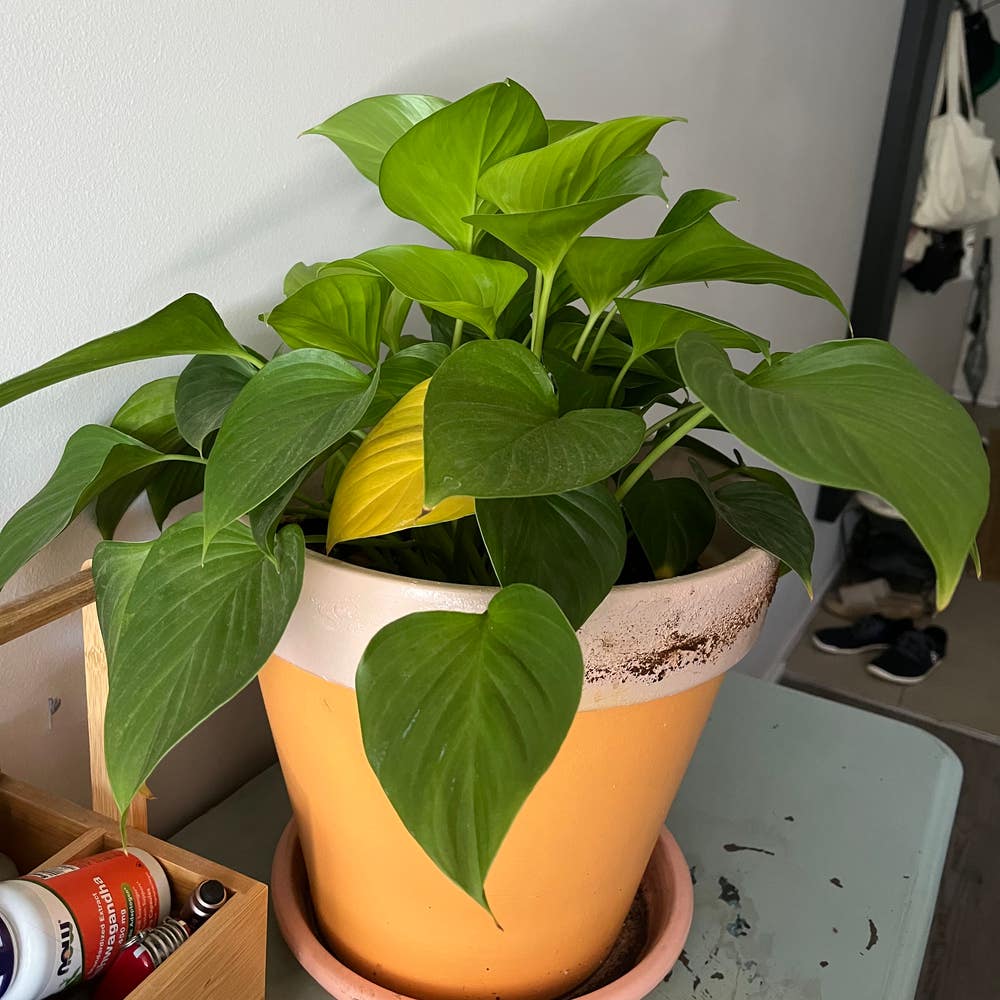
❤️ Ultimate Guide to Queen of Hearts Roots
Homalomena rubescens ‘Maggy’
By the Greg Editorial Team
Sep 30, 2024•6 min read
This article was created with the help of AI so we can cover more plants for you. May contain errors. See one? Report it here.
- 🌱 Queen of Hearts has fibrous roots for strong anchoring and nutrient absorption.
- 💧 Proper watering and well-draining soil prevent root rot and promote healthy growth.
- 🔍 Monitor root health regularly to avoid issues like root rot and stunted growth.
Root System Characteristics
🌱 Type of Root System
The Queen of Hearts features a fibrous root system, which is characterized by a network of thin, branching roots. This type of root system is excellent for anchoring the plant and maximizing nutrient absorption.
Fibrous roots differ significantly from taproot systems, which have a single, thick primary root. While taproots can reach deeper water sources, fibrous roots spread out widely, allowing for extensive nutrient uptake from the top layers of soil. However, this can also make them more susceptible to drought conditions.
🔍 Specific Characteristics
One of the standout features of fibrous roots is their extensive nutrient absorption capabilities. They can efficiently gather water and nutrients from a larger area, which is crucial for the plant's growth and health.
However, this root system's shallow yet wide-spreading nature makes it sensitive to overwatering. If the soil remains too wet, the roots can suffer, leading to potential health issues. Additionally, variations in root characteristics can be observed among common varieties of Queen of Hearts, which may affect their overall growth and resilience.
Understanding these root system characteristics is essential for proper care and maintenance. By recognizing the advantages and limitations of fibrous roots, you can better support your plant's health and vitality.
As we delve deeper into the topic, the next section will explore the typical root depth and spread of the Queen of Hearts, providing further insights into its growth patterns.
Root Depth and Spread
Typical Root Depth and Spread 🌱
The Queen of Hearts plant typically boasts a root depth of 6 to 12 inches. Its roots can spread impressively, extending up to 2 to 3 feet in diameter.
Growth Patterns 🌿
Lateral growth is a key feature of the Queen of Hearts' root system. This growth pattern enhances nutrient uptake, allowing the plant to thrive.
Seasonal growth patterns also play a crucial role in care. Understanding these cycles can help you provide the right support for your plant throughout the year.
By recognizing how deep and wide the roots grow, you can better tailor your watering and fertilizing practices. This knowledge sets the stage for a healthy, flourishing Queen of Hearts.
Next, let’s explore how the root system affects watering and fertilizing needs.
Watering and Fertilizing
🌱 How Root System Affects Watering Needs
The Queen of Hearts thrives in well-draining soil, which is crucial for preventing root rot. This plant's fibrous root system is sensitive to overwatering, so it's essential to monitor soil moisture closely.
Watering should be done every 1-2 weeks, adjusting based on how quickly the soil dries out. Always check the top inch of soil; if it feels dry, it’s time to water.
🌿 Fertilizing Techniques
Choosing the right fertilizer is key to supporting the growth of your Queen of Hearts. Look for balanced fertilizers that provide essential nutrients, promoting healthy root development.
A fertilization schedule of every 4-6 weeks during the growing season will keep your plant nourished. Balanced nutrients help ensure that roots can absorb what they need for robust growth.
Understanding these watering and fertilizing techniques will set you on the path to a thriving Queen of Hearts. Next, let’s explore best practices for transplanting and addressing any root issues that may arise.
Transplanting and Root Issues
Best Practices for Transplanting 🌱
Transplanting your Queen of Hearts is best done in spring or early summer. This timing allows the plant to acclimate and thrive in its new environment.
To ensure a successful transplant, follow these steps:
- Prepare the new pot with well-draining soil.
- Gently remove the plant, taking care not to damage the roots.
- Place the plant in the new pot and water it thoroughly.
These steps will help minimize stress on the plant and promote healthy growth.
Common Root-Related Issues 🐛
Overwatering is a common issue that can lead to serious problems. Symptoms include yellowing leaves and a soggy feel to the soil. To prevent this, always check the soil moisture before watering.
Root rot is another concern, often indicated by a foul smell and mushy roots. If you suspect root rot, act quickly by removing the plant from its pot and trimming away the affected roots. Repot in fresh, well-draining soil to give your plant a fighting chance.
Pests can also affect the roots, leading to stunted growth and other issues. Look for signs like wilting or discolored leaves. Organic control methods, such as neem oil, can effectively manage these pests without harming your plant.
Understanding these transplanting practices and root issues will empower you to keep your Queen of Hearts thriving. Next, we’ll explore how to recognize and address rootbound conditions to ensure your plant continues to flourish.
Root Health Indicators
👀 Visual Cues for Healthy Roots
Healthy roots are a sight to behold. They should appear white, firm, and spread out, indicating a robust root system ready to absorb nutrients.
The color and texture of roots are crucial indicators of their health. A vibrant, healthy root system supports overall plant vitality.
🚨 Signs of Unhealthy Roots
Unhealthy roots can be a plant's downfall. Look for brown, mushy, or foul-smelling roots, which signal serious issues that need immediate attention.
If you notice these signs, act quickly. Here’s what to do:
- Remove the plant from the pot.
- Trim away any damaged roots.
- Repot in fresh, well-draining soil to give your plant a fighting chance.
By keeping an eye on root health, you ensure your Queen of Hearts thrives. Healthy roots lead to a flourishing plant, so stay vigilant and proactive in your care.
Next, let’s explore how to recognize and address rootbound conditions, ensuring your plant continues to grow beautifully.
Recognizing and Addressing Rootbound Conditions
Definition and Recognition 🌱
Rootbound conditions occur when a plant's roots grow too densely within its pot, leading to a lack of space for further growth. This can manifest as circling roots that wrap around the pot, often resulting in stunted growth and poor overall health.
Signs of Rootbound Conditions 🔍
Look for specific indicators that your plant may be rootbound. Common signs include:
- Circling Roots: Roots visibly coiling around the pot's interior.
- Stunted Growth: Noticeable slowing in growth or a lack of new leaves.
When and How to Address ⏰
Timing is crucial for addressing rootbound conditions. If you notice growth slowing or roots emerging from drainage holes, it’s time to intervene.
Steps to Alleviate Rootbound Conditions 🛠️
Follow these steps to help your plant thrive again:
- Gently Remove the Plant: Carefully take the plant out of its pot, avoiding damage to the roots.
- Loosen the Roots: Gently separate the roots, trimming any that are excessively tangled or damaged.
- Repot in a Larger Container: Choose a new pot that offers more space and fill it with fresh, well-draining soil.
By recognizing and addressing rootbound conditions promptly, you can ensure your Queen of Hearts continues to flourish. Understanding these signs and taking action can make all the difference in maintaining a healthy plant.
Next, we’ll explore root health indicators to help you assess your plant's well-being.
⚠️ Safety First
This content is for general information and may contain errors, omissions, or outdated details. It is not medical, veterinary advice, or an endorsement of therapeutic claims.
Always consult a qualified healthcare professional before using any plant as food, medicine, or supplement.
Never eat any plant (or feed one to pets) without confirming its identity with at least two trusted sources.
If you suspect poisoning, call Poison Control (800) 222-1222, the Pet Poison Helpline (800) 213-6680, or your local emergency service immediately.
Spotted an error? Please report it here.
Nurture your Queen of Hearts with tailored watering reminders 🌿 from Greg, ensuring her roots stay healthy and vibrant for a flourishing plant!