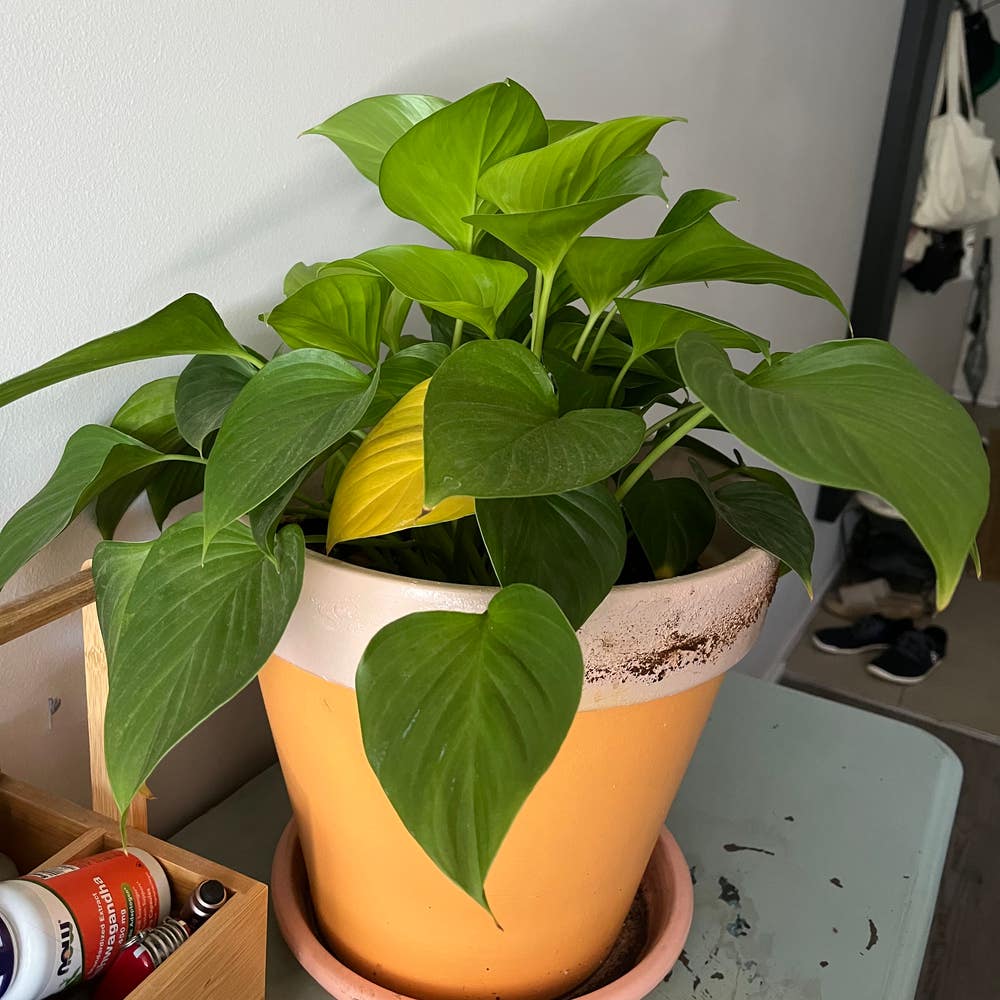
Homalomena Maggy Fertilizer: How and When to Use It
Homalomena rubescens ‘Maggy’
By the Greg Editorial Team
Jun 18, 2024•5 min read
This article was created with the help of AI so we can cover more plants for you. May contain errors. See one? Report it here.
- NPK ratios are key: Nitrogen for leaves, phosphorus for roots/blooms, potassium for health.
- Fertilize in growing season: Every 2-4 weeks in spring/summer, less in winter.
- Over-fertilization harms: Watch for yellow leaves, white crust, and adjust care as needed.
Picking the Perfect Fertilizer for Your Homalomena Maggy
💡 Understanding NPK Ratios
NPK ratios are like a secret code to your Homalomena Maggy's health. Nitrogen (N) is for lush leaves, Phosphorus (P) for strong roots and blooms, and Potassium (K) for overall plant mojo. A balanced ratio, say 10-10-10, is a solid starting point. But don't snooze on the micronutrients; they're the unsung heroes in this tale of growth.
🍽️ Liquid vs. Granular Fertilizers
Liquid fertilizers are the fast food of plant nutrition—quick and effective. They're great for a rapid green-up but demand a steady hand to avoid overdose. Granular fertilizers, on the other hand, are the slow cookers, releasing nutrients over time, minimizing the risk of over-application. For Homalomena Maggy, it's about choosing between a sprint and a marathon.
🌱 Organic Options
Going organic isn't just a fad—it's about playing the long game with your Homalomena Maggy. Organic fertilizers are like a gourmet meal, nurturing the soil and your plant. They release nutrients slowly, reducing the risk of harm, and they're packed with natural goodness. Plus, you're giving back to Mother Earth, and she keeps the score.

Timing is Everything: When to Fertilize
🌱 Growing Season Guidelines
Spring and summer are prime time for your Homalomena Maggy. It's when your green buddy is all about growth, pushing out new leaves like there's no tomorrow. Fertilize every two to four weeks during these seasons. It's like giving your plant a consistent pep talk, urging it to reach its full leafy potential.
What to Do During Dormancy
Come fall, your Homalomena Maggy starts to slow its roll. It's prepping for a chill winter, not unlike us bundling up and binge-watching our favorite shows. Ease up on the fertilizer about 8 weeks before the first frost hits. During winter, it's more about maintenance than growth, so a light touch with the fertilizer will do. Think of it as keeping the pilot light on without cranking up the heat.

Fertilizing Like a Pro
💡 Step-by-Step Fertilization Process
Fertilizing your Homalomena Maggy shouldn't be a stab in the dark. Start with soil testing to understand what your plant craves. Once you've got the green light on nutrient needs, it's time to get down to business.
- Choose your weapon: a balanced liquid fertilizer is your best bet.
- Mix it up: dilute the fertilizer to half the strength recommended on the package.
- Timing is crucial: fertilize during the watering cycle to avoid root shock.
- Aim low: apply the solution directly to the soil to avoid leaf burn.
- Clean sweep: after fertilizing, clear any spills to prevent salt buildup.
💡 Dosage Matters
When it comes to fertilizer, less is often more. Overzealous dosing can lead to a nutrient overdose, leaving your Homalomena Maggy with the plant equivalent of a hangover. Stick to a monthly schedule and observe your plant's reaction to adjust the dosage if necessary. Remember, you can always add more, but you can't take it back once it's in the pot.

Recognizing and Fixing Over-Fertilization
🚨 Spotting the Telltale Signs
Over-fertilization can turn your Homalomena Maggy's cozy soil into a toxic wasteland. Keep an eye out for a white crust on the soil surface, which signals a buildup of minerals. Yellowing leaves, stunted growth, and damaged roots are the plant's cry for help. It's crucial to distinguish these symptoms from overwatering, which takes longer to manifest.
🛠️ Damage Control
If you've been heavy-handed with the fertilizer, it's time for damage control. Remove any visible fertilizer from the soil's surface. Next, flush the soil with water several times over a few days to leach out excess salts. This is like hitting the reset button for your plant's root environment. Trim away any damaged foliage to prevent further stress. Before you even think about fertilizing again, give your plant a few weeks to bounce back and show signs of recovery. Remember, it's not about how much you feed, but how well you feed.
Boosting Blooms with Fertilizer
💐 Adjusting for Flower Power
To encourage blooming in your Homalomena Maggy, a shift in fertilization is key. During the growing season, opt for a balanced fertilizer and consider a half-strength application. This promotes flowers over foliage.
Ease up on fertilization post-bloom. A monthly application of a balanced houseplant feed will maintain plant health without overdoing it.
📅 Fertilizing Schedule to Enhance Blooming
A monthly dose of a balanced liquid fertilizer, diluted to half strength, can be your Homalomena Maggy's best friend. But watch for feedback—over-fertilization is a real risk.
As cooler weather approaches, reduce fertilization frequency to help your plant transition into dormancy with ease.
🌱 Proper Fertilizer Application Techniques
Apply fertilizer with a light hand. If you're using foliar feeding, ensure the correct dilution to avoid damage. Keep fertilizer away from blooms to prevent burn.
🌸 Phosphorus: The Blooming Booster
Before the blooming period, tweak your fertilizer mix to be rich in phosphorus. This nutrient is like a backstage pass for your plant, setting it up for a spectacular floral show.
⚠️ Safety First
This content is for general information and may contain errors, omissions, or outdated details. It is not medical, veterinary advice, or an endorsement of therapeutic claims.
Always consult a qualified healthcare professional before using any plant as food, medicine, or supplement.
Never eat any plant (or feed one to pets) without confirming its identity with at least two trusted sources.
If you suspect poisoning, call Poison Control (800) 222-1222, the Pet Poison Helpline (800) 213-6680, or your local emergency service immediately.
Spotted an error? Please report it here.
Ensure your Homalomena Maggy flourishes with customized fertilization reminders ⏲ from Greg, tailored to your plant's unique needs and the seasons!