How Do I Cure Homalomena Maggy Root Rot?
Homalomena rubescens ‘Maggy’
By the Greg Editorial Team
Jun 18, 2024•3 min read
This article was created with the help of AI so we can cover more plants for you. May contain errors. See one? Report it here.
- Yellow leaves and foul odors signal Homalomena Maggy root rot.
- Prune rotten roots with sterilized tools for recovery.
- Repot with well-draining soil and monitor watering to prevent recurrence.
Spotting Trouble: Signs Your Homalomena Maggy Has Root Rot
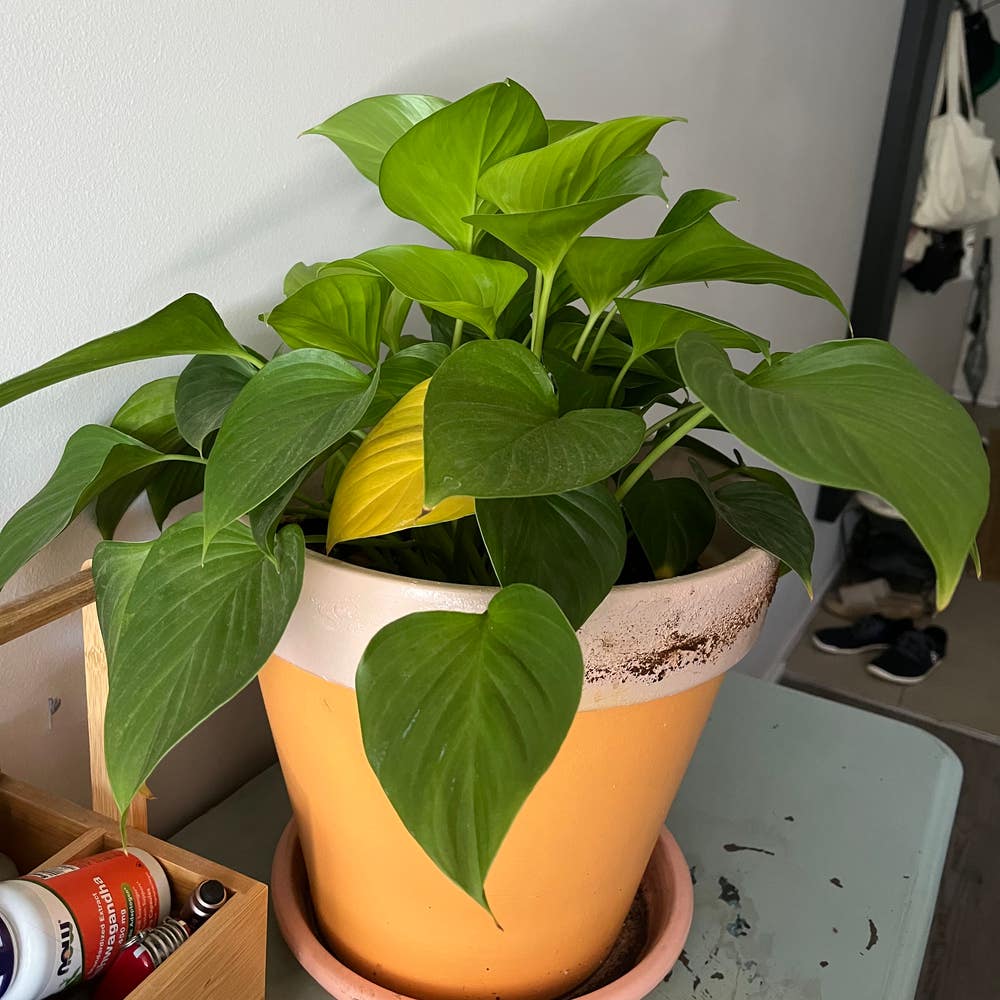
🚨 Yellow Alert: Discolored Leaves and Other Tell-tale Signs
It's yellow flag time when your Homalomena Maggy's leaves start to look sickly. Yellowing leaves, wilting, and stunted growth are your plant's way of saying, "I'm not okay."
Don't brush off these symptoms as mere plant puberty; they're distress signals. Discoloration isn't a fashion statement—it's a cry for help.
👃 Sniff Test: When Your Plant's Base Smells Like Trouble
If your Homalomena Maggy's base smells like last week's forgotten gym socks, root rot may be the culprit. Foul odors and mushy roots are the equivalent of an SOS flare.
When the soil's aroma turns from earthy to swampy, it's time to play plant detective. Ignore the dry topsoil's false reassurances—the real trouble is partying down below.

Root Rot Rehab: Saving Your Homalomena Maggy
🌱 The Root of the Problem: Assessing the Damage
Root rot in your Homalomena Maggy isn't a death sentence. First step: gently remove the plant from its pot. Inspect the roots. Healthy ones are firm, while rotten ones are squishy and brown.
🌿 Clean Cut: Pruning the Rot Away
Time to play plant surgeon. Sterilize your scissors or shears—cleanliness is crucial. Snip away the mushy, rotten roots. Be thorough but gentle; you're on a rescue mission, not a demolition job.

Aftercare: Nursing Your Plant Back to Health
💧 The Thirst Quench: Watering Without Drowning
Watering your Homalomena Maggy post-root rot is like defusing a bomb; precision is key. Overwatering is the enemy. Use the finger test—plunge it an inch deep into the soil. If dry, water; if damp, wait. Always water until it drains out the bottom, then stop. No guesswork, just vigilance.
🌱 Home Sweet Home: Repotting with Care
When repotting, think of it as a plant reset. Choose a well-draining pot and fresh soil that's like a breath of fresh air for the roots. Ensure the pot is cozy, not cramped. Water to settle the soil, but don't create a mud bath. The goal is to avoid root rot's return, so be stingy with the H2O at first.

Keeping It Dry: Preventing Root Rot in the Future
💧 Water Wisdom: Perfecting Your Pour
Watering is more art than science, and getting it right is crucial for your Homalomena Maggy's survival. Drainage holes are non-negotiable; they're your first line of defense against waterlogging.
Adopt a "soak and dry" method. Water your plant thoroughly, then give it a break until the soil is nearly dry. This mimics the feast and famine of natural rainfall, encouraging robust root growth.
🌱 Soil Savvy: Creating the Ideal Environment
Your soil mix is the unsung hero in this tale of root rot prevention. Aim for a well-draining blend that still holds onto just enough moisture—think of it as the plant equivalent of a breathable workout shirt.
Mix in peat, perlite, and vermiculite to keep the soil light and airy. It should drain quickly, but not so fast that your plant's roots are left gasping for water.
🍂 Seasonal Adjustments
Be mindful of the seasons. When it's colder, your Homalomena Maggy will drink less. Reduce your watering frequency to match your plant's reduced thirst.
🛠 Utilizing Tools
Don't shy away from using a soil probe or moisture meter. They're not just for show; they provide valuable insights into your soil's moisture levels, helping you water with precision.
Remember, preventing root rot isn't just about following a set of instructions. It's about observing, adjusting, and understanding the unique needs of your Homalomena Maggy.
⚠️ Safety First
This content is for general information and may contain errors, omissions, or outdated details. It is not medical, veterinary advice, or an endorsement of therapeutic claims.
Always consult a qualified healthcare professional before using any plant as food, medicine, or supplement.
Never eat any plant (or feed one to pets) without confirming its identity with at least two trusted sources.
If you suspect poisoning, call Poison Control (800) 222-1222, the Pet Poison Helpline (800) 213-6680, or your local emergency service immediately.
Spotted an error? Please report it here.
Banish root rot and foster a thriving Homalomena Maggy with precision care 🌱, bolstered by Greg's tailored watering reminders that keep your green friends happy and healthy.